

In 2021 I was exactly where you might be right now, searching for a way to build something of my own from home, without leaving my children, without a big investment, and without anyone handing me a roadmap.
I had skills. I had time, sort of between nap times and school runs.
What I didn’t have was a clear starting point.
That’s exactly what this guide is.
Not a generic list of tips you could find anywhere.
A real step-by-step breakdown of what I did, what I’d do differently, and what I know for certain works for women who want to start an online business from home in 2026.
Maybe you’ve watched women on YouTube talk about their online income and thought.
Okay, but how do they actually do that?
Maybe you’ve typed “how to start an online business” into Google late at night and closed the tab feeling more overwhelmed than when you opened it.
I’ve been there, and I want to tell you something important before we get into the steps.
Starting an online business is not complicated.
It has been made to feel complicated by people who want to sell you expensive courses, software, and tools before you’ve even gotten started.
The truth is that the basics, the actual foundational steps that move you from “thinking about it” to “doing it,” are simple, inexpensive, and completely within your reach right now.
This post is your step-by-step roadmap.
I’m walking you through everything from choosing your business idea to setting up your website to landing your very first client.
By the end of this guide, you’ll have a clear, honest plan and the confidence to actually use it.
Let’s start from the beginning.
The Ideal Moment to Start an Online Business From Home
Let me give you some real context before we proceed to the how.
There has genuinely never been a better time in history for a woman to start a business from home.
I’m not just saying that to warm you up.
The conditions right now are objectively different from what they were even five years ago.
First, the tools have become remarkably accessible.
Platforms like Canva, Shopify, WordPress, and Wix have removed the need for designers and developers.
A woman with zero tech experience can build a professional-looking website in a weekend.
Free scheduling tools, free design platforms, free email marketing tools.
The infrastructure that used to require thousands of dollars is now available for free or close to it.
Second, remote work has completely normalized online business.
Clients who would have once insisted on in-person meetings now communicate entirely over email and Zoom without a second thought.
“Can I really run a business completely online?
That used to be a psychological barrier.
It has been answered loudly and collectively: yes.
Third, buyers trust online sellers more than ever before.
The pandemic has stepped up the adoption of e-commerce by years.
Consumers are now comfortable discovering brands on Instagram, buying digital products from strangers on Etsy, and hiring service providers they’ve never met in person.
Your geography, your city, and even your country are no longer limitations.
And fourth, this one matters specifically for women.
The conversation around women’s entrepreneurship has shifted enormously.
There are communities, mentors, platforms, and audiences specifically looking for content and services from women, created for women.
That is a market that didn’t exist at this scale even a decade ago.
The timing is right.
The tools are ready.
The only piece that’s missing is you deciding to start.
The 6 Most Profitable Online Business Models for Women
Before you set up a website or write a pitch, you need to make one decision clearly.
What kind of business are you actually starting?
Here are the 6 models that work best for women starting from home, especially without a big budget or years of professional experience.
Freelance services—writing, graphic design, virtual assistance, social media management, translation, and video editing. You offer your time and skills to clients. The fastest way to earn income.
Coaching or consulting — you guide people toward a specific result in an area where you have experience. Parenting, career, health, business, relationships, productivity. High income potential. No certification required to start.
Digital products—ebooks, downloadable templates, printed materials, Canva templates, tutorials, and manuals for work. You create once and sell repeatedly. Best for generating passive income as your audience grows.
Blogging with affiliate-based marketing is simple—you write articles about a niche topic, get traffic from search engines like Google and Pinterest, and earn commissions by promoting brands you believe in. Slower to start, powerful long-term.
E-commerce — selling physical or print-on-demand products online through Etsy, Shopify, or your own site. Good for women who love creating tangible things.
Content creation with brand partnerships — building an audience on YouTube, Instagram, or TikTok and earning through sponsorships, brand deals, and your own products. Slower build, but high ceiling.
Which one is right for you?
Answer these two questions honestly.
First of all, do you need an income in the coming 60 working days?
If yes, go with freelance services or coaching.
They don’t require a product, a following, or months of build time.
Second, are you okay waiting 6 to 12 months for income in exchange for something more passive?
If yes, digital products or blogging might be your game.
Many women start with services for immediate income and layer in digital products or blogging within 6 months.
That combination is one of the most stable online income setups you can build.
READ MORE— 12 In-Demand Skills to Attract Business Opportunities You Can Start Today in 2026
How To Launch Your Website In A Weekend (Without Tech Expertise)
This is where most women get stuck in all-out perfection or try to move too quickly.
Both are traps.
Your website does not need to be perfect before you launch.
It has to be clear, useful, and trustworthy.
Proceed with 3 pages.
A welcome page
A detailed information page
A list of services or merchandise pages.
That is it.
Here’s how to get it done over one weekend, step by step.
Saturday morning: choose your platform and hosting
For service-based businesses and blogs, WordPress on Bluehost is the most widely recommended combination for beginners.
Bluehost hosting starts at around $3 a month and comes with a free domain name for the first year.
WordPress is free and gives you complete control over your site’s SEO, which matters enormously as you grow.
If the idea of WordPress feels overwhelming, Wix is a genuine alternative.
It’s simpler to use, has beautiful drag-and-drop templates, and is perfectly functional for a starting website.
Slightly less powerful for SEO, but more than adequate when you’re beginning.
For digital product sellers, Shopify ($29/month) is the strongest e-commerce option.
For a simpler digital products setup, Gumroad and Payhip both have free plans and are ready to use within an hour.
Saturday afternoon: choose your domain name
Your domain should ideally be your name or your business name, and it should be simple and easy to spell.
Keep it short.
Avoid hyphens.
Check if it is also available on social media platforms.
Consistent handles on your site and social media make your brand easier to find and remember.
Saturday evening and Sunday: build your three pages
Your home page should answer three questions within 5 seconds of someone clicking on it:
Who are you?
Who do you help?
What is the next logical protocol that you want these types of people to do?
Don’t overcrowd it.
A clean headline and a simple intro paragraph, a high-quality professional photo of you (your phone camera is fine), and a visible button pointing to your services page or a contact form are fine.
Your About Us in your website page is more than a bio
It’s where you build trust.
Talk about your background, yes, but more importantly, talk about why you do what you do and who you specifically help.
Make the reader feel like you understand their situation.
Your Services or Products page is where you list what you offer, what’s included, and how someone hires or buys from you.
Be clear about pricing if you can.
It saves everyone time and tends to attract more serious inquiries.
Pro Tip: Don’t spend money on a logo before you have clients. Canva has free logo tools that produce professional results. Pour your energy into your message and your offer, not your visual branding. You can invest in design once you’re earning.
READ MORE – How to Start a Profitable T-Shirt Business from Home in 2026
Getting Your Very First Client Without a Big Following
It’s a crucial point that most online business recommendations completely ignore.
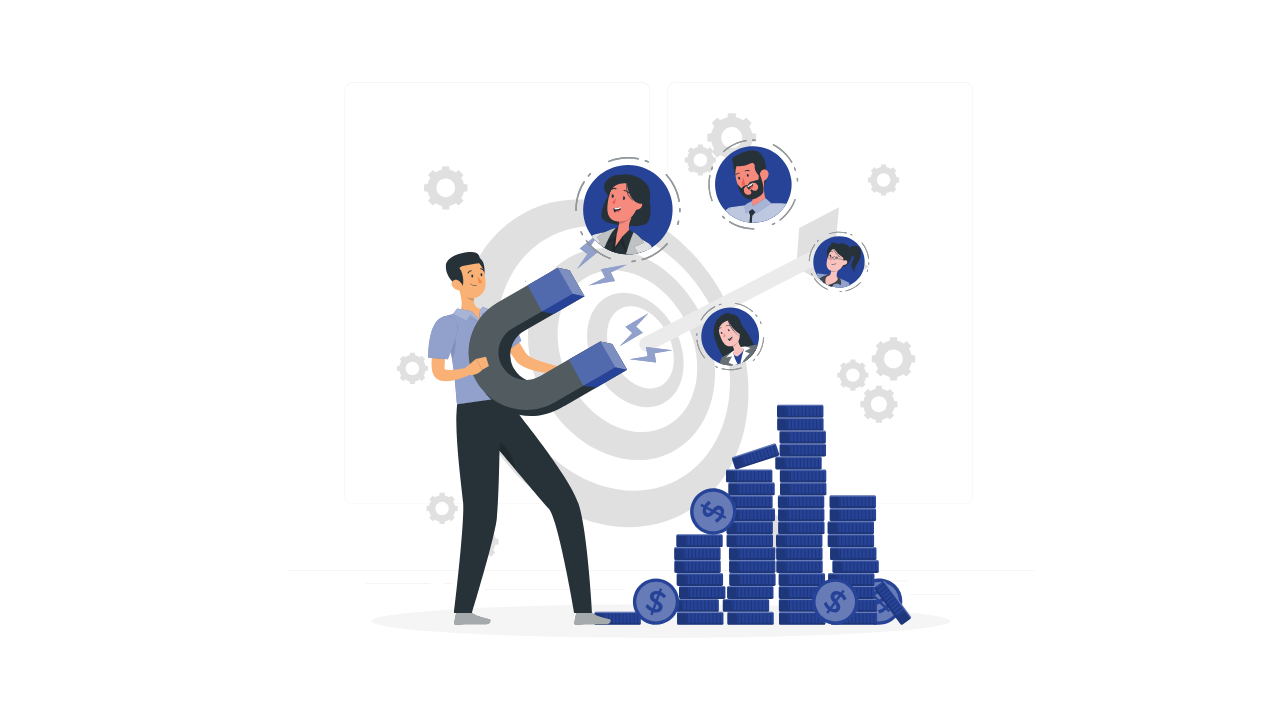
You don’t need 10,000 people following you to get your ideal client.
You don’t even need 1,000. You need to put your offer in front of the right 10 people.
That’s a more exact and much less terrifying number to work with.
This is the exact way to attract your first client for your type of business.
If you’re offering a service (writing, VA, social media management, design):
Start with warm outreach.
That means reaching out to people you already know, former colleagues, friends who run small businesses, family members with shops, and people in your existing social media network.
Let them know what you’re offering.
You’d be genuinely surprised how many first clients come from someone a person already knew.
Then move to cold outreach.
All you do is find 10-20 businesses in your niche that need your service (they haven’t updated their Instagram in 3 months, their website copy is confusing, etc.) and send them a short, personalized message offering to help.
Not a copy-paste pitch.
A specific note that shows you actually looked at their business.
Also join Facebook groups for small business owners, entrepreneurs, and online business communities.
People post requests for help constantly in these groups.
Show up, be helpful, and let your expertise speak naturally.
If you’re selling digital products:
Your first sale will most likely come from social media, specifically Pinterest and Instagram.
Pinterest is a search engine, which means people are already looking for what you’re selling.
Create 5 to 10 Pinterest pins linking to your product and post them consistently.
Also share your product in relevant Facebook groups and email it directly to anyone in your network who might genuinely benefit from it.
If you’re starting a coaching business:
Offer 3 free discovery sessions to people who fit your ideal client description.
This is not giving away your value.
It’s building evidence, testimonials, and confidence in your own offer.
After those 3 sessions, you’ll know exactly what your clients need and how to talk about your services, and you’ll have real results to reference when you start charging.
The common thread in all of these?
Personal outreach beats passive waiting every single time, especially in the beginning.
Don’t post once on Instagram and wait.
Go find the people who need what you offer and talk to them directly.
READ MORE – Online Jobs vs. Online Businesses: Which Is Better for Your Financial Future?
Your 30-Day Month One Action Checklist
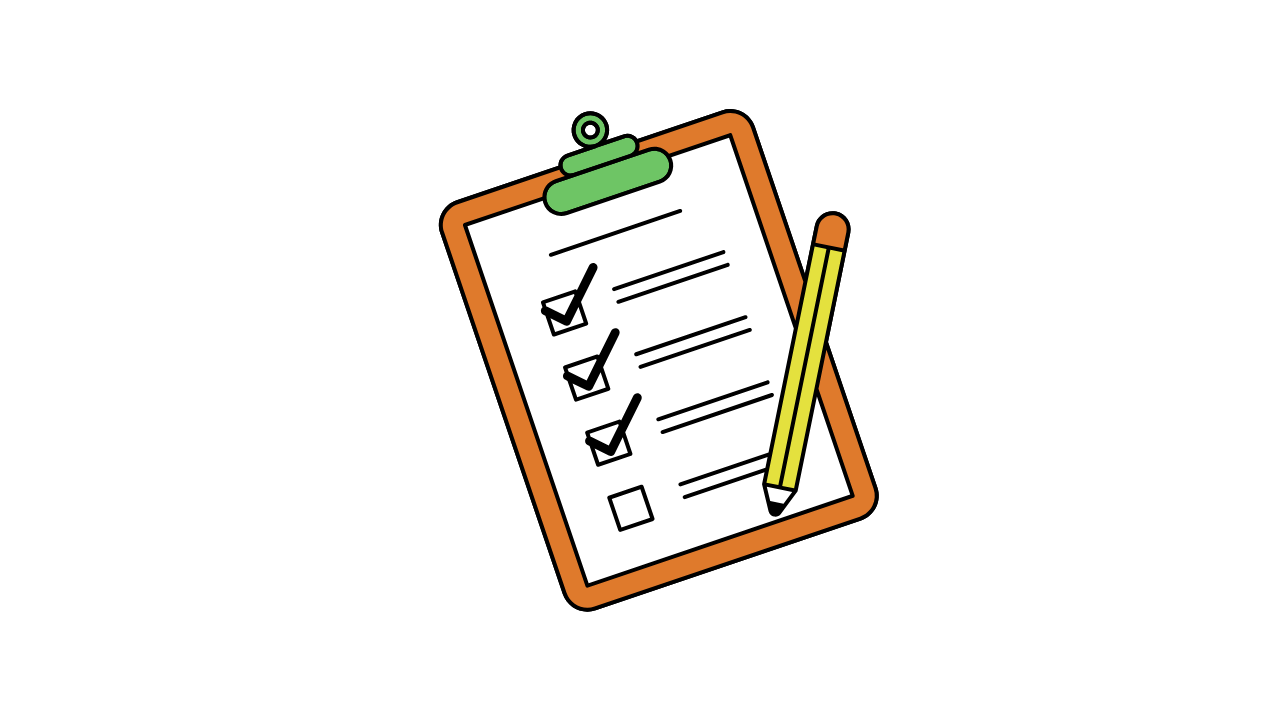
This is where we tie everything together.
No more planning.
Just a clear, specific action for every week of your first month.
Week 1 — Decide and Set Up
- Choose your business model from the 6 options above
- Decide on your niche and who you specifically serve
- Create your own personal brand message:
“I help a [specific person] achieve a [specific result] by following [your method].”
- Choose and register your domain name
- Set up your website platform (WordPress, Wix, or Shopify)
- Create a free Canva account and design a simple logo placeholder
Week 2 — Build Your Foundation
- Write and publish your homepage
- Write and publish your About page
- Write and publish your Services or Products page
- You can also get a professional email address with your domain (yourname@yourdomain.com)
- Create your first social media profile on ONE platform, whichever your ideal client uses most
- Write your bio for that platform with your brand statement included
Week 3 — Build Your Offer and Your First Content
- Write out exactly what your service or product includes, at what price, and how someone buys or books with you
- For service providers: create a simple PDF or Canva one-pager describing your services
- For digital product sellers: create your first product and list it on Etsy or Gumroad
- For coaches: finalize your discovery call structure and book the first 3 free sessions
- Publish your first piece of content: a blog post, an Instagram post or a Pinterest pin that solves your ideal client’s biggest problem
Week 4 — Go Get Your First Client
- Write a list of 20 potential clients or businesses who could potentially gain something from what you deliver.
- Send 5 personalized outreach messages per day, warm contacts first, then cold
- Join 3 Facebook groups where your ideal clients spend time and start contributing genuinely helpful answers (not pitching, just helping)
- Follow up with anyone who showed interest earlier in the month
- Celebrate every single small win: a reply, a click, a saved pin, a discovery call booked. They all count. They’re all about momentum.
READ MORE – How to Start Smart & Build a Business That Does It All (The Multi-Passionate Businesswoman’s Blueprint)
Frequently Asked Questions About Starting an Online Business From Home
How much money do I actually need to start an online business from home?
For a service-based business.
Writing, VA work, or coaching
You can start for under $20.
A domain and basic hosting are $3 to $5/month.
Everything else (Canva, Zoom, and Google Workspace basics) has a free tier.
Add a couple of dollars for product listing fees for a digital product business.
For blogging, budget around $100 to $150 for your first full year.
E-commerce and Shopify have higher starting costs, around $50 to $100/month, but are still far lower than any traditional business.
Do I need to register my business legally before I start?
For most beginners, the answer is no, not immediately.
Start serving clients or selling products first.
Once you’re earning consistently, look into registering a sole proprietorship or small business in your country.
In Pakistan, for example, you can operate as a freelancer without formal registration until your income reaches a point where formalizing makes tax and banking sense.
Always check the latest rules and regulations in your zone.
Can I get started even if I don’t have a niche yet?
Yes.
Start with what you know and let your niche find you.
Many of the most successful online business owners discovered their true niche after a few months of working with real clients and noticing patterns in who they enjoyed helping most.
Stop waiting for perfection and start moving, and the clarity will show up.
How do I handle payment from international clients?
PayPal, Wise (formerly TransferWise), and Payoneer are the three most widely used options for women in Pakistan and other countries receiving international payments.
Wise typically has the lowest fees and best exchange rates.
Payoneer is popular on freelance platforms like Upwork.
Set up at least one of these before you start pitching international clients.
Can I build an online business while working a full-time job or managing a household?
Yes, and most women do exactly that in the beginning.
10 to 15 focused hours per week is enough to build a real foundation in your first 3 months.
Early mornings, nap times, and evenings after the household settles.
Your business can grow in the margins of your current life until it’s big enough to expand into.
How long before my online business is actually profitable?
Freelance and VA businesses can become profitable within 30 to 60 days.
Coaching within 60 to 90 days.
Digital products typically within 6 to 12 months once you have consistent traffic.
Blogging takes the longest, usually 12 to 18 months before meaningful income is generated.
Set your expectations based on the model you choose, not based on the most optimistic stories you’ve seen online.
READ MORE – How I Started My Affordable Web Design Business From Home
Here’s what I want you to sit with after you close this post.
One year from today, you will either be exactly where you are right now, still thinking about starting, or you will be running an online business you built from your home, with your own hands, on your own terms.
The difference that exists between those two standard versions of you is not a characteristic.
It’s not experience.
It’s not even time.
It’s the decision you make in the next 24 hours about whether you’re going to take one real step forward or let this be another saved blog post you come back to someday.
Take the step.
It doesn’t have to be big.
Register the domain.
Write the sample.
Send the first pitch.
Set up the Gumroad page.
Something real, today.
The version of you running that business a year from now started exactly where you are.
With the same doubts, the same questions, and the same amount of uncertainty.
She just decided to begin anyway.
Your turn.
Found this helpful?
Have questions? Drop your questions in the comments below! I read every one.
Thank you so much for reading! Share your opinions and perspectives in the comments below to increase the visibility of this article. Subscribe to She Speaks Business to get more stories like this one.
Best regards,
Fatima K.
Writer. Mother. Dream Builder. Founder.