Do you know that reading about online income is inspiring, but the real magic only happens when you actually start?
Most people spend months in the learning phase, consuming content, saving articles, watching tutorials, and planning the perfect launch that never comes.
They stay stuck not because they lack information, but because they keep waiting for more certainty before they take the first real step.
Here is the truth that 2026 has made clearer than ever: action matters far more than perfection.
The people who are building real online income right now are not necessarily the most talented or the most prepared.
They are the ones who started before they felt ready, improved as they went, and stayed consistent long enough for the results to arrive.
I learned this the slow way. I spent too long preparing and not long enough doing.
What changed everything was not a better strategy or a more profitable niche.
It was the decision to treat my online work like a real business rather than a hobby I picked up between other things.
A hobby brings pocket money.
A system creates financial freedom, and in this guide, I want to show you exactly how to build that system, starting from wherever you are right now.
Why Starting Your First Online Project Matters More Than Getting It Right
Before we get into the specific steps, I want to address the fear that keeps most people from starting at all: the fear of choosing the wrong thing.
Here is what I wish someone had told me earlier.
Your first online project does not need to be your final one.
It does not need to be perfect.
It does not even need to be the most profitable option available to you.
What it needs to be is real, meaning you actually do it, rather than something you plan indefinitely without ever launching.
The value of your first project is not primarily in the income it generates.
It is in what it teaches you about how the online world works, how clients or audiences think, what your strengths are, and where the real opportunities are for someone with your specific background and available time.
Every successful online business owner I know built something imperfect first and used what they learned from it to build something better second.
So if you have been waiting until you feel certain about your direction, I want to gently tell you that certainty is built through doing, not through more research.
Start something real, and let the experience teach you what no article can.
Here’s My Secret with a Step-by-Step Guide to Starting Your First Online Project in 2026.
Step 1: Build One Strong Income Pillar First
When I first started exploring online income, I made the classic beginner mistake.
I tried to run everything simultaneously: freelancing, affiliate marketing, digital products, AI tools, and coaching all at the same time.
I was not productive.
I was scattered, overwhelmed, and genuinely confused about why nothing seemed to be moving.
Each income stream was getting a fraction of the attention it needed, which meant none of them were developing fast enough to produce visible results.
The fix was simple but difficult to accept: choose one thing and give it everything you have until it works.
This is what building a strong income pillar actually means.
You pick one direction that fits your skills and available time, and you commit to becoming genuinely good at it before you add anything else.
If you are an AI content editor, you master editing and build recurring client relationships around it.
If you are a writer, you focus entirely on writing until you have steady work and a reputation you can build on.
If you want to sell digital products, you create one specific product, market it seriously, and refine it based on real feedback before expanding your catalog.
The reason this approach produces results is that depth of effort in one direction compounds.
Every hour you spend improving one skill makes the next hour more effective.
Every client relationship you build in one area sends more referrals your way.
Every piece of content you publish in one niche contributes to an authority that grows over time.
Spreading your attention across five half-developed income streams produces nothing that compounds.
Focusing deeply on one produces something real, and once that first pillar is stable and producing consistent income, adding a second one becomes significantly easier because you now understand how online income actually works.
Step 2: Create Repeat Income, Not Just One-Time Gigs
There is an important distinction that most beginners miss entirely, and it changes how fast you can build financial stability online.
One-time payments feel good in the moment, but they require you to find new clients or customers again and again just to maintain the same income level.
Repeat income, on the other hand, gives you a stable foundation that you can build from rather than constantly restart.
Repeat income in an online business can take many forms.
A monthly content editing package where a client pays you a fixed amount each month for an ongoing scope of work is repeat income.
A community management retainer where you manage a client’s social media presence month after month is repeat income.
A subscription-based digital product library where customers pay a monthly fee for continued access is repeat income.
An ongoing AI consultation arrangement where a business pays you regularly to help optimize their workflows is repeat income.
What these models have in common is that they remove the income uncertainty that makes the early phase of online work so psychologically difficult.
When a portion of your income is predictable every month, you can plan your time better, make longer-term decisions about skill development, and focus on quality rather than constantly hunting for the next sale.
As you build your first income pillar, actively look for ways to structure your work so that clients pay you regularly rather than project by project.
That shift in structure is often the difference between an online side hustle that feels precarious and an online business that actually feels sustainable.
Step 3: The Power of Small Clients in 2026
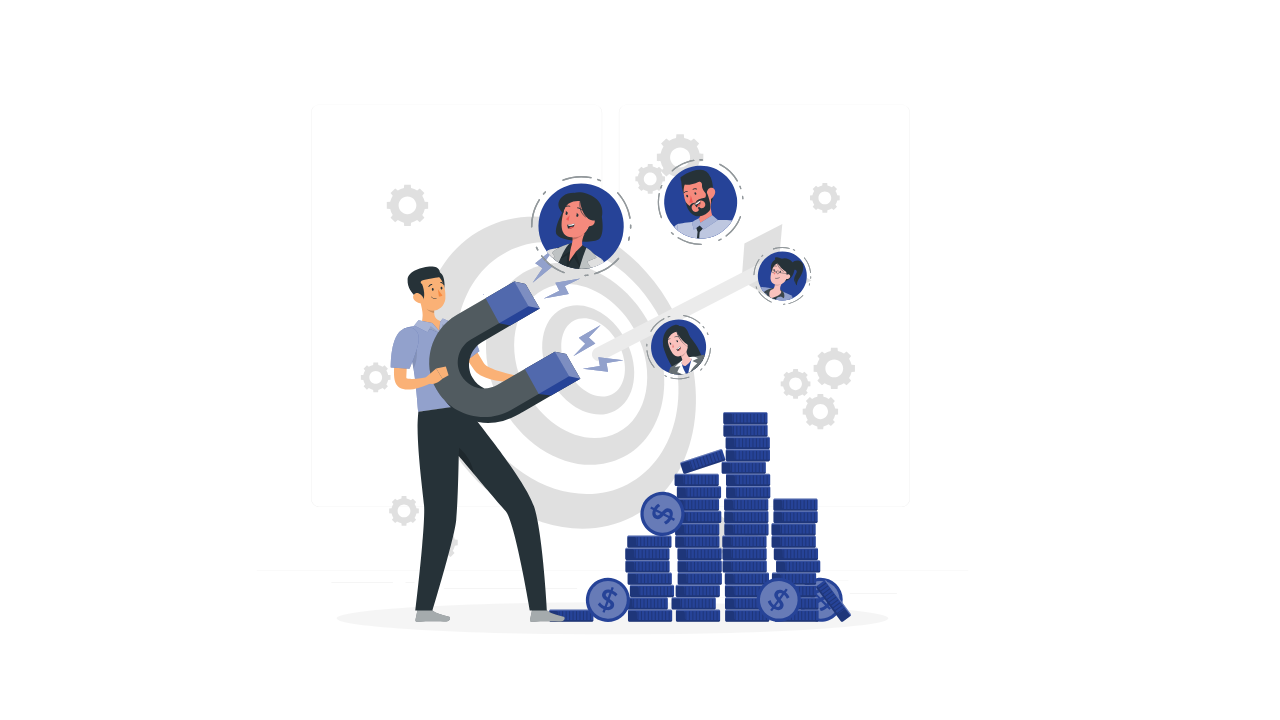
One of the most common misconceptions beginners carry into their first online project is that they need big brands and prestigious clients to succeed.
The reality is almost the opposite, and understanding this earlier would have saved me a significant amount of wasted effort chasing opportunities that were not actually the right fit for where I was starting.
Small online businesses, content creators, coaches, and consultants are the backbone of the digital economy in 2026.
They hire regularly, they communicate directly with the people they work with, they pay consistently without the delays that large corporate clients often introduce, and they grow alongside the professionals who serve them well.
A small business owner who finds a content writer, virtual assistant, or social media manager she genuinely trusts becomes a loyal, long-term client in a way that a large brand almost never does.
The math also works differently than most beginners assume.
Ten small clients each paying you $300 per month gives you $3,000 in stable, diversified monthly income.
One large client paying you $3,000 per month gives you the same amount but with far greater risk because if that single client ends the relationship for any reason, your income drops to zero instantly.
Building a small client base creates resilience that a single prestigious contract simply cannot provide.
Start by serving the clients you can realistically reach and genuinely help right now.
Build your reputation there, collect testimonials, and let the quality of your work create the referrals that bring bigger opportunities over time.
Building Your Digital Reputation (Even If You Are Behind the Scenes)
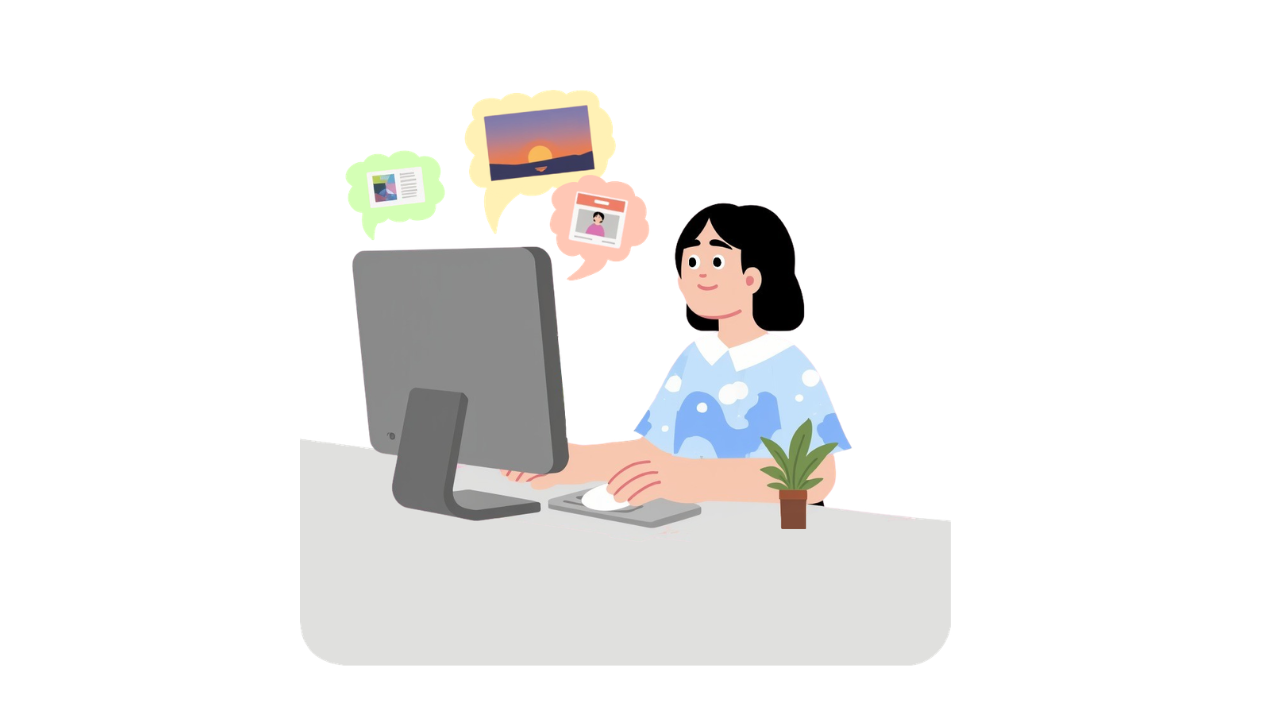
In 2026, your digital reputation matters more than your resume, your degree, or your professional history.
People who hire online are making decisions based on what they can see and verify, and that verification rarely involves formal credentials.
It involves reviews, results, and proof that someone has actually done the work they claim to do.
The good news is that you do not need to show your face, build a large social media following, or become any kind of public figure to develop a strong digital reputation.
Many of the highest-earning online professionals work entirely behind the scenes and have built their credibility through the quality of their work rather than the size of their personal brand.
What does build trust online is consistent, verifiable evidence of real results.
Client testimonials that speak specifically to what you delivered and how it helped.
Work samples that demonstrate your actual output at its best.
Before-and-after comparisons that show the tangible improvement your work produces.
Case studies that walk through a real project and explain what you did and why it worked.
Portfolio links that let potential clients see exactly what hiring you produces.
These forms of social proof compound over time in the same way that financial investments do.
Each positive review makes the next client more confident.
Each piece of portfolio work makes the next proposal more convincing.
Start collecting this evidence from your very first project, and treat it as an asset you are building alongside your skills.
Time Management for Busy Online Workers
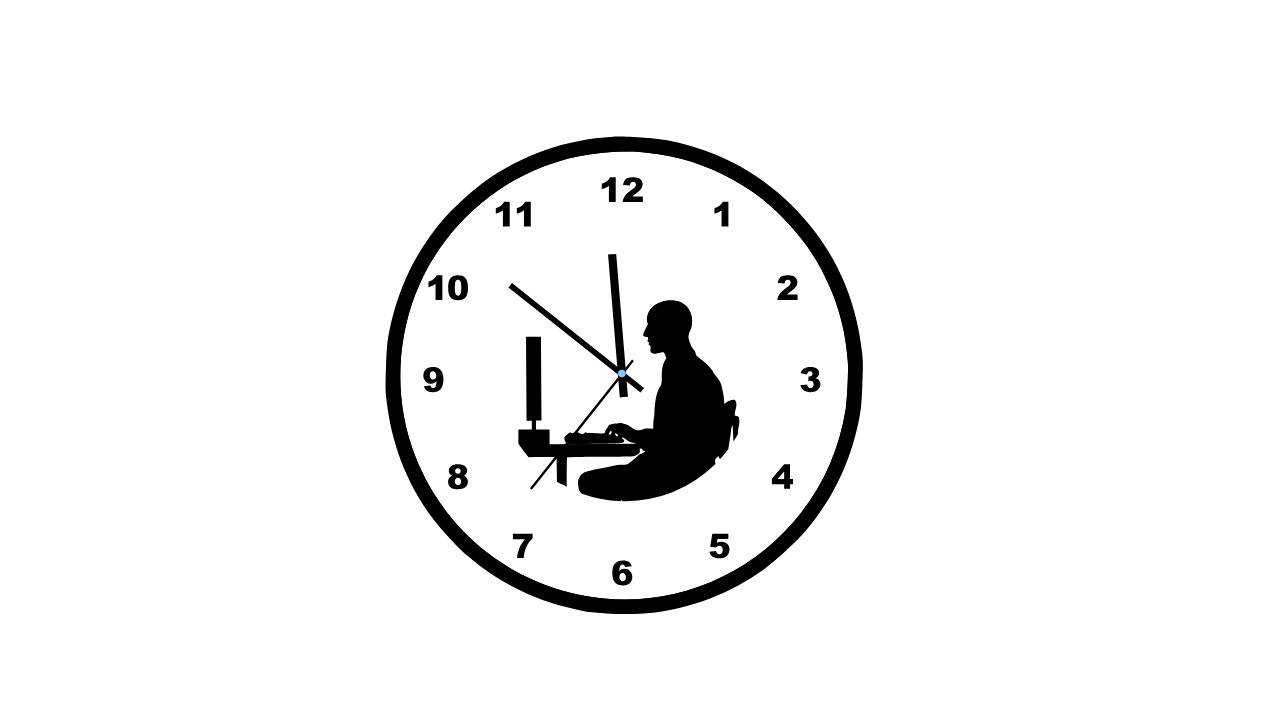
One of the most persistent myths about online income is that you need large, uninterrupted blocks of free time to build anything real.
Most people who believe this use it as a reason to wait, reasoning that they will start when their schedule opens up, their kids are older, or their job becomes less demanding.
That moment rarely comes on its own.
The honest reality is that most successful online businesses were built in the margins of already-busy lives.
Not in eight-hour dedicated sessions, but in 30-minute blocks before the household woke up, in the hour after children went to bed, in the focused gap between school drop-off and the first obligation of the day.
What matters is not how much total time you have but how consistently and intentionally you use the time you actually have.
A practical daily framework that many online workers use effectively looks something like this: 30 minutes dedicated to learning or skill development, 30 to 60 minutes of focused client work or content creation, and 15 minutes of outreach, posting, or relationship maintenance.
That is between one and two hours per day, which is achievable around almost any schedule if it is treated as a non-negotiable appointment rather than something you fit in when convenient.
The key shift is from treating online work as something you do when everything else is done to treating it as something scheduled into your day with the same respect as any other commitment.
That shift in priority is what separates the people who build momentum from those who keep saying they will start when things slow down.
The Emotional Reality of Online Work (The Part Nobody Talks About)
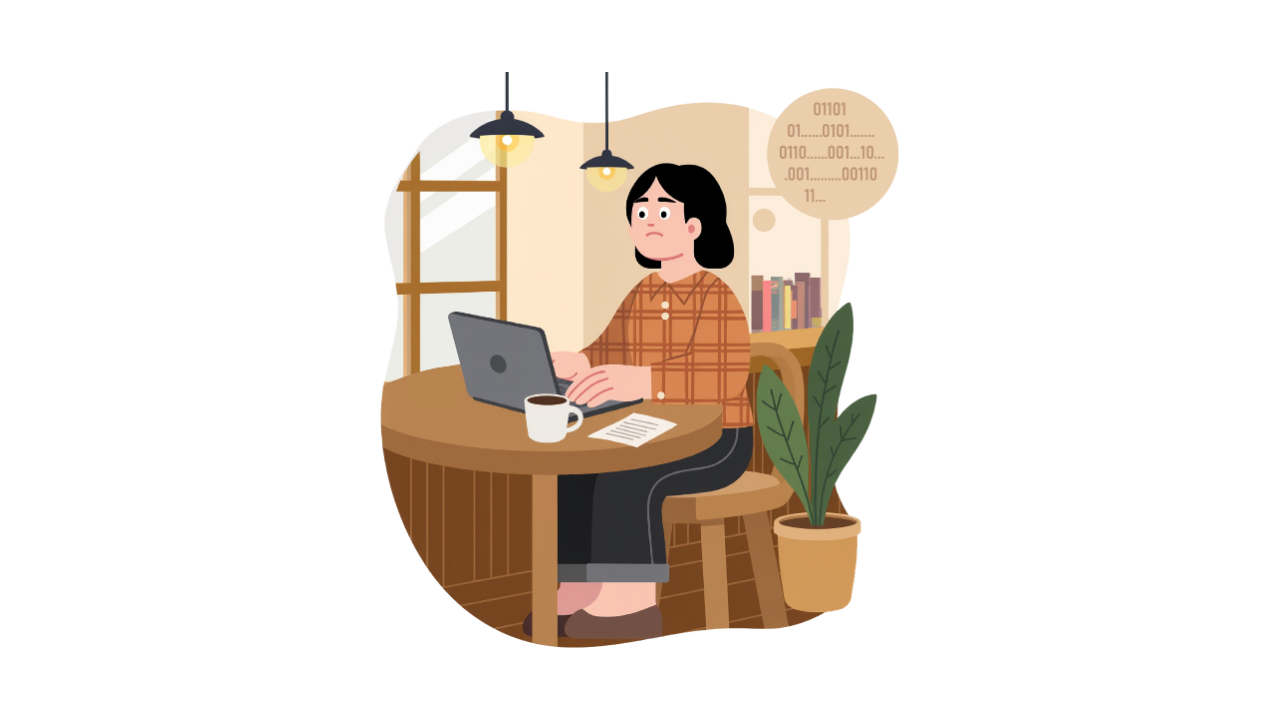
I want to be honest with you about something that most guides about online income leave out entirely, because I think it is one of the most important things you can know before you start.
Building an online income is emotionally harder than it looks from the outside.
Social media shows you the highlights of other people’s journeys: the income milestones, the positive reviews, and the visible growth.
It rarely shows you the weeks of silence before a first client responds, the self-doubt that comes when content you worked hard on gets almost no engagement, or the comparison spiral that can happen when someone you started alongside seems to be growing faster than you are.
All of these experiences are completely normal parts of the process, and they happen to virtually everyone who builds anything meaningful online.
The quiet weeks are not a sign that you are doing something wrong.
The slow growth is not evidence that the model does not work for you.
The doubt is not a signal to stop; it is a signal that you are in the uncomfortable middle phase that everyone who eventually succeeds has to pass through.
Online income tends to grow in waves rather than in a straight line.
There is a quiet phase where effort is high and visible results are low.
Then a breakthrough phase where something clicks and momentum builds.
Then a plateau where growth levels off temporarily.
Then growth again.
The people who build sustainable online income are not the ones who never experience the quiet phase.
They are the ones who understand that the quiet phase is part of the process and keep showing up anyway.
Progress is the goal during the early months, not results.
Results are what happens when you stay focused on progress long enough.
READ MORE : I Tried 10 Online Projects as a Busy Mom (Here’s What Actually Paid Off and What Wasted My Time)
Realistic Income Ranges From Online Work in 2026

I want to share some realistic income ranges to give you a concrete sense of what is actually possible, but I want to give them to you with the context that makes them meaningful rather than just impressive-sounding numbers.
AI content editing typically generates between $800 and $4,000 per month for people who work consistently and build a client base over six to twelve months.
Digital customization and design assistance range from $500 to $2,500 per month for beginners scaling to intermediate.
Community management for online businesses produces between $600 and $3,000 per month depending on the number of clients and scope of work.
Short-form script writing for social media and YouTube has grown significantly and typically ranges from $1,000 to $5,000 per month for experienced writers with a clear specialty.
AI setup consulting, which helps businesses integrate AI tools into their workflow, is one of the newer and higher-paying areas, ranging from $1,500 to $7,000 per month for people who develop genuine expertise.
What determines where someone falls in these ranges is not primarily talent.
It is how long they have been doing the work consistently, how specifically they have positioned their skills, and how actively they have built client relationships and collected social proof.
Beginners almost always start at the lower end of these ranges while they build their skills and reputation.
Experienced professionals with strong portfolios, consistent reviews, and clear positioning reach the higher end.
The path from lower to higher is measured in months of consistent effort, not in a single leap.
AI Is Your Ally, Not Your Enemy
Many people entering the online income space in 2026 carry a genuine fear about AI, specifically the fear that it will automate away the work they are trying to build a career around.
I understand where this fear comes from, but I want to offer a different perspective based on what I have actually observed.
AI is creating more opportunities for skilled online workers than it is eliminating.
The reason is that AI tools require human guidance, judgment, and quality control to produce outputs that are genuinely useful for real business applications.
A business owner who uses AI to generate content still needs someone who understands quality, tone, and audience to review, edit, and refine that content before it represents them publicly.
A company adopting new AI tools for their workflow still needs someone who understands both the tools and the business context to set them up correctly and train their team to use them effectively.
The online workers who are thriving in 2026 are not competing against AI.
They are working alongside it, offering the human judgment, creative direction, and quality standards that AI cannot provide on its own.
If you can position yourself as someone who helps businesses get better results from AI tools rather than as someone whose work AI can replace, you are in an extremely strong position in the current market.
The skill is not irrelevance in the age of AI.
It is collaboration with AI in a way that amplifies your value rather than diminishing it.
READ MORE: How I Got My First Web Design Client With No Portfolio (And What I’d Do Differently Today)
Why 2026 Is the Right Time to Start

Every significant shift in the digital economy creates a window of opportunity that rewards early movers.
The people who started blogging seriously in 2010 built authority that still produces income today.
The people who committed to YouTube in 2015 established audiences that gave them a permanent advantage over people who discovered the platform later.
The people who took remote work seriously in 2020 developed skills and client relationships that became increasingly valuable as the remote economy expanded.
The current window is centered on AI integration and digital services.
The market for people who can work with AI tools, create AI-assisted content at scale, help businesses adapt to AI-driven workflows, and build digital products for increasingly specific niches is growing faster than qualified professionals are entering it.
This means that someone who develops genuine expertise in any of these areas right now has a meaningful first-mover advantage over someone who waits another year or two to start.
Markets do not stay under-saturated forever.
Early movers build reputations, collect reviews, and establish authority that becomes progressively harder for later entrants to compete with.
The best time to have started would have been a year ago. The second best time is now.
What If You Fail?
This is the fear most people carry but rarely say out loud, and I want to address it directly because I think the honest answer makes starting feel much less risky than most people imagine.
Failure in an online business costs almost nothing compared to failure in a traditional business.
You do not lose money on a warehouse lease, on physical inventory that does not sell, or on equipment you bought before understanding whether the business model actually works.
The primary cost of an unsuccessful online project is time, and time spent genuinely learning something, even when the project itself does not produce the outcome you hoped for, is never truly wasted.
What you carry forward from an unsuccessful online project is an understanding of how the digital economy works, practical skills in writing, design, marketing, or communication that transfer directly to other applications, experience navigating client relationships and professional communication, and a much clearer picture of what you actually enjoy and what you do not.
Many of the most successful online entrepreneurs built their current businesses on the lessons of previous projects that did not work out.
The failure was not the end of the story.
It was the education that made the next chapter possible.
READ MORE: 6 Pros and Cons of Working Online from Home (With Practical Solutions)
My 90-Day Growth Plan for Your First Online Project
Here is the realistic, beginner-friendly roadmap I use and recommend for anyone starting their first online project.
The goal of this plan is not perfection.
It is measured, sequential progress that builds genuine momentum without overwhelming you in the early weeks when everything is still unfamiliar.
Month 1: Foundation Phase (Learn and Set Up)
This first month is entirely about building clarity and foundational competence.
There is no pressure to earn yet, and there should not be.
Trying to generate income before you understand what you are doing produces frustration rather than results.
Choose your initial direction based on what genuinely fits your current skills and available time.
Learn the core fundamentals of that direction through free resources on YouTube, relevant blog content, and free courses where available.
Practice with simple test projects that prioritize understanding over perfection.
Set up whatever basic presence you need to start working, whether that is a Fiverr or Upwork profile, a simple portfolio page, or a basic social media presence.
By the end of this month, you should have a clear direction and enough foundational knowledge to start doing real work, even if that work is still imperfect.
Month 2: Action Phase (Start Real Work)
This is where the transition from learning to doing happens, and it is also where most beginners either level up or quietly stop.
The discomfort of this phase is completely normal and does not mean anything is wrong.
Start reaching out to potential clients or opportunities, even if your pitch feels imperfect.
Take smaller or lower-paid starter work specifically to gain real experience and begin building your review history.
Collect honest feedback from your first clients and use it to improve rather than just to validate.
Focus on improving the speed, clarity, and quality of your communication, since responsiveness and professionalism often matter more to clients than raw skill level in the early stages.
By the end of this month, you should have real-world experience and at least the beginning of a feedback loop that tells you what is working and what needs to improve.
Month 3: Growth Phase (Build Momentum)
By month three, you are no longer a beginner in the practical sense.
You have done real work, received real feedback, and learned things that no amount of preparation could have taught you.
Now the work shifts from getting started to building something consistent.
Gradually raise your rates as your portfolio and confidence grow.
Focus specifically on securing repeat clients rather than constantly chasing one-off projects.
Start streamlining your workflow, developing templates, systems, and routines that let you deliver quality work more efficiently.
Begin thinking about the second income pillar you might eventually add and what skills you need to develop to make that expansion meaningful rather than scattered.
By the end of month three, you should have consistency, not just random individual results.
Pro Tip: The most important thing this 90-day plan requires from you is not talent, money, or perfect conditions. It is the decision to keep showing up even during the weeks when nothing seems to be happening. The quiet weeks are building something invisible: skills, reputation, and visibility that eventually become very visible. Trust the process long enough to see it work.
READ MORE: How to Find Your Niche as a Woman Entrepreneur (A Proven 3-Step Framework)
What I Have Learned From Building an Online Career
After years of trial, error, confusion, and gradually increasing wins in the online space, here are the honest lessons that I wish someone had spelled out for me clearly before I started.
Clarity comes after action, not before it. I spent a long time waiting to feel clear about my direction before committing to a path. What I eventually discovered is that clarity does not come from thinking about something more carefully. It comes from actually doing it and learning from the experience. The first steps always feel unclear, but they reveal the direction in a way that no amount of planning could. You do not think your way to a clear direction — you act your way there.
Consistency beats motivation every time. Motivation is real, but it is unreliable. It appears when things are going well and disappears when they are not, which is exactly backward from what you need, since the periods when things are not going well are precisely when consistent effort matters most. What actually builds an online career is showing up every day regardless of how motivated you feel, doing the work even when it feels like nothing is happening, and trusting that consistent small efforts compound into significant results over months and years. The people who succeed are not the most motivated. They are the most consistent.
Nobody cares until you show results. This one was difficult to accept. At the beginning of building anything online, almost nobody is watching, supporting, or acknowledging the work. That silence can feel deeply discouraging when you are putting in real effort and seeing very little external validation. But the silence is not a judgment on the quality of your work or the viability of your direction. It is simply the reality that attention follows proof. People pay attention when you have been consistent long enough to have something real to show. The early silence is not failure. It is the part before success that everyone goes through.
Skills matter more than ideas. I spent a significant portion of my early online journey jumping from idea to idea, convinced that I just needed to find the right concept. What I eventually understood is that the idea is rarely the limiting factor. Execution is. A simple idea executed consistently and skillfully will always outperform a brilliant idea executed poorly or inconsistently. Investing in developing a real skill, one that creates genuine value for real people, is worth far more than finding the perfect niche or the most untapped opportunity.
Slow progress is still progress. The timeline of online income growth is almost always slower in the early months than people expect and faster than they can imagine once the compounding begins. Most people quit during the slow early phase, right before the growth curve begins to bend upward. Understanding that slow progress is not a sign of failure but simply a feature of how compounding works makes it much easier to stay consistent through the months when visible results are still minimal.
The Future Belongs to Digital Builders

In 2026, the people building the strongest financial positions are not necessarily those with the most impressive academic credentials or the most prestigious employment history.
They are the people who can learn quickly, adapt when conditions change, stay disciplined when the initial excitement fades, diversify their income across multiple streams over time, and think long enough about the future to make decisions today that will compound into something meaningful.
Your location does not limit you in the way it once did.
Your background does not define your ceiling.
Your current employment situation does not trap you permanently.
The tools, platforms, and opportunities of the online economy are genuinely available to anyone with a device, an internet connection, and the willingness to treat online work as a real professional pursuit rather than a casual experiment.
The only decision that determines whether you benefit from any of this is whether you actually start.
Not whether you start perfectly, not whether you choose the optimal path, not whether you have the ideal setup.
Just whether you start or not.
READ MORE: 10 Powerful Amazon E-Commerce Lessons I Learned From Studying Real Sellers in 2026
Legacy, Not Just Income

A side hustle generates extra money, but a genuine online career, built with intention and sustained with consistency, can change your family’s story in ways that go far beyond monthly income.
It can break the dependence on a single employer whose decisions you have no control over.
It can give the people closest to you a front-row view of what it looks like when someone decides to build something rather than simply wait for circumstances to improve.
It can create the kind of location and schedule flexibility that changes what daily life actually feels like.
It can develop skills and relationships that open doors globally rather than only locally.
All of that starts with one decision: to begin.
Not when everything is perfectly aligned.
Not when you feel completely ready.
Not when someone gives you permission.
Now. With what you have.
From where you are.
There will be quiet months ahead.
There will be moments of slow growth and genuine self-doubt.
That is not a warning to stay away.
That is just an honest description of what every meaningful thing requires before it becomes what it eventually becomes.
What matters is who keeps showing up anyway.
READ MORE : I Tried 10 High-Demand Online Skills From Home (Here’s What Actually Worked for Me)
Frequently Asked Questions
How do I choose my first online project when there are so many options?
Start by matching the project to what you already know rather than what pays the most. The income ceiling matters less in the early months than the ability to stay consistent, and consistency is much easier when you are working with existing skills rather than building everything from scratch simultaneously. Make a list of the things you can already do reasonably well, identify which of those skills have online market demand, and choose the overlap that also fits the kind of time you realistically have available. Spending more than a week on this decision is usually procrastination rather than careful planning. The right choice is the one you actually start.
How long does it realistically take to earn income from a first online project?
For service-based work like freelancing, writing, or virtual assistance, first income typically arrives within two to six weeks of actively applying and pitching. For content-based income like blogging, YouTube, or affiliate marketing, the timeline is considerably longer, usually three to six months before meaningful, consistent income appears. The 90-day plan in this article is designed around the service-based timeline, since that is the most realistic path to income for most beginners. If your first project is content-based, treat the first three months as pure investment and measure success by output and consistency rather than revenue.
What should I do if I try something for a month and it is not working?
First, distinguish between “not working” and “not yet working,” since these feel identical at one month but often lead to very different outcomes depending on whether you continue. If you have been consistently applying, pitching, or publishing for 30 days and have received genuinely zero response of any kind, that is useful information; it might mean your positioning is unclear, your pricing is misaligned, or your target audience is different from who you are reaching. Adjust one variable at a time and give the adjustment another 30 days. If you have received some response but no confirmed work or sales, that is actually a positive signal. Focus on improving your conversion from interest to commitment rather than changing direction entirely.
Can I build an online income without showing my face or building a personal brand?
Absolutely, and many highly successful online income earners work entirely behind the scenes. Ghostwriting, virtual assistance, data work, back-end content creation, and many forms of freelance service can be built on the strength of work quality and client testimonials without any personal visibility. If your preference or circumstances make a visible personal brand impractical, focus on building your reputation through the quality of what you deliver and the reviews and referrals that come from satisfied clients. That kind of reputation, built on results rather than visibility, is often more durable than one built primarily on personal brand.
How do I avoid scams when looking for online income opportunities?
The clearest rule is that legitimate income opportunities pay you for work completed; they do not charge you to access opportunities. Any platform, community, or individual that asks for money before you can start earning is almost certainly not legitimate. Stick to established, verifiable platforms with public track records, independent user reviews, and transparent payment processes. Be particularly cautious of opportunities that promise specific income amounts, create pressure to decide quickly, or use testimonials that cannot be independently verified. When something feels too easy or too urgent, taking extra time to research it independently is always the right decision.
What is the single most important thing to focus on in the first 30 days?
Starting and specifically starting publicly rather than just privately. The most productive thing you can do in your first 30 days is put something real into the world, whether that is a profile on a freelance platform, a published piece of content, a first client proposal, or a product listing. Everything after that first public step is iteration and improvement, which is far more productive than continued private preparation. The first step is always the hardest, and it is always the most important.
READ MORE: 10 Daily Habits of Successful Women Entrepreneurs (Start These Today with Discipline)
Final Thoughts: Everything Begins With One Decision
The future of online work is not coming: it is already here, and it is already rewarding the people who showed up for it with seriousness and consistency.
You do not need everything to be perfect before you start.
You do not need a large budget, a fast connection, a polished portfolio, or years of experience.
You need a direction that fits where you are right now, a daily commitment to showing up for it, and the patience to stay in the process long enough for the results to appear.
The gap between where you are and where you want to be is not luck, talent, or the right idea.
It is consistent action, taken over time, in one clear direction.
That gap is bridgeable, and the only thing required to begin bridging it is the decision to start.
Not tomorrow.
Today.
Found this helpful? Have questions? Drop them in the comments below!
Thank you so much for reading! Share your opinions and perspectives in the comments below to increase the visibility of this article. Subscribe to She Speaks Business to get more stories like this one.
Best regards,
Fatima K.
Writer. Mother. Dream Builder. Founder.