
Five years ago, I was looking for a business I could run from home without a huge investment.
The print-on-demand T-shirt model kept coming up and when I looked into it properly, I could see exactly why so many people were doing it.
A few years ago, if someone told me you could build a profitable business from home by putting creative designs on T-shirts without ever touching inventory or shipping a single package, I would not have believed it.
It sounded too simplified to be real.
But the more I researched it, the more clearly I saw why so many people, including students, stay-at-home moms, and creative freelancers, are building real income with this model.
The T-shirt industry is still growing.
Print-on-demand technology has made it more accessible than ever, and the barrier to entry is genuinely low in a way that most business models are not.
In this guide, I want to walk you through exactly how to start a profitable T-shirt business from home in 2026 step by step, with honesty about what it takes and what you can realistically expect.
Table of Contents
ToggleWhy a T-Shirt Business Makes Sense in 2026
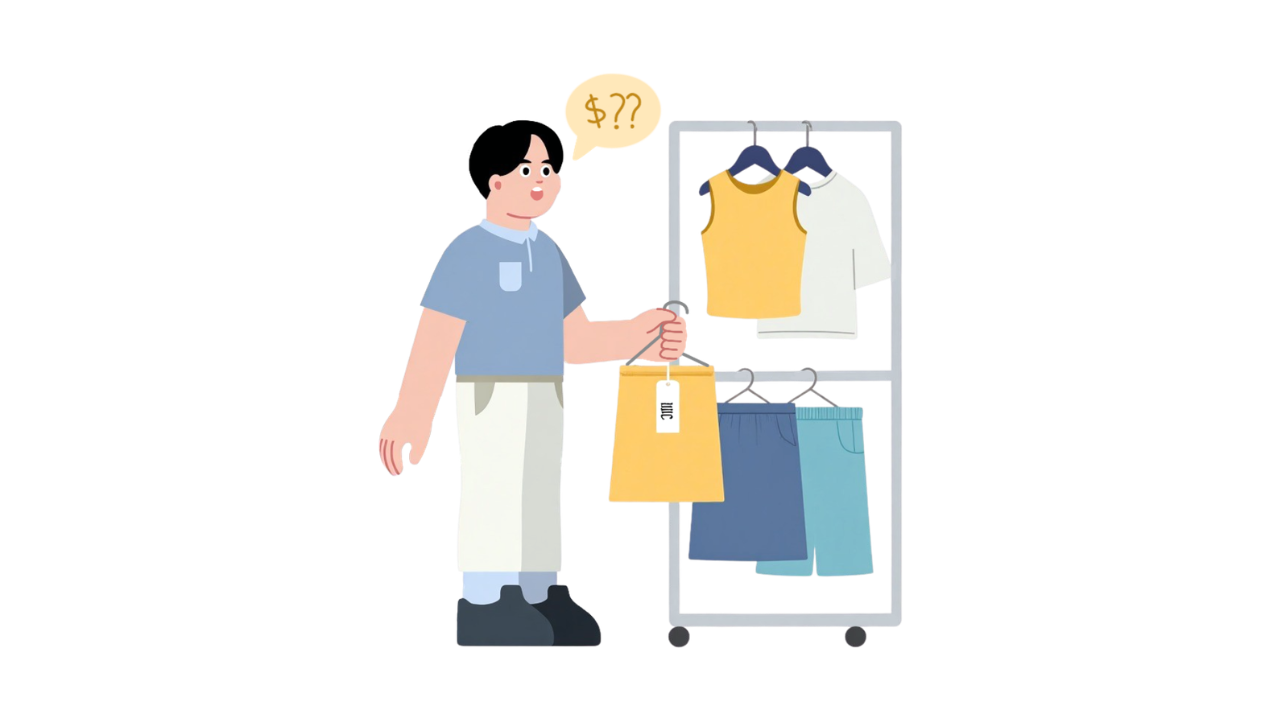
When I started looking into this space seriously, I expected to find a market that was already too crowded for a new person to enter.
What I found instead was something more interesting, a growing market that is still rewarding people who approach it with focus and creativity, even as a beginner.
The demand for custom T-shirts is not slowing down.
People do not just buy clothes anymore.
They buy designs that represent their personality, beliefs, humor, profession, or identity.
The global print-on-demand market is growing at around 26% annually, which means the opportunity for new creators is expanding rather than shrinking.
The T-shirt segment specifically has maintained strong revenue and is projected to keep growing well into the next decade.
What makes this opportunity particularly accessible in 2026 is how much technology has simplified the process.
You can design using beginner-friendly tools, sell through established platforms, and let a third party handle all printing, packing, and shipping without ever buying inventory in advance.
That removes the financial risk that stops most people from starting a product-based business.
This business is also flexible in a way that fits different kinds of people.
You can start it as a small side income while managing other responsibilities, test different ideas without significant financial exposure, and scale gradually as you learn what actually works for your audience.
For creative people who want to build something of their own without a large upfront investment, the T-shirt business remains one of the most practical entry points into product-based online businesses in 2026.
Can You Really Make Money With a T-Shirt Business?

Yes, but the honest answer comes with important context that most guides leave out.
The T-shirt business is genuinely profitable for people who approach it with a clear niche, consistent marketing, and realistic expectations about the timeline.
Market data confirms the opportunity is real.
The global T-shirt market generated nearly $39 billion in revenue in 2022 and is projected to exceed $50 billion by 2027.
The custom printing segment is growing at around 11% per year.
Research shows that a meaningful percentage of consumers are willing to pay a premium for personalized or niche-specific designs, which is exactly where the opportunity lies for independent creators.
What the income potential depends on is not the size of the market but the specificity of your positioning within it.
Generic designs uploaded without a clear target audience rarely produce consistent sales, regardless of how visually appealing they are.
The stores that generate real income are the ones built around a specific niche, a clear design identity, and consistent effort to reach the right people.
When those three things come together, even a small store can produce meaningful monthly income, and over time, with optimization and expanded product lines, that income can grow significantly.
The realistic expectation for most beginners is this: the first few months are primarily about learning, testing, and building.
Income in that phase will be small and inconsistent.
That is normal and does not indicate that the business is not working.
The growth curve in T-shirt businesses tends to be gradual and then acceleratingly slow at the start, more consistent as your niche becomes clearer and your designs improve, and compounding as your store builds reputation and organic visibility over time.
What Is Print-on-Demand and Why It’s Perfect for Beginners
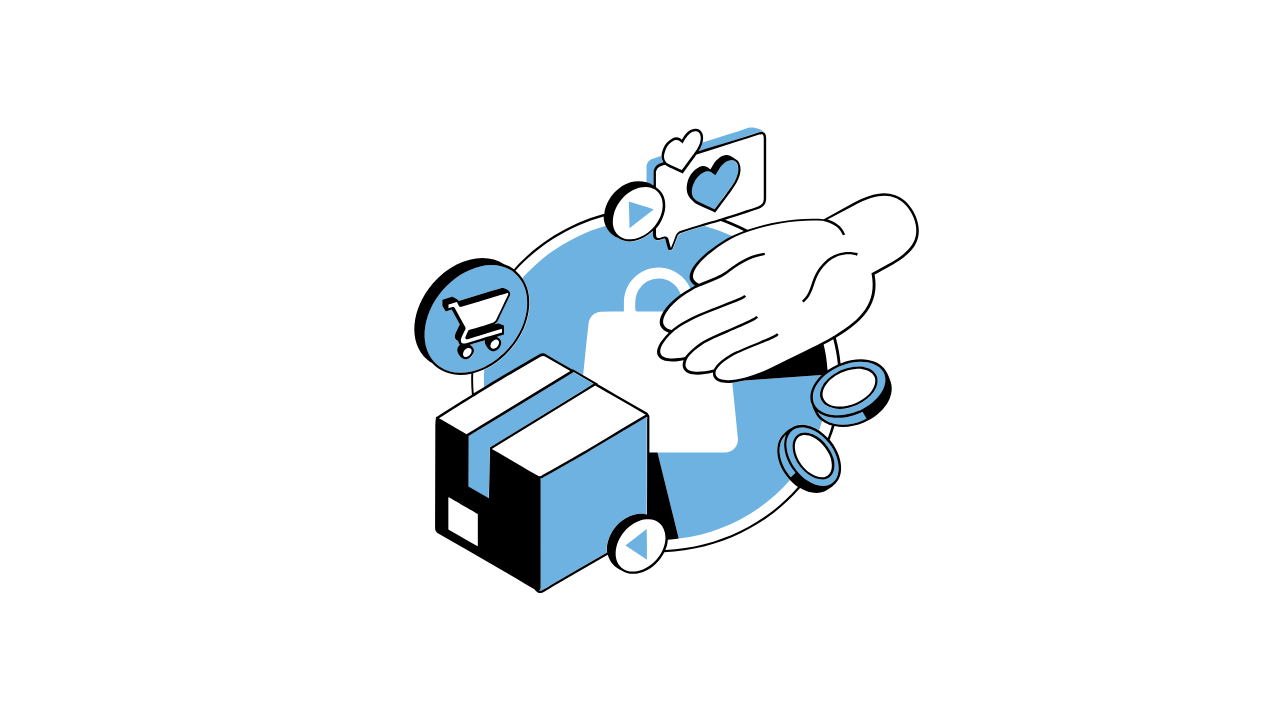
Print-on-demand is the business model that makes a home-based T-shirt business genuinely feasible for someone starting with limited funds and no prior experience in product businesses.
The way it works is straightforward.
You create a design and upload it to a print-on-demand platform.
That design gets applied to a product, a T-shirt, a hoodie, a tote bag, or a phone case in your online store.
When a customer places an order, the platform prints your design on the item and ships it directly to them. You never handle the product.
You never buy inventory in advance.
You never worry about unsold stock sitting in a spare room.
Your job is to create the design, set up the store, and market the products.
The fulfillment side happens entirely without you.
For beginners, this model solves the two biggest problems that typically stop people from starting a product business.
The first is financial risk because you only pay for production after a sale has been made.
You are never investing money into inventory that might not sell.
The second is operational complexity because the platform handles printing, quality control, packaging, and shipping.
You can run a T-shirt business without any of the logistical infrastructure that a traditional product business would require.
The trade-off is that your profit margin per item is lower than it would be if you bought products in bulk.
But for a beginner still learning what designs sell and which niches respond, the ability to test freely without financial pressure is far more valuable than a higher margin on products you are not yet sure will move.
Print-on-demand gives you room to learn, which is exactly what the early stage of any business requires.
READ NEXT: Why Helping Students and Stay-at-Home Moms Became My Purpose as a Businesswoman
How Much Does It Cost to Start a T-Shirt Business?
One of the most common questions beginners ask is how much money they need before they can start, and the honest answer is genuinely encouraging: you can begin with very little.
At the most basic level, a print-on-demand T-shirt business can be started for under $50.
A free account on a platform like Printify or Printful gives you access to their product catalog and fulfillment network at no upfront cost.
Free design tools like Canva allow you to create basic designs without paying for software.
Platforms like Etsy allow you to list products for a small per-listing fee.
If you choose this route with free tools, a free POD account, and an Etsy store, your total starting investment can be as low as a few dollars in listing fees.
If you want a more independent setup with your own branded store, costs increase slightly.
A basic Shopify plan runs around $29 per month and gives you a professional storefront that you fully control.
A domain name costs roughly $12–15 per year.
If you want premium design tools beyond Canva’s free tier, subscriptions typically run $10–15 per month.
Add a small initial marketing budget, even $20–30, to test a social media ad, and you are looking at a total starting investment of around $50–100 per month for a properly set-up independent store.
The most important thing to understand about budgeting for this business is where money is well spent and where it is not.
Spending on product quality and reliable POD platforms is always worth it.
Poor print quality destroys customer trust quickly and is very hard to recover from.
Spending on marketing before you have tested your designs is riskier.
It is better to build some organic feedback first and then invest in paid promotion for the designs that show the most promise.
Step 1: Choose a Profitable Niche
Choosing a niche is the single most important decision you will make in your T-shirt business, and it is the one that most beginners either skip entirely or get wrong by thinking too broadly.
A niche is not just a topic.
It is a specific group of people who share a common identity, interest, or experience and who are likely to pay for a product that speaks directly to that shared thing.
The difference between “fitness” as a niche and “women who do early morning runs before their kids wake up” as a niche is the difference between competing with thousands of stores and serving an audience that very few stores are speaking to specifically.
The narrower and more specific your niche, the more your designs can resonate, and resonance is what drives sales.
When I think about niche selection, I look for three qualities.
First, the niche should have a clearly defined and reachable audience.
People who gather in specific online communities, follow specific accounts, or search for specific terms.
Second, there should be real purchasing intent, meaning people in this niche already buy products related to their identity or interest.
Third, the competition within that niche on platforms like Etsy or Amazon Merch should be manageable, not zero, which might mean no demand, but not so dominant that new stores cannot get any visibility.
Strong niche examples include professions with strong identity associations (nurses, teachers, engineers), hobby communities with passionate followings (hiking, embroidery, sourdough baking), life stages with emotional resonance (new moms, recent graduates, first-time pet owners), and humor categories tied to very specific shared experiences.
Any of these can support a profitable T-shirt store when paired with designs that feel genuinely made for that audience rather than generic enough to appeal to anyone.
Step 2: Research Your Market Before You Design
Market research is the step that separates the stores that grow from the stores that stall, and it is the step most beginners skip because designing feels more exciting than researching.
The goal of market research at this stage is simple:
You want to understand what people in your niche are already buying, what is missing from what is currently available, and what design styles or messages they respond to most strongly.
You are not trying to copy what exists; you are trying to understand the space well enough to create something that fits it better.
Start by searching your niche on Etsy and looking at the bestselling listings.
Pay attention to which designs have the most reviews.
Reviews indicate actual purchases, not just views.
Notice what phrases, styles, and visual approaches appear consistently in the top performers.
Then look for the gaps: what does the audience seem to want that is not yet being offered well?
That gap is where your opportunity lives.
Google Trends is a useful tool for understanding whether interest in your niche is growing, stable, or declining.
A niche with growing search interest is preferable to one that is peaking or fading.
Pinterest is valuable for understanding what design aesthetics resonate with your target audience visually, which can inform the style direction of your own designs before you create a single thing.
Social media communities in your niche, like Facebook groups, Reddit threads, and Instagram hashtags, give you direct access to how people in that audience talk about themselves and what they care about, which is some of the most valuable design research available anywhere.
Step 3: Create Designs That Actually Sell
Your designs are the product, and the quality and relevance of your designs determine almost everything else about how your store performs.
This is worth taking seriously even if you do not consider yourself a designer.
The good news is that strong T-shirt designs do not always require advanced design skills.
Some of the best-selling designs on print-on-demand platforms are meaningful typographic phrases, witty statements, or relatable observations presented in clean, well-chosen fonts with simple but deliberate layouts.
A well-executed text-based design with the right message for the right audience will outperform a technically complex illustration that does not connect emotionally.
The message matters more than the complexity.
For beginners, Canva is the most accessible starting tool and is more capable than most people realize.
It has T-shirt-specific templates, a large font library, and design elements that can be combined to create clean, professional-looking results without prior design experience.
Kittl is another excellent option for typography-heavy designs with a more premium aesthetic.
If you want more control over illustration and complex graphics, Adobe Illustrator or Procreate (on iPad) are the industry standards, though they have steeper learning curves.
Whatever tool you use, focus on a few key design principles.
Keep the design simple enough to read clearly at a small size.
Make sure the message or image connects directly to something your niche audience cares about.
Avoid using copyrighted phrases, logos, or imagery; this is a serious issue on print-on-demand platforms and can result in account suspension.
Create multiple variations of your strongest design concepts and plan to test them before investing heavily in promoting any single one.
Step 4: Choose the Right Print-on-Demand Platform
The print-on-demand platform you choose is your production and fulfillment partner, and choosing the right one matters more than most beginners realize when they are focused on design and marketing.
Printify and Printful are the two most established platforms for beginners and are both strong choices with different strengths.
Printify works with a network of print providers globally, which gives you more flexibility in pricing and product selection, and its free plan is genuinely usable for starting out.
Printful manages its own production facilities, which means more consistent quality control and a slightly more streamlined experience, but at a higher base cost per item.
Both integrate directly with Shopify, Etsy, WooCommerce, and other major selling platforms.
Redbubble and Teespring (now Spring) work a bit differently; they are a marketplace as well as a production platform, so your products get listed in their own ecosystem where existing traffic can find them.
This can generate some organic sales without the need to drive your own traffic, which makes it appealing for very early-stage testing.
The trade-off is lower margins and less brand control.
When evaluating platforms, the factors that matter most are print quality (order samples before committing), product variety (does the catalog include the types of products you want to sell?), fulfillment speed (how long does delivery take to your target audience’s region?), and integration with your chosen store platform.
It is worth ordering a sample of any product you plan to sell before listing it; the difference between how a product looks in a mockup and how it feels and prints in reality is something only a physical sample will tell you.
Step 5: Set Up Your Online Store
Your store is where your designs become a real business, and while the technical setup does not need to be complicated, it does need to be done with care.
A store that looks unprofessional or is difficult to navigate loses sales before a customer even sees your designs clearly.
For most beginners, the choice comes down to Etsy or Shopify.
Etsy has built-in traffic from millions of active buyers already searching for custom and handmade products, which gives new stores a realistic chance of getting early organic visibility without significant marketing investment.
The platform fee structure is straightforward, and integration with Printify and Printful is seamless.
Etsy works particularly well if your niche is style-oriented, gift-focused, or in personal areas where its audience is already actively shopping.
Shopify gives you a fully independent branded store that you own and control completely.
There is no marketplace algorithm determining your visibility; your traffic comes from your own marketing efforts.
This gives you more flexibility in how you present your brand, how you structure your product pages, and how you communicate with customers.
The monthly cost is higher than Etsy’s listing fees, but for a store with a clear brand identity and a marketing plan, Shopify allows for more professional positioning and better long-term scalability.
Regardless of which platform you choose, the fundamentals of a well-built store are the same.
Your product photos need to show the design clearly.
High-quality mockups that place the design in realistic contexts are essential.
Your product descriptions need to speak directly to your niche audience and answer the questions a buyer would have before purchasing.
Your store name and visual identity should reflect your niche clearly enough that a first-time visitor immediately understands who you are serving and why your designs are for them.
Step 6: Price Your Products Strategically
Pricing is one of the decisions that beginners most commonly get wrong, either setting prices too low in an attempt to compete on cost or setting them without fully accounting for all the costs involved, which leads to margins that cannot sustain the business.
The starting point for pricing is understanding your true cost per item.
This includes the base cost charged by your print-on-demand platform, any platform selling fees (Etsy charges listing and transaction fees; Shopify has its own fee structure), and any payment processing fees.
Once you know your total cost per sale, you can calculate the price needed to achieve your target margin.
For most T-shirt businesses, aiming for a margin of 30–50% is a reasonable goal enough to cover marketing costs and reinvestment while still being competitive in your market.
What beginners often underestimate is how much pricing communicates about quality and brand positioning.
A T-shirt priced at $10 signals something very different from one priced at $28 even if the product quality is identical.
In niche markets where buyers feel a strong personal connection to the design, price sensitivity is often lower than sellers expect.
People who feel that a design was made specifically for them are frequently willing to pay a meaningful premium for that feeling of personal relevance.
The practical advice I have for pricing is to resist the impulse to start low and raise prices later.
It is much harder to increase prices on an established store than to maintain prices from the beginning.
Set a fair price that reflects your costs and positions your brand appropriately, and be willing to compete on design quality and niche relevance rather than on price.
Customers who buy primarily because of price are not the loyal repeat customers who sustain a business over time.
Pro Tip: When you are just starting, resist the temptation to price low to compete.
A price that is too low signals low quality and attracts bargain hunters who rarely become loyal customers.
Price at a fair margin from the beginning, and let your niche and design quality justify it.
You can always run limited-time promotions, but it is very hard to raise prices once you have established them too low.
Step 7: Build a Professional Store Presence
Once you got your store open and your products listed, the quality of your store’s presentation determines how many people who come to your store actually convert into buyers.
Traffic without conversion is just numbers; what matters is whether visitors trust what they see enough to purchase.
The most important element of your store presentation is your product imagery.
Mockups, realistic visual representations of your designs on actual products, do the work of helping customers imagine owning and wearing what you are selling.
High-quality mockups that show the design in lifestyle contexts (someone wearing the shirt in a relevant setting, for example) consistently outperform plain flat-lay product images.
Most print-on-demand platforms provide mockup generators, and tools like Placeit offer a wide library of professional-quality mockup templates.
Your product descriptions need to go beyond simply describing what is on the shirt.
They should speak to your niche audience in the language that audience uses, address the practical questions a buyer would have (sizing, material, wash care), and create a sense of connection between the design and the person it was made for.
A description that says “Perfect for the nurse who has heard ‘what do you actually do all day’ one too many times” will resonate far more powerfully with its target audience than one that simply says “Nurse-themed graphic tee.”
Your store’s overall visual identity—the name, banner, color palette, and tone of voice across all descriptions—should feel cohesive and intentional.
A store that looks put-together communicates professionalism and trustworthiness even to a first-time visitor who has never heard of you.
Inconsistency in visual identity makes a store look unfinished, which creates hesitation in potential buyers even when the designs themselves are strong.
Step 8: Market Your Store Consistently
Creating great designs and building a professional store are necessary but not sufficient.
If you do not consistently bring people to your store, even the best products will sit unseen.
Marketing is not optional.
It is the work that connects your designs to the people who would genuinely want them.
For T-shirt businesses, the most effective marketing channels in 2026 are Pinterest, Instagram, TikTok, and SEO, with the right choice depending on your niche and where your target audience spends their time.
Pinterest is particularly powerful for this business model because its visual-search format means content has a long shelf life.
A well-optimized Pinterest pin can drive traffic to your store for months or even years after it is posted.
Creating boards organized around your niche and regularly adding pins that link back to your products is one of the highest-return marketing activities available to a T-shirt store with no advertising budget.
Instagram and TikTok are valuable for building the personal connection that turns casual browsers into loyal customers.
Showing the people and ideas behind your designs, the stories that inspired them, the niche community you are part of, and the behind-the-scenes of running a small creative business creates the kind of authenticity that paid advertising cannot replicate.
You do not need a large following for this to work.
A small, engaged audience in the right niche is far more commercially valuable than a large, passive one.
SEO matters both within marketplace platforms like Etsy and through external content.
On Etsy, optimizing your listing titles, tags, and descriptions with the specific phrases your target audience searches for directly affects how often your products appear in results.
Externally, writing blog content or creating YouTube videos around topics your niche cares about can drive search traffic to your store over time in a way that compounds without ongoing advertising spend.
Step 9: Test, Learn, and Improve Continuously
The difference between a store that grows and one that stalls is almost always whether the owner is genuinely learning from what is happening and adjusting accordingly or just creating and hoping.
Testing in a T-shirt business means deliberately trying different variables, design styles, messaging approaches, niche sub-categories, product types, and price points and paying attention to what the data tells you.
Not every test will produce useful results immediately, but over time the pattern of what resonates and what does not becomes increasingly clear, and that pattern is what allows you to make better decisions faster.
The metrics to pay attention to most closely in the early stages are click-through rate (how many people who see your listing or post click on it), conversion rate (how many people who visit your product page actually buy), and which designs or product types generate the most interest.
If a listing is getting views but not sales, the issue is likely your product page.
The mockup, the price, or the description.
If a listing is not getting views, the issue is visibility, your SEO, your marketing, or your niche selection.
Customer feedback is one of the most valuable and underused sources of product improvement.
When customers leave reviews, positive or critical, they are telling you exactly what they experienced and what mattered to them.
Reading reviews carefully and taking them seriously shapes better decisions about design quality, sizing accuracy, and the kinds of products your audience values most.
The stores that improve fastest are the ones treating every piece of customer feedback as data rather than just a rating.
Step 10: Scale What Is Already Working
Scaling is not about doing everything bigger and faster.
It is about identifying what is specifically working in your business and doing more of that in a structured, deliberate way while resisting the temptation to expand into areas that have not yet proven themselves.
The first and most reliable scaling move is expanding within a winning niche.
If a particular design is selling consistently, create variations: different colorways, different product types carrying the same message, and related designs that speak to the same audience from a slightly different angle.
A customer who bought one design from your store because it resonated with them is already a warm lead for related products in the same niche.
Maximizing the depth of your offering within proven niches before expanding to new ones almost always produces better results than spreading thin across many directions.
The second scaling move is expanding your product line beyond T-shirts.
Hoodies, long-sleeve shirts, tote bags, mugs, phone cases, and stickers all work within the print-on-demand model and can carry the same designs that are already selling.
Adding products your existing customers are likely to want without requiring you to change your niche or create entirely new design concepts is one of the lowest-effort ways to increase average order value and overall revenue.
As revenue grows, reinvesting in paid advertising becomes viable.
Running targeted ads on Pinterest, Facebook, or Instagram for your proven best-sellers can accelerate growth significantly once you have the organic data to know which products convert well.
Starting ads before you have that data is risky; you are paying to promote products without knowing whether they will convert.
Starting ads after you have proven organic performance is much safer and more likely to produce a positive return.
READ NEXT: How I Started My Affordable Web Design Business From Home
Best Tools to Get Started
You do not need dozens of tools to run this business well.
The most effective approach is choosing a small, reliable set of tools that work well together and learning them properly before adding complexity.
For design: Canva is the best starting point for most beginners; it is free, beginner-friendly, and capable of producing professional-quality T-shirt designs without prior design experience.
Kittl is a strong alternative for typography-focused designs with a more polished aesthetic.
As your skills develop, Adobe Illustrator offers the most professional control over vector-based design, though it has a steeper learning curve.
For print-on-demand: Printify is the most popular choice for cost-conscious beginners because its network of print providers gives you flexibility on pricing, and its free plan is genuinely functional.
Printful offers slightly more consistent quality through its own production facilities at a higher base cost.
Both integrate seamlessly with Shopify and Etsy.
Order samples from any platform before committing; seeing and feeling the actual product is the only reliable way to verify print quality.
For your store, Etsy is the fastest path to potential organic traffic and the easiest to set up, making it ideal for testing your earliest designs.
Shopify is the better long-term choice for building a branded store with full ownership and control.
Many sellers use both:
Etsy for discovery and Shopify as their primary branded home.
For mockups and presentations, Placeit offers a large library of professional T-shirt mockups in lifestyle settings.
Both Printify and Printful have built-in mockup generators that are good enough for basic listings.
For social media content, Canva works well for creating branded posts and promotional graphics.
For marketing: Pinterest for long-form visual discovery and evergreen traffic.
Instagram and TikTok for community-building and personal brand connection.
Google Search Console and Etsy’s built-in analytics for understanding what search terms bring people to your store.
These tools together give you everything you need to understand, promote, and grow your business without requiring expensive marketing software.
READ MORE – How to Build a Personal Brand on LinkedIn (Step-by-Step Guide)
Common Mistakes to Avoid

Most T-shirt businesses do not fail because the idea is wrong.
They fail because of patterns that are entirely avoidable with a little awareness going in.
Designing for everyone instead of someone specific.
The most common and costly mistake beginners make is creating designs with no clear target audience.
When everything is designed to appeal broadly, nothing connects deeply.
A store full of generic motivational quotes competes with thousands of identical stores and gives potential customers no reason to choose you specifically.
Choosing a clear niche and creating everything with that specific audience in mind is the single most important thing you can do for your store’s performance.
Skipping market research and designing from personal preference alone.
Just because a design appeals to you does not mean it will appeal to your target customer.
What you find funny, meaningful, or aesthetically pleasing may not align with what your niche audience wants to wear.
Market research looking at what is actually selling in your niche, reading reviews, and paying attention to community conversations gives you real data to design for rather than personal taste.
Expecting significant sales too quickly.
The early months of a T-shirt business are primarily about learning and building, not earning.
Most stores see slow, inconsistent sales in the first one to three months before the combination of growing product listings, improving SEO, and early reviews starts producing more consistent results.
Quitting during this phase, which almost every new store owner finds frustrating, is the most common reason people never discover what their store could have become.
Underinvesting in marketing.
Creating products and listing them is only half of the work.
If you do not actively bring traffic to your store through SEO, social media, content, or advertising, your listings will receive very few visitors regardless of how good the designs are.
Many beginners list products and then wait passively for organic discovery, which does happen on platforms like Etsy, but very slowly for new stores with few reviews.
Consistent, active marketing from day one shortens the period before meaningful traffic appears.
Overcomplicating the launch.
Some beginners spend months perfecting their store setup, designing dozens of products, and planning elaborate marketing strategies before they have made a single sale.
Progress in this business comes from launching, testing, learning, and improving, not from preparation.
A simple store with ten well-researched designs and a clear niche will teach you more in one month of real operation than three months of planning ever could.
Giving up during the slow phase.
Every T-shirt store has a slow phase.
Every single one.
The stores that eventually become profitable are almost always the ones whose owners stayed consistent through that phase rather than concluding that the model does not work.
The compounding nature of product listings, reviews, SEO, and audience-building means that progress accelerates over time but only for people who give it enough time.
READ MORE – How to Start Your First Online Project in 2026 (Step-by-Step Guide)
Is it worth starting a T-shirt business in 2026?
The honest answer is yes, with the right approach and the right expectations.
The market data supports the opportunity clearly.
The industry is growing, print-on-demand technology continues to improve, and the demand for niche-specific and personalized products is stronger than it has ever been.
None of that has changed in a direction that makes the opportunity less accessible for new entrants.
What has changed is that the bar for what works has risen; generic designs in unspecific stores perform poorly now in ways they might have gotten away with a few years ago, but for anyone willing to put in the work of niche research, thoughtful design, and consistent marketing, the opportunity is real and remains genuinely accessible.
What a T-shirt business is not is passive income from the beginning.
It requires active effort to build, researching the right niche, creating designs that connect, setting up a professional store, marketing consistently, and improving based on what the data tells you.
The passive income potential exists over time, as a library of well-optimized listings generates ongoing organic traffic and sales without constant active effort, but that passive stage is the result of a significant active building phase that most beginners underestimate.
The people who succeed with this model share a few consistent characteristics:
They chose a specific niche and committed to it rather than spreading themselves across too many directions; they created designs that genuinely connected with a real audience rather than generic content designed to appeal to everyone; and they stayed consistent long enough for the compounding effects of listings, reviews, and SEO to start working in their favor.
None of those things require exceptional talent or significant money.
They require patience, direction, and the willingness to keep improving.
If you are looking for a business model that you can start with low financial risk, build from home around other commitments, and grow gradually into something meaningful, a T-shirt business in 2026 is genuinely worth pursuing.
Not as a shortcut, but as a real creative and entrepreneurial path that rewards the people who take it seriously.
READ MORE – 10 Online Fields to Explore for Learning and Skill Development (I Tried These Myself)
Frequently Asked Questions
Do I have to be a designer to start a T-shirt business?
Not in the traditional sense.
Many of the best-selling T-shirt designs are typography-based meaningful phrases, witty statements, or relatable expressions presented in clean, well-chosen fonts, and these can be created using beginner-friendly tools like Canva or Kittl without any formal design training.
What matters more than technical design skill is understanding your audience well enough to know what message will resonate with them.
That understanding comes from market research, not from a design course.
As your business grows, your design skills will develop naturally through practice, and if you find yourself wanting more advanced capabilities, there are excellent online resources for learning the basics of graphic design at your own pace.
Does it take time to make consistent sales?
Most print-on-demand T-shirt stores begin seeing their first sporadic sales within the first four to eight weeks of launching, assuming they are actively marketing their products and their store is well set up.
Consistent, predictable monthly income typically takes three to six months to develop, sometimes longer, depending on niche competitiveness, design quality, and how consistently the seller is doing SEO and marketing work.
The most important thing to understand is that the first three months are primarily about learning and building rather than earning.
Sellers who treat this phase as an investment rather than a failure are the ones who reach the consistent income stage.
What’s the best print-on-demand platform for beginners?
Printify and Printful are both strong choices and the most widely used among beginners for good reasons.
Printify offers more flexibility in pricing through its network of print providers and has a fully functional free plan.
Printful offers slightly more consistent quality through its own production facilities at a higher base cost.
For your store platform, Etsy is the easiest starting point because of its existing buyer traffic, which gives new stores a realistic chance at early organic visibility.
As your business grows and you want more brand control, adding a Shopify store gives you a fully independent branded presence.
Many successful sellers use Printify with Etsy to start and add Shopify later.
Can I run a T-shirt business alongside a full-time job or other responsibilities?
Yes, and this is one of the genuine advantages of the print-on-demand model.
Because fulfillment is handled entirely by the POD platform, you are not required to be available for order processing, packing, or shipping.
Your primary time investment is in the creative and marketing work designing, setting up listings, creating social media content, and analyzing what is working.
Many successful T-shirt store owners run their businesses in evenings and weekends while managing full-time jobs or family responsibilities.
The asynchronous nature of the business means you can build it around your existing schedule rather than restructuring your life around it.
How do I find the right niche for my T-shirt store?
Start with what you know and what you really are a part of.
The best niche stores are run by people who are part of the community they’re designing for because that insider knowledge leads to designs that feel authentic and not opportunistic.
From there, validate your niche idea by researching it on Etsy to confirm buying activity, using Google Trends to confirm sustained or growing interest, and looking at the social media communities around that niche to understand how people in it talk about themselves and what they care about.
The combination of personal connection to the niche and data confirming real demand is the strongest foundation for a T-shirt store that has both creative authenticity and commercial viability.
What if my designs don’t sell?
Designs that do not sell are feedback, not failures.
They tell you something specific: either the niche is not the right fit, the design concept does not connect with the audience, the product page is not converting visitors, or the store is not getting enough traffic for meaningful testing.
Rather than concluding that the business does not work, look for the specific reason a design is underperforming.
Low traffic means a marketing or SEO problem.
High traffic but low conversion means a product page problem with mockup quality, pricing, or description.
If traffic and page quality are both solid but sales are still missing, the design concept itself may need rethinking.
Every underperforming design points to something learnable, and the sellers who grow are the ones who use that information rather than simply moving on.
Final Thoughts: How to Build a T-Shirt Brand That Lasts From Home
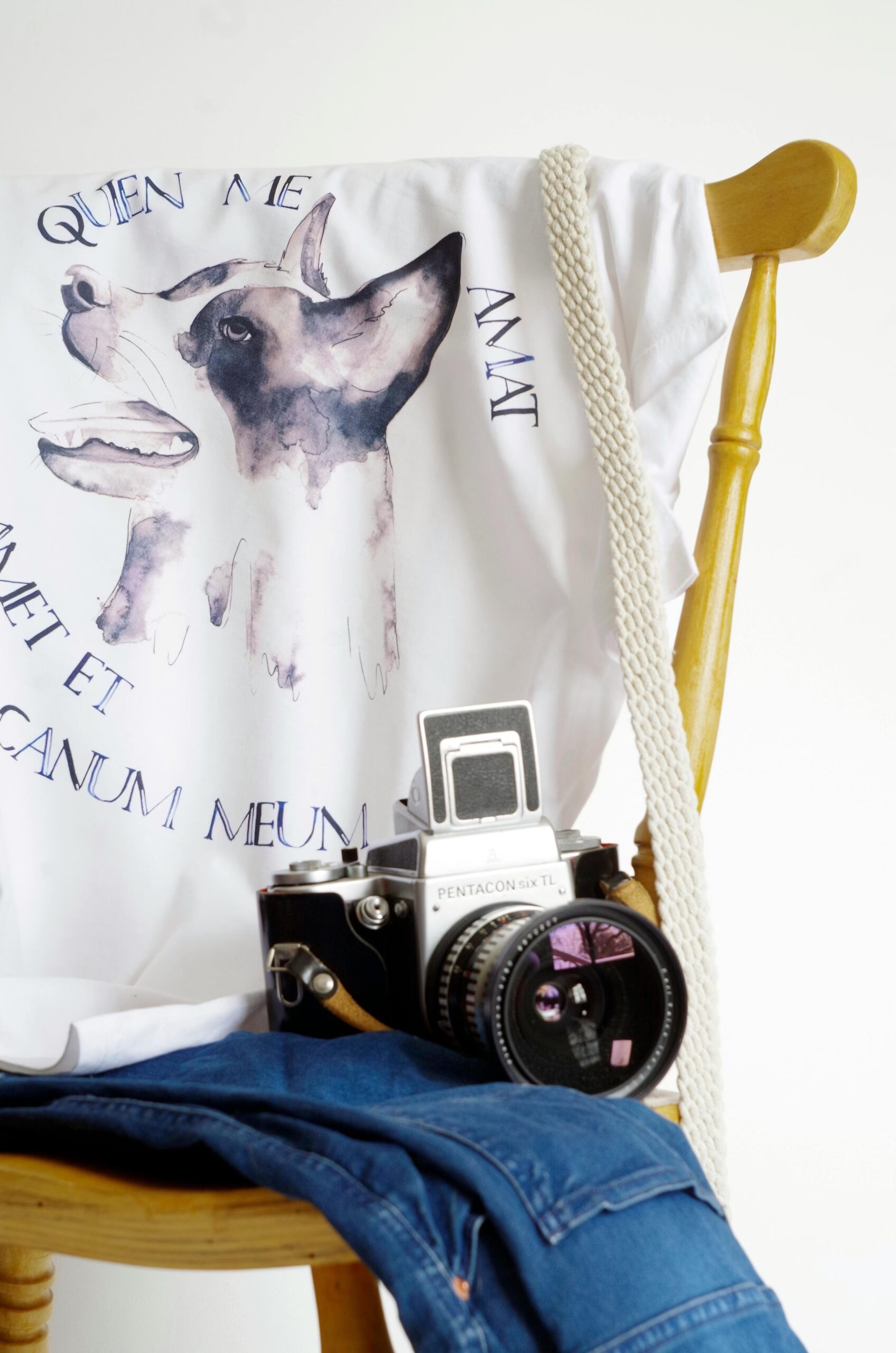
Starting a T-shirt business from home in 2026 is not just about printing designs on fabric and hoping someone buys them.
It is about building something that connects with real people in a way that feels personal and specific and doing that consistently enough for the connection to compound into real income over time.
What I find genuinely exciting about this model is the combination of creativity and practicality it offers.
You are making something that expresses an idea, speaks to a community, and turns that creative work into a real business all from home, with minimal financial risk, and on a timeline that can fit around whatever else your life requires.
That combination is rare in any business model, and it is part of why T-shirt businesses continue to attract serious creators even as the space becomes more competitive.
The steps in this guide give you a clear path from the first niche decision through to scaling what works. None of them are complicated in concept, but all of them require consistent execution over time.
The people who build something meaningful with this model are not the ones with the most design talent or the biggest marketing budget.
They are the ones who chose a clear direction, showed up consistently, and kept improving based on what they learned.
Your design does not need to be perfect before you launch.
Your store does not need to be flawless before you start marketing.
What matters is that you start and then keep going long enough for the work to compound into something real.
Do you have any questions? Drop them in the comments below!
Thank you so much for reading! Share your opinions and perspectives in the comments below to increase the visibility of this article. Subscribe to She Speaks. Business to get more stories like this one.
Best regards,
Fatima K.
Writer. Mother. Dream Builder. Founder.