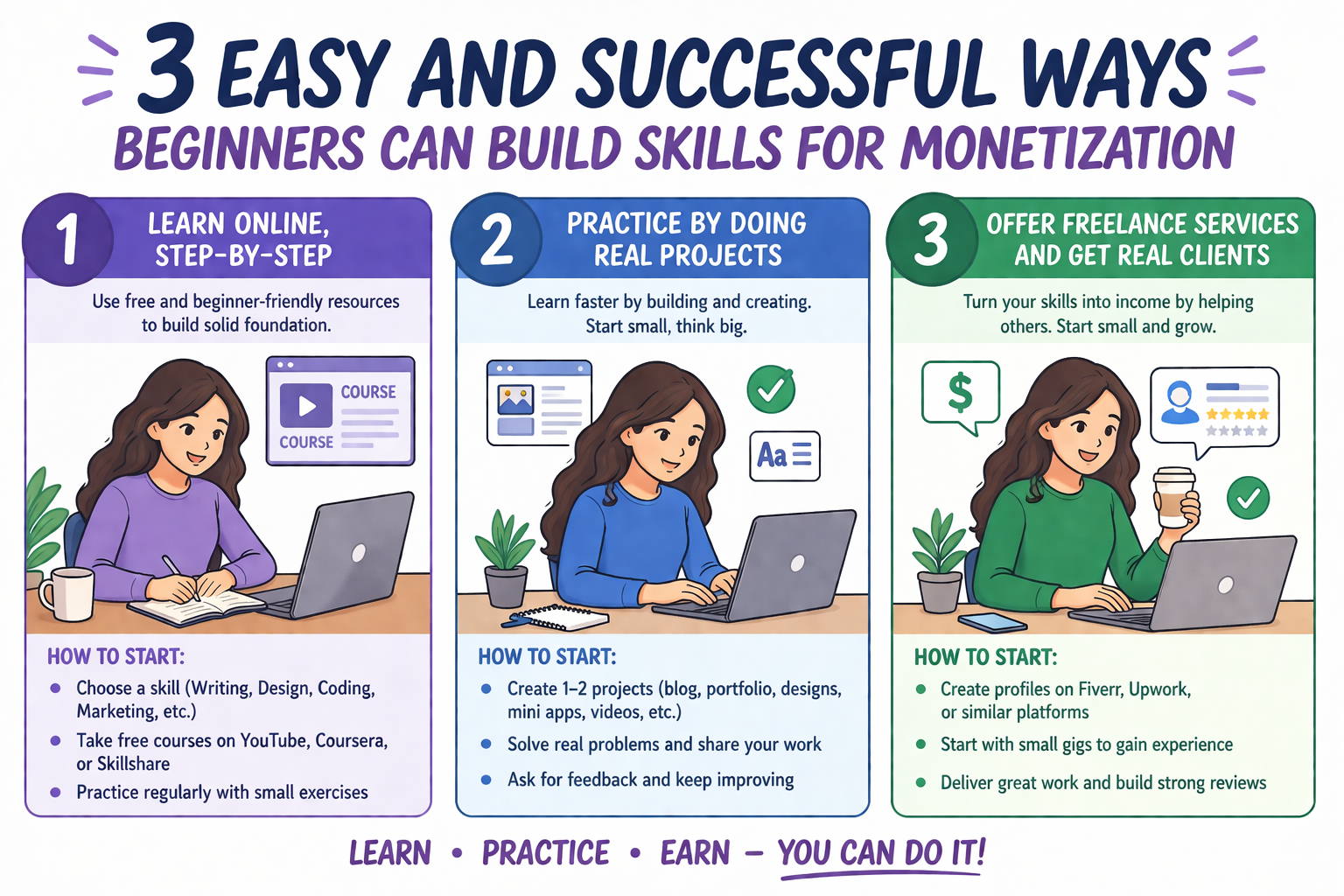
From stay-at-home dads to college students, people from all over the world are searching online income opportunities for themselves, not just to cover their basic expenses, but to build long-term careers that belongs only to them and be able to spend quality time with their family as much as they can.
We all know that how common online work has become, many beginners still hesitate and start overthinking before any single move towards their real goal.
The truth is, I have met some people who don’t trust this idea and ask can we really use our skills to make online passive income.
And i know some people also who feel overwhelmed by the endless options.
If that sounds familiar, you’re not alone.
This guide is written specifically for beginners, people who want to make passive income online honestly, sustainably, and without falling for empty promises.
Instead of making yourself confused with multiple of ideas, if i have to talk about myself i only work on my directions and focus on my actions.
I Promise By the end of this article, you’ll understand:
-
Why starting small is important.
-
How to avoid online money scams.
-
3 beginner-friendly online Skills for Monetization that actually worked For me.
-
How to decide which way suits you best..
The Most Important Points to Remember
Here are the most important points you should remember:
-
The most successful online earners started small and stayed consistent.
-
Online income is real but quick-rich promises are only traps.
-
Beginners learn faster by testing simple methods before scaling.
-
Long-term income beats fast, unstable money every time.
-
You don’t need to be an expert or have degree to start, you need patience, strategies and action.
Why Starting Small Is Important
This is something I used to ask myself
If i start my business with small setup, may be my family, my friends or people in my circle start making fun of me
I used to think I needed to start big to succeed.
Big ideas, big results, fast progress.
But when I looked closely at people who are doing well online today, I noticed something different.
Almost all of them started quietly.
started from nothing.
What we see now is the result.
What we don’t see is what it took to get there.
- Late nights spent learning
- Trying things that didn’t work
- Moving forward even when progress felt slow
- Testing, failing, and trying again
- Staying consistent when nothing was happening
That part is real, even if no one talks about it openly.
Today, I’m grateful that i started small and didn’t expect anything.
It gave me space.
Space to learn without pressure.
Space to make mistakes without fear.
Space to improve without feeling hurried.
Instead of risking everything at once, I was able to understand things step by step.
- I learned how platforms actually work.
- I started understanding what people need.
- I developed real skills through practice.
- I built experience in a way that felt manageable.
And slowly, things started making sense.
If I try to explain it simply, it’s like building a foundation.
If you rush it, things might look fine in the beginning, but they won’t stay strong for long.
But if you take your time, even if it feels slow, what you build becomes stable.
So the real question I had to ask myself was simple.
Am I willing to learn slowly, make mistakes, and keep improving?
Because from what I’ve experienced, that mindset matters much more than luck.
That’s what actually creates something that lasts.
How to Avoid Online Money Scams
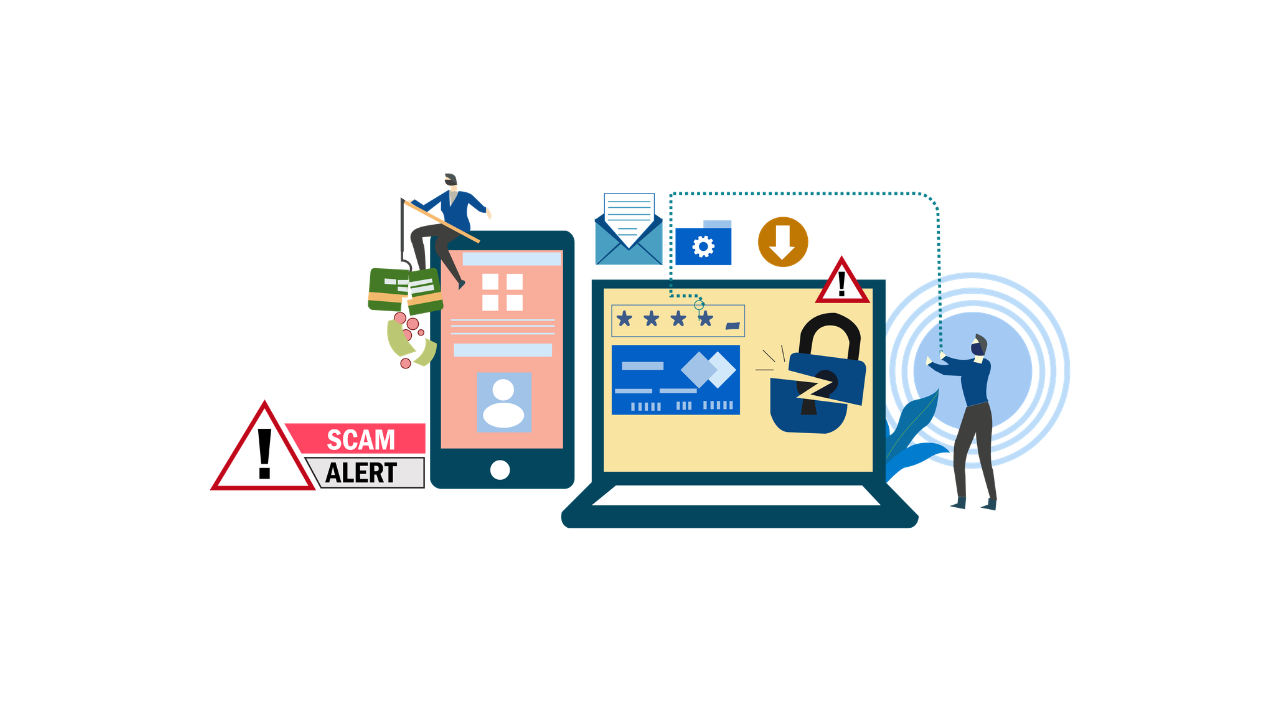
When I started researching ways in google, how to make money online from home.
I was little excited but to be honest also a bit confused.
There were so many offers, so many promises, and everything sounded convincing.
But over time, I realized something important.
The growth of online income has created real opportunities, but it has also created a lot of scams.
And the tricky part is, scams don’t always look fake.
They often look very attractive.
Any offer that promises things like guaranteed fast money, zero effort, instant results, secret systems, or pushes you to act immediately should make you pause.
I learned to take a step back instead of jumping in.
Because most scams don’t work because people are careless.
They work because people are hopeful.
And I understand that feeling.
When you want something to work, it’s easy to believe what sounds good.
So I started following one simple rule.
If something feels too perfect, there is probably something missing behind it.
Real opportunities don’t need to sound unbelievable to convince you.
They make sense.
They feel real.
And they don’t force you to make quick decisions especially in their favor.
From my own experience, I also understood what real online work actually looks like.
- It takes time.
- It requires learning.
- It involves real effort.
And it grows slowly.
There is no shortcut around that.
Another thing that helped me was starting small.
When you start small, you are not emotionally or financially overcommitted.
You can observe, learn, and understand things more clearly.
And that makes it much easier to spot what is real and what is not.
Now I see it this way.
Ethical income might feel slow in the beginning, but it builds something stable.
It gives you peace of mind.
And in the long run, that matters much more than anything that promises quick results.
Read More – 10 Online Fields to Explore for Learning and Skill Development (I Tried These Myself)
3 Beginner-Friendly Online Skills for Monetization That Actually Worked for Me
In the beginning, I just wanted something real that I could start without overthinking.
I just wanted something real.
Something I could start with, learn step by step, and eventually turn into income.
After trying and understanding different options, these are the three paths that made the most sense to me as a beginner.
They are simple to start, practical to learn, and flexible enough to grow over time.
Print on Demand
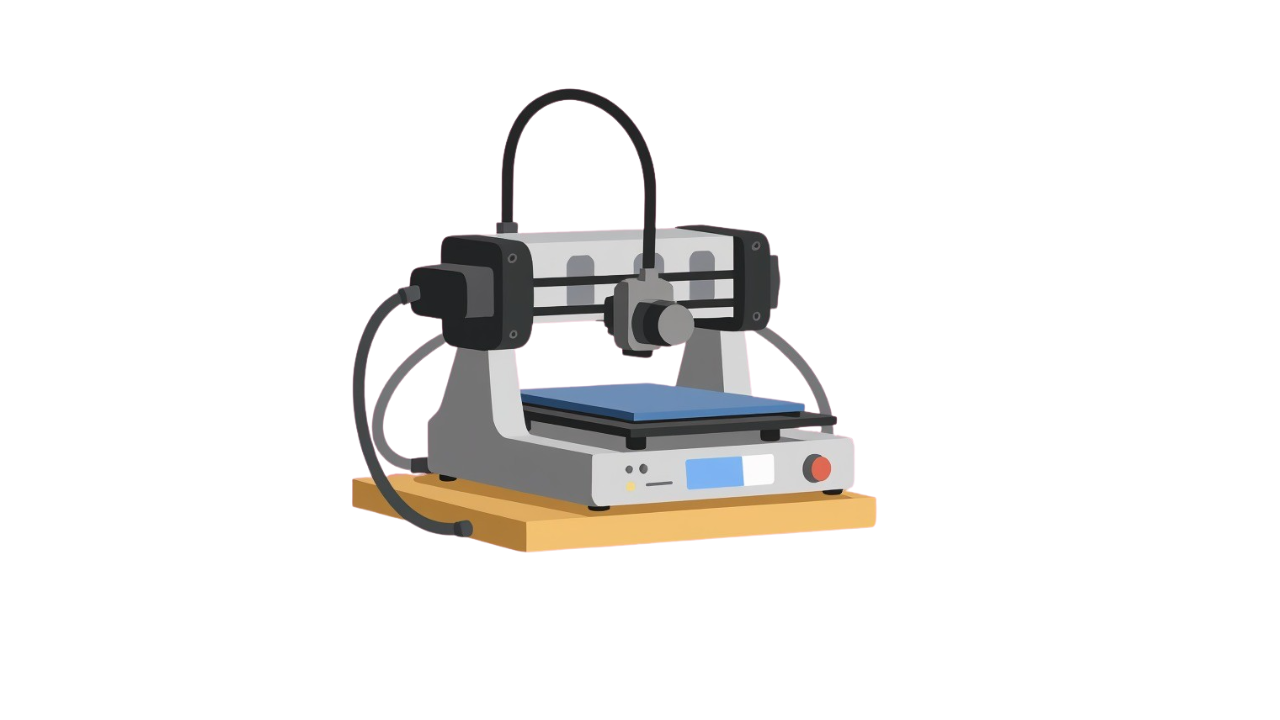
If you enjoy creativity or even just coming up with ideas, print on demand is one of the easiest ways to enter the online space.
The concept is simple.
You create designs, and a third party handles everything else.
Printing, packaging, and shipping.
You can design products like T shirts, hoodies, mugs, phone cases, tote bags, or posters.
What I liked about this model is that you don’t need to invest in inventory.
Whenever an order is placed, the product is created only after that.
That means no stock, no storage, and no shipping stress.
focus only on creating and uploading your designs.
You really don’t need to be a professional graphic designer for your business either.
Simple text based designs or niche ideas can work really well if they connect with the right audience.
To start, you can use platforms like Printify or Printful and create designs using tools like Canva.
For me, this model felt low risk and beginner friendly because I could test ideas without pressure.
WooCommerce Dropshipping
Dropshipping is something I explored after understanding basic online business models.
It works differently.
You create an online store, list products, and focus on marketing.
When someone places an order, your supplier handles storage and shipping.
The reason many beginners are attracted to dropshipping is because you don’t need to invest in inventory and you can sell to a global audience.
But I learned something important here.
Dropshipping is simple to understand, but not easy to master.
It requires product research, testing, patience, and a good understanding of marketing.
If you treat it like a real business and not a shortcut, it can work.
To get started, you can build a store using WooCommerce, choose a niche, find reliable suppliers, and start testing products.
It takes time, but it teaches you how online selling actually works.
Digital Services and Freelancing
This is the path that worked the most directly for me.
Freelancing is one of the most practical ways to start earning online, especially if you are willing to learn a skill.
What I liked about freelancing is that you don’t need money to start.
You need skill.
And even if you don’t have any skills yet, you can learn online through YouTube, you can take online courses from Udemyand improve your progress while working.
Platforms like Fiverr and Upwork make it easier to find clients, even as a beginner.
One thing I understood from experience is that you don’t need to be perfect.
Clients value reliability, communication, and effort.
Your first projects may not pay much, but they help you build confidence and experience.
Over time, freelancing can grow into something bigger like an agency, consulting, or even your own business.
All three of these paths taught me something different.
- Print on demand taught me creativity and testing ideas.
- Dropshipping taught me business thinking and marketing.
- Freelancing taught me real skills and client work.
Start with one plan, stay consistent, follow your productivity plan for 3 months and you will see unexpected results.
Now that you know which skills are valuable, the next question is where to actually learn them effectively.
Best Platforms to Learn Digital Skills in 2026 (Free & Paid Options)
When I started learning digital skills, I felt overwhelmed.
There were too many options, too many courses, and honestly, I didn’t know where to begin.
But over time, I realized something simple.
You don’t need 10 platforms.
You just need 2–3 good ones and consistency.
Here are the platforms that actually help you learn in a clear and practical way.
YouTube Best for Free + Practical Learning ( I PERSONALLY RECOMMEND 100%)
This is where most of my real learning started.
You can learn almost anything here:
- Web design
- SEO
- Freelancing
- Graphic design
- Video editing
The biggest advantage is that it’s completely free and full of real examples.
But one mistake I made was watching random videos.
What actually works is following one proper playlist from start to finish.
Google Digital Garage (Best for Beginners)
If you want structured learning, this is one of the best places to start.
It teaches:
- Digital marketing
- Online business basics
- Career skills
And the best part is, you get certificates as well.
It’s simple, beginner-friendly, and trusted globally.
Coursera (Best for Professional Growth)
When you want more serious and high-quality learning, this is a great option.
Courses are created by universities and companies.
You can learn:
- Data analysis
- Marketing
- IT skills
- Content strategy
You can even learn for free by auditing courses.
FreeCodeCamp (Best for Web Development)
If you are interested in web design or coding, this platform is very powerful.
You don’t just learn theory.
You actually build projects.
- HTML
- CSS
- JavaScript
- Real-world projects
👉 Everything is free and beginner-friendly.
Udemy (Best for Step-by-Step Learning)
This is one of the platforms I personally used.
What I liked is that everything is structured.
- One course
- Clear roadmap
- Practical lessons
There are thousands of courses, and many are affordable.
It’s great when you want direction instead of confusion.
DigiSkills.pk (Best for Pakistan-Based Learners)
If you’re in Pakistan, this platform is very useful.
It offers free courses like:
- Freelancing
- SEO
- WordPress
- Digital marketing
- Graphic design
It’s designed for beginners and focused on real earning skills.
Canva Learn (Best for Design Beginners)
If you are starting with graphic design, this is one of the easiest ways.
You learn while actually creating.
- Social media posts
- Basic design
- Visual content
It’s simple, practical, and beginner-friendly.
What I Personally Learned
I remember, it was challenging but I kept searching for the best platform.
But now I understand something clearly.
The platform is not the main thing.
Your consistency is.
You can learn from free resources.
You can learn from paid courses.
But nothing works if you don’t apply what you learn.
So instead of overthinking:
- Pick one platform
- Choose one skill
- Stay consistent
That’s what actually makes the difference.
Read More – 9 Challenges I Faced as a Businesswoman: My Journey of Growth, Grit, and Grace
What I Learned About Building Digital Skills for Long-Term Income
One of the biggest mistakes I made in the beginning was focusing only on how to start, instead of thinking about how to continue.
Starting always felt exciting.
I would watch videos, read guides, explore ideas, and imagine how everything could work out but after a few days or weeks, that initial motivation would fade.
And that’s usually where most people stop.
Not because online income doesn’t work, but because they are not prepared for what comes after the excitement phase.
Over time, I understood something very important.
Online income is less about talent and more about how you show up every day.
The people who actually succeed are not always the most skilled or creative at the start.
They are the ones who always stay consistent even when they see slow progress.
They treat it like something they are building, not something they are hoping for.
Consistency is more powerful than intensity
One of the biggest lessons I learned is that you don’t need to do everything at once.
Working for long hours in bursts might feel productive, but it rarely lasts.
What actually works is simple and realistic:
- A little effort every day
- One clear focus at a time
- One skill or income stream before moving to the next
Even a small amount of focused work done consistently builds real progress over time.
I really like to think of it like fitness.
You don’t transform your body from one intense session.
You get results from showing up regularly and doing the basics again and again.
Skills are what actually stay with you
Money can come and go, but skills remain.
Whether you are:
- Designing
- Writing
- Managing clients
- Doing marketing
- Building websites
Every experience adds something to your ability.
And what I noticed is that even small freelance projects teach you things no course fully can, like communication skills, handling pressure, understanding clients requirements, and solving real problems.
Those lessons become your real foundation.
Patience changes everything
Most people quit too early.
They try something, don’t see results quickly, and assume it is not working but the reality is, most things just take time to show results.
Platforms need time to trust you.
Skills need time to develop.
Audiences need time to grow.
If you can stay longer than most people, you automatically put yourself ahead.
Focus matters more than doing everything
Another mistake I made was trying too many things at once.
Blogging, freelancing, dropshipping, content creation, everything at the same time.
It felt like progress, but it was actually confusion.
Things became clearer only when I focused on one direction and gave it proper time.
Depth always creates stronger results than scattered effort.
Your mindset decides your progress
At some point, comparison becomes a challenge.
You see other people’s results and start questioning your own pace but what you don’t see is their whole journey.
Behind every success is time, failure, and repetition.
The only comparison that actually helps is your own growth over time.
What I understand now
Working on my digital skills is not only about making passive income quickly.
It was about making something stable over time through consistency, patience, and real experience.
And once you understand that, the pressure starts to reduce and progress starts to feel more natural.
Read More – I Found 6 Pros and Cons of Working Online from Home (With Practical Solutions)
Have questions? Drop them in the comments below!
Thank you so much for reading! Share your opinions and perspectives in the comments below to increase the visibility of this article. Subscribe to She Speaks Business to get more stories like this one.
Best regards,
Fatima K.
Writer. Mother. Dream Builder. Founder.