HomePersonal BrandingWhy Helping People Became My Purpose as a Businesswoman

Why Helping People Became My Purpose as a Businesswoman

Date:

This all started when i realized i love helping people, and before running my business i made a promise to myself that it doesn’t matter that no one was there when i needed help but i will be helpful.

Because i know how it feels, how as a human being we always need some body from anywhere to be our guide, to help us in every possible way.

And i think we all should help each other because this is how we can grow together in this online era.

I didn’t wake up one day and decide I wanted to be a businesswoman and I definitely didn’t start out thinking about profit margins, branding, or online income streams.

Before I ever made my first dollar online, I knew that I loved helping people.

That love showed up in small ways at first.

Answering questions.

Explaining things more than once.

Sharing what I had learned so others wouldn’t feel as confused or stuck as I once did.

Over time, something surprising happened: people started thanking me, trusting me, and asking for more guidance without realizing it, I was already doing the work of a businesswoman—just without calling it that yet.

This is the story of how helping people turned into a career, how purpose and income met in the middle, and why I believe business works best when it starts with service.

Being a businesswoman is not just about making handsome amount of money or building a successful career. It is about having a deeper purpose — something that drives your decisions, shapes your vision, and gives meaning to your work.

For me, being a businesswoman is about growth, contribution, and creating value — not just for myself, but for others as well.

How Helping Others Shaped My Business Mission

When I first started my journey as an entrepreneur, I was focused on one thing: building a business that could make money.

From what I’ve seen while building and observing different journeys, many people struggle… I thought success meant profits, growth charts, and hitting revenue targets but early on, I realized something important—true fulfillment and long-term success come from making a meaningful impact on others.

Helping people solve problems, achieve their goals, or improve their lives became the guiding principle for everything I did.

I remember one of my first projects.

I was hesitant about whether it would even gain traction, but I focused on delivering real value to the clients I worked with.

I spent time understanding their needs, listening to their challenges, and offering solutions that went beyond what they expected.

The results were remarkable—not just for the clients, but for me.

Seeing someone’s business grow, or knowing that my advice saved them time or stress, gave me more motivation than any paycheck ever could.

That experience changed the way I thought about business.

From that moment, helping others became central to my mission.

I realized that a business built around serving people naturally attracts loyalty, trust, and opportunities for growth.

When your goal is to genuinely add value, success becomes a byproduct of your efforts, rather than the sole objective.

This shift in perspective allowed me to design products, services, and strategies that were not only profitable but also truly beneficial for the people I served.

Over time, I noticed a pattern: the businesses that thrived weren’t necessarily the ones with the flashiest marketing or the biggest budgets.

They were the ones that focused on solving real problems and helping their customers achieve meaningful results.

By prioritizing service, empathy, and integrity, I built relationships that lasted and created a reputation that opened doors I hadn’t anticipated.

Helping others became more than just a principle.

It became a simple and practically proven strategy.

This approach also shaped the culture of my team and the way we operate.

When a business mission is grounded in service, every decision from product development to customer support reflects that focus.

It encourages creativity, accountability, and a sense of purpose that motivates everyone involved.

Customers, clients, and team members all recognize the authenticity and commitment behind the work, which strengthens trust and drives long-term growth.

Ultimately, helping others taught me that business isn’t just about transactions.

It’s about transformation.

Whether it’s improving a client’s workflow, educating someone on a new skill, or providing tools that make life easier, the impact we make is what sustains our success.

Today, my mission isn’t just to run a profitable business; it’s to create positive change, empower others, and build solutions that genuinely improve lives.

Looking back, I can see how focusing on helping others shaped every step of my journey.

It gave my work meaning, built lasting relationships, and created a foundation for sustainable growth.

I now understand that the true measure of success isn’t just revenue—it’s the difference you make in people’s lives.

By keeping that principle at the heart of your business, you not only achieve financial goals but also create a legacy of value, trust, and positive impact.

My Perspective

From what I’ve seen, many people start a business with excitement, but over time they lose direction because they never defined their purpose clearly.

It’s easy to get distracted by trends, competition, or the pressure to succeed quickly but when your purpose is clear, it becomes easier to make decisions, stay consistent, and move forward with confidence.

I believe your purpose doesn’t have to be perfect in the beginning — it just needs to be honest and aligned with who you are. You can refine it as you grow.

Helping People Was Never a Strategy—It Was a Habit

Some people are natural sellers.

Others are natural teachers.

I’ve always been the helper.

I was the person friends came to for advice.

The one explaining how something worked.

The one sharing resources, tools, or ideas that might make life easier.

I didn’t see this as a skill at the time—it was just who I was.

But in the online world, those small habits matter.

The internet rewards people who:

  • Explain things clearly
  • Share honest experiences
  • Offer practical solutions
  • Make others feel understood

Without knowing it, I was already building trust and trust is the foundation of every successful business.

What It Means to Be a Businesswoman

For a long time, the word “businesswoman” felt distant to me.

I imagined someone polished, confident, maybe corporate.

Someone with formal training, big investments, or a perfect plan.

I didn’t see myself in that picture at all.

What I eventually learned is this:
A businesswoman is simply someone who creates value and receives income in return.

That’s it.

  • You don’t need to be loud.
  • You don’t need to be aggressive.
  • You don’t need to chase money at all costs.
  • You need to solve problems—real ones—for real people.

Once I understood that, everything shifted.

How Helping Turned Into Income

The transition from “helping for free” to “helping as a business” didn’t happen overnight.

It happened gradually, through small, intentional steps.

First, I shared information openly—blog posts, advice, and personal lessons.
Then, people began asking deeper questions.
Eventually, they wanted structured help, tools, and guidance.

That’s when I realized something important:
People were willing to pay—not because I was selling, but because what I shared genuinely helped them.

Income became a byproduct of service.

A Simple Example

Let me explain this in a simple, real-life way.

Imagine two people starting an online business at the same time.

The first person jumps in with one goal only—to make money.

They follow trends, copy what others are doing, and expect quick results.

In the beginning, they feel excited. But when things slow down—no sales, no engagement, no instant success.

They start to lose motivation.

Doubt creeps in.

Consistency fades and slowly, they give up.

Now, picture the second person.

She starts with a different mindset.

Her goal isn’t just money.

It’s to solve a real problem.

Maybe she wants to help beginners learn online skills, or guide moms to earn from home, or share her journey to inspire others.

At first, her results are also slow.

No big wins.

No overnight success.

But she keeps going.

Because she’s not just chasing income—she’s building something meaningful.

She shows up, shares value, helps people, and learns along the way.

Over time, something powerful begins to happen.

People start trusting her.

They connect with her story.

They come back for her content.

And eventually?

That trust turns into income.

That’s the difference.

When you build only for money, it’s easy to quit but when you build with purpose, you create connection, trust, and something that lasts and in the long run, that’s what leads to real, sustainable success.

Lessons Learned from Purpose-Driven Entrepreneurship

Starting a business with a clear purpose has been one of the most transformative experiences of my life.

When I first embarked on this journey, I thought entrepreneurship was all about profits, growth metrics, and competing with others.

Over time, I learned that businesses built around purpose—helping others, solving real problems, or making a positive impact—often outperform those focused solely on financial gain.

Purpose-driven entrepreneurship isn’t just a moral choice; it’s a practical approach that shapes strategy, culture, and long-term success.

One of the first lessons I learned is that clarity of purpose guides every decision.

When your business is grounded in a mission that matters, it becomes easier to make strategic choices about products, services, and target audiences.

You don’t waste time chasing trends or short-term wins; instead, you focus on initiatives that align with your values and the impact you want to create.

Purpose acts as a compass, keeping your business on track even when challenges arise.

Another important lesson is that purpose builds trust.

Customers, clients, and partners are naturally drawn to businesses that demonstrate authenticity and care.

When people feel that your business exists to genuinely help them or improve their lives, loyalty grows organically.

I’ve found that purpose-driven businesses often enjoy higher engagement, better word-of-mouth referrals, and stronger long-term relationships, which ultimately support financial growth as well.

Purpose-driven entrepreneurship also teaches resilience.

Running a business is never easy, and setbacks are inevitable but when your work is tied to a meaningful mission, challenges feel less like obstacles and more like opportunities to learn and improve.

The motivation to keep going comes not just from profits, but from the impact you are creating for others.

This mindset shift makes perseverance more sustainable and energizes both you and your team.

Collaboration is another key lesson.

Purpose-driven businesses often attract like-minded people—employees, partners, mentors, and even customers—who share your vision.

Building a team that is aligned with your mission creates a culture of commitment, creativity, and accountability.

When everyone in the organization understands and believes in the purpose, it amplifies the business’s reach and effectiveness.

Finally, I’ve learned that purpose drives innovation.

When your goal is to solve real problems or improve lives, you naturally focus on creating better solutions rather than copying what everyone else is doing.

This mindset sparks creativity and encourages experimentation, which can lead to breakthrough ideas and opportunities that others may overlook.

Purpose forces you to think beyond profits and consider how your business can make a meaningful difference, often leading to continous growth and competitive advantage.

A Simple Example of Purpose in Business

Imagine someone starting a clothing brand.

If their goal is only to make money, they may follow trends and compete on price.

But if their purpose is to promote confidence and identity, they will build a brand that connects emotionally with their audience.

Purpose-driven entrepreneurship has transformed not only my business but also my approach to life.

It taught me that success isn’t just measured in revenue or growth charts.

It’s measured by the impact you create, the relationships you build, and the value you provide to others.

Focusing on purpose has helped me stay motivated, make smarter decisions, and create a business that I’m proud of.

In the end, the biggest lesson is this: when you put purpose at the center of your entrepreneurship journey, profits follow naturally, but more importantly, you create something lasting and meaningful.

Your business becomes more than a source of income.

It becomes a platform for change, growth, and positive impact.

Purpose-driven entrepreneurship isn’t just a strategy.

It’s a mindset that shapes everything you do, and it’s one of the most powerful ways to build a business that truly matters.

Serving Customers and Community

One of the most important lessons I’ve learned as an entrepreneur is that the heart of any successful business is service—service to customers and to the broader community.

When you focus on genuinely helping people, your business becomes more than a way to make money; it becomes a platform for creating real value and making a difference in people’s lives.

Over time, this approach not only builds trust and loyalty but also drives long-term growth and sustainability.

Serving customers effectively goes beyond simply delivering a product or service.

It means listening to their needs, understanding their challenges, and providing solutions that genuinely improve their lives.

When customers feel heard and valued, they are more likely to return, recommend your business to others, and engage with your brand on a deeper level.

In my experience, businesses that prioritize customer service cultivate lasting relationships that become the foundation for growth and reputation.

Equally important is serving the community.

A business doesn’t operate in isolation; it exists within a network of people, organizations, and environments that influence and support its growth.

By contributing positively to the community—whether through charitable initiatives, educational programs, or local partnerships.

You create goodwill and demonstrate that your business cares about more than just profits.

This kind of engagement fosters a sense of connection, purpose, and responsibility that resonates with customers, employees, and partners alike.

Focusing on service also inspires innovation.

When you pay attention to the real problems people face, you naturally think of ways to improve, simplify, or enhance your offerings.

Many of the most successful ideas in my business came from listening to customer feedback or observing gaps in the community that needed solutions.

Serving others provides solutions, guidance, and motivation that purely profit-driven decisions often lack.

Moreover, a service-oriented approach builds trust and credibility.

Customers and community members recognize authenticity, and when they see that your business prioritizes their needs and the greater good, they become advocates for your brand.

This trust often translates into loyalty, repeat business, and organic word-of-mouth marketing.

Things that no amount of marketing alone can replicate.

Finally, serving others brings personal fulfillment and purpose to your work.

Business can be stressful or feel like a transaction at times, but when you see the good things you’re doing, like helping a customer succeed, supporting a local cause, or making a community stronger, it gives every decision and effort more meaning.

This sense of purpose fuels motivation, resilience, and long-term commitment, all of which are essential for sustaining a successful business.

In the end, the impact of serving customers and the community goes far beyond immediate sales or profits.

It shapes your business culture, strengthens relationships, inspires innovation, and establishes a legacy of trust and positive change.

By placing service at the core of your business mission, you not only help others thrive.

You also create a business that grows stronger, more respected, and more sustainable over time.

Here’s How to Build a Purpose-Driven Business in 6 Ways

Building a purpose-driven business doesn’t begin with a logo, a website, or even an idea.

It begins with a feeling.

The realization that you want to create something that actually matters.

Not just something that makes money, but something that means something.

Let me walk you through how that journey usually unfolds.

1. Start with your “why”

At the beginning, there’s always a question:

Why do I want to do this?

Not for trends.

Not for quick money.

But something deeper.

Maybe you want freedom.

Maybe you want to help others.

Maybe you’re tired of living without direction.

That “why” becomes your foundation because when things get hard—and they will—that reason is what keeps you going.

2. Turn your experiences into value

Most people overlook this part.

They think they need something extraordinary to start but the truth is, your story, your struggles, your lessons

These are your biggest assets.

What have you learned that could help someone else?

When you start sharing value based on real experience, people connect with it.

Because it’s honest.

It’s real and that’s how trust begins.

3. Choose a direction, not perfection

At some point, you realize you can’t do everything at once.

So you choose a direction.

Not because it’s perfect but because it’s a starting point.

Maybe you begin with writing.

Or teaching.

Or creating content.

Or offering a simple service.

It doesn’t have to be big.

It just has to be real.

Clarity doesn’t come before action—it comes because of it.

4. Focus on helping, not selling

This is where most people get it wrong.

They start thinking, “How can I make money?”

But purpose-driven businesses grow differently.

They ask, “How can I help?”

When you focus on solving real problems, money becomes a result—not the goal.

People don’t pay for products.

They pay for solutions, trust, and value.

5. Build consistency, not hype

There will be moments when you feel invisible.

No likes.

No sales.

No big results.

This is where most people quit.

But the ones who succeed?

They keep showing up.

They post.

They learn.

They improve. Even when no one is watching.

Because they understand something powerful: consistency builds momentum.

6. Let it grow into something bigger

Over time, something changes.

What started as a small idea begins to grow.

  • Your skills improve.
  • Your audience grows.
  • Opportunities appear.

And one day, you realize it’s no longer just an idea.

It’s a business.

A real one. Built with intention, patience, and purpose.

A purpose-driven business is not built in a rush.

It’s built slowly with clarity, honesty, and consistent effort.

You don’t need to have everything figured out.

You just need to start with meaning… and keep going because when you build something that truly matters, success doesn’t just follow

It lasts.

READ MORE – Building Legacies: Why Businesses Need More Women Leaders Now More Than Ever

How You Can Turn Helping People into a Business Strategy

One of the most powerful lessons I’ve learned as an entrepreneur is that helping people isn’t just a moral choice—it can also be a highly effective business strategy.

When you focus on solving real problems, meeting needs, and adding genuine value, you naturally create opportunities for growth, customer loyalty, and long-term success.

Turning helping others into a strategic approach begins with mindset, intention, and thoughtful planning.

The first step is understanding your audience.

To help people effectively, you need to know who they are, what challenges they face, and what solutions they are seeking.

Conduct research, ask questions, and actively listen to your potential customers or clients.

The insights you gather will guide your products, services, and messaging, ensuring that everything you create addresses real needs rather than assumptions.

Next, integrate service into your business model.

For example, if you offer a product, consider how you can make it more useful, easier to access, or more supportive of your customer’s goals.

If you provide services, focus on solutions that solve meaningful problems and enhance your clients’ lives.

By putting value first, you not only meet immediate needs but also build a reputation as a business that genuinely cares.

Communication is another key element.

Share your knowledge, expertise, and resources freely whenever possible.

Educational content, tutorials, and helpful advice can position your business as an authority while genuinely assisting people.

For example, blog posts, videos, or webinars that teach something valuable attract an audience, build trust, and can naturally lead to customers who appreciate your expertise.

Customer support is also an extension of helping people.

Prompt responses, personalized solutions, and proactive problem-solving show clients and customers that your business prioritizes their success.

This creates loyalty, positive reviews, and referrals—critical factors that strengthen any business.

People are more likely to buy from and recommend a company that consistently demonstrates care and reliability.

Additionally, think beyond individual customers to the broader community.

Supporting initiatives, contributing to causes, or creating programs that benefit your audience or local communities adds another layer of impact.

Businesses that are seen as giving back tend to inspire stronger connections, attract like-minded clients, and establish a positive reputation in their industry.

Finally, measure the results of your service-oriented strategy.

Tracking engagement, feedback, and customer satisfaction helps you understand the impact of your efforts and refine your approach.

Over time, you’ll notice that focusing on helping people doesn’t just make your business more ethical—it makes it more profitable, sustainable, and scalable.

Turning helping people into a business strategy is about more than goodwill—it’s a strategic advantage.

By genuinely solving problems, adding value, and building trust, you create loyal customers, a strong brand, and long-term growth.

Helping others becomes both your mission and your roadmap to success.

Why Ethical Business Matters to Me

I’ve seen the other side of online business too.

  • Overpromising.
  • Fake success stories.
  • Pressure tactics.
  • Get rich quick claims that leave people disappointed and discouraged.

That approach never sat right with me.

Helping people means being honest—even when honesty doesn’t sound glamorous. It means saying:

  • This takes time
  • This isn’t guaranteed
  • This requires effort

Ethical business builds slower, but it lasts longer.

And more importantly, it lets you sleep at night knowing you didn’t mislead anyone to make a sale.

READ MORE – How I Started My Affordable Web Design Business From Home

The Power of Building Trust Online

Trust is currency in the digital world.

People don’t just buy products or services from you.

They buy confidence, clarity, and reassurance.

They want to know:

  • You understand their problem
  • You’ve walked the path yourself
  • You’re not hiding anything

You build connections and loyalty by showing up regularly and sharing real experiences, even the bad ones.

Helping people honestly builds something far more valuable than a quick sale: a long-term relationship.

Helping Beginners Changed Everything

One of the most meaningful shifts in my business came when I focused on beginners.

  • People who felt overwhelmed.
  • People who didn’t know where to start.
  • People who had been burned by bad advice before.

Instead of talking at them, I talked with them.

I remembered what it felt like to be confused.

To doubt myself.

To wonder if online income was even real.

That empathy shaped everything I created afterward.

Helping beginners taught me patience—and patience built my business.

Business Doesn’t Have to Be Loud to Be Successful

There’s a lot of noise online.

  1. Big claims.
  2. Fast results.
  3. Constant selling.

But there’s also a quieter path.

One built on:

  • Clear explanations
  • Small wins
  • Steady progress
  • Respect for the audience

This approach doesn’t always go viral—but it builds something stronger: credibility and credibility attracts the right people.

Turning Purpose Into Sustainability

Loving what you do doesn’t mean ignoring money.

Purpose without sustainability leads to burnout.

Sustainability without purpose leads to emptiness.

The balance matters.

I learned to:

  • Price my work fairly
  • Value my time
  • Say no when necessary
  • Build systems that support growth

Helping people can be emotionally rewarding—but it also needs boundaries.

Running a business means protecting your energy so you can keep showing up.

READ MORE – How to Build a Personal Brand on LinkedIn (Step-by-Step Guide)

Why Helping People Became My Purpose as a Businesswoman

What Helping People Has Taught Me About Success

Success looks different when service is the foundation.

  • It’s not just about income—it’s about impact.
  • Not just growth—it’s about alignment.
  • Not just visibility—it’s about trust.

Helping people taught me that:

  • Small actions compound
  • Consistency beats perfection
  • Listening matters more than talking
  • Real success feels calm, not chaotic

Advice for Women Who Want Purpose and Profit

If you’re someone who loves helping others but struggles to see how that fits into business, here’s what I’ve learned:

You don’t need to change who you are.
You need to build around who you are.

Start with:

  • What people already ask you for
  • What problems you naturally help solve
  • What you’ve learned through experience

Your personality is not a weakness in business—it’s your edge.

Why I’ll Always Lead With Service

Trends change. Platforms change. Algorithms change.

But people don’t.

  • They still want honesty.
  • They still want clarity.
  • They still want guidance from someone who actually cares.

Helping people isn’t a marketing tactic for me.

It’s the reason I started and the reason I’ll keep going.

Because when business is built on service, growth feels meaningful.

And when growth feels meaningful, success lasts.

What I Want This Business to Stand For

As my journey continues, the vision behind my work has become clearer.

I don’t want to build something flashy or loud.

I want to build something reliable.

Something people can come back to when they feel stuck, uncertain, or overwhelmed.

In a world full of noise, being a steady voice matters.

Helping people long-term means staying grounded.

It means continuing to learn, adapting when things change, and listening more than speaking.

Online business never stands still, and neither can we but growth doesn’t have to feel frantic.

It can be thoughtful, intentional, and aligned with real life.

I want this business to remain a place where beginners feel safe asking questions.

Where no one feels embarrassed for not knowing something.

Where progress is celebrated, even when it’s slow.

Everyone starts somewhere, and no one should feel behind simply because their timeline looks different.

Creating Space for Honest Conversations

One thing I value deeply is honesty especially in online spaces where so much is filtered or exaggerated.

I want to keep sharing both the wins and the lessons.

Not every idea works.

Not every month looks the same and that’s okay.

Honest conversations help people trust themselves again.

They learn that mistakes don’t mean failure; they mean experience.

When we normalize learning curves, people stay longer, try harder, and grow with confidence.

This is especially important for women, parents, and caregivers who often feel pressure to do it all perfectly.

There is no perfect way.

Just for me.

Common Mistakes When Finding Your Purpose

  • following trends instead of values
  • focusing only on money
  • comparing your journey with others

Building a Community, Not Just Content

Over time, my goal is to build more than articles or guides.

I want to build a community, one rooted in mutual respect, shared learning, and encouragement.

A place where people support each other, share insights, and celebrate progress together.

Business feels different when it’s not lonely.

When people realize they’re not the only ones figuring things out, the journey becomes lighter that sense of connection is powerful, and it’s something I want to nurture intentionally.

Why Purpose Will Always Lead the Way

No matter how technology changes or new opportunities emerge, my direction remains the same.

Purpose will always come first.

Helping people isn’t something I do on the side.

It’s the heart of everything I create.

When purpose leads, decisions become easier. Opportunities feel clearer and success feels meaningful, not empty.

This business exists because people matter and as long as that stays true, the work will continue to grow in the right direction.

A Simple Example of Purpose in Business

For example, two people may start a business in the same industry.

One focuses only on making money, while the other focuses on solving a real problem for their audience.

Over time, the second business builds stronger trust, deeper connections, and long-term growth because it is driven by purpose, not just profit.

What You Can Do Today

If you’re still finding your purpose as a businesswoman.

Let me tell you something honestly

You don’t need all the answers right now.

Most women don’t start with clarity.

They start with a feeling.

A feeling that they want more… more meaning, more freedom, more control over their life and that’s enough to begin.

Start by sitting down with yourself, even if it’s just for a few quiet minutes, and write down why you want to start.

Not what others expect.

Not what looks good online.

But your real reason.

  • Maybe it’s financial independence.
  • Maybe it’s supporting your family.
  • Maybe it’s proving to yourself that you can build something of your own.

Whatever it is be honest about it then, gently shift your focus outward.

Ask yourself: what is one problem I genuinely care about?

Not ten problems.

Not something complicated.

Just one.

It could be something you’ve personally experienced.

Something you understand deeply.

Something you wish someone had helped you with earlier.

That’s where meaningful businesses begin and finally, this is the most important part

take one small action this week.

Not a big leap. Not a perfect plan.

Just one step.

  • Maybe you write your first idea.
  • Maybe you create a simple post.
  • Maybe you start learning a skill.

It might feel small, but it matters more than you think.

Because here’s the truth most people don’t realize:

You don’t find clarity before you start.

Clarity comes because you start.

READ MORE – How to Start a Profitable T-Shirt Business from Home (2026 Beginner Guide)

Follow These 5 Steps to Find Your Purpose

Finding your purpose doesn’t usually happen in one big moment of clarity.

It uncovers slowly through experiences, questions, and small realizations.

Most people don’t discover it overnight… they build it over time.

Let me walk you through it in a simple, real way.

1. Pay attention to what excites you

It often starts with the little things.

The topics you enjoy reading about.

The kind of work that doesn’t feel draining.

The activities that make you lose track of time.

At first, these may seem random or unimportant but when you look closely, patterns begin to appear.

Those patterns are clues.

Your purpose is often hidden in what naturally pulls your attention.

2. Notice what you’re naturally good at

You don’t need to be perfect at something to recognize it as a strength.

Maybe you explain things clearly.

Maybe you’re creative.

Maybe you’re organized or good at solving problems.

These abilities might feel normal to you but they are valuable.

Purpose is not just about passion.

It’s also about using your strengths in a meaningful way.

3. Understand what problems you care about

At some point, the focus shifts from yourself to others.

What kind of problems do you feel connected to?

Maybe it’s helping people learn, supporting small businesses, improving mental health, or creating opportunities for others.

Purpose often grows where your skills meet a real need in the world.

4. Take small actions and experiment

Clarity doesn’t come from thinking alone, it comes from doing.

Try different things.

Start small projects.

Test ideas.

Learn by experience.

You don’t need a perfect plan.

You just need to start right now.

Every small step teaches you something and slowly, direction becomes clearer.

5. Be patient and allow it to evolve

Your purpose is not fixed.

What feels right today may change as you grow, learn, and experience more of life.

And that’s completely normal.

Instead of chasing a perfect purpose, focus on building a meaningful ways.

one step at a time.

Purpose isn’t something you suddenly find.

It’s something you create personally.

By following what excites you, using your strengths, helping others, taking action, and staying patient, you gradually build a life that feels aligned and meaningful and that’s what purpose really is.

Final Thoughts: Helping People Is the Business
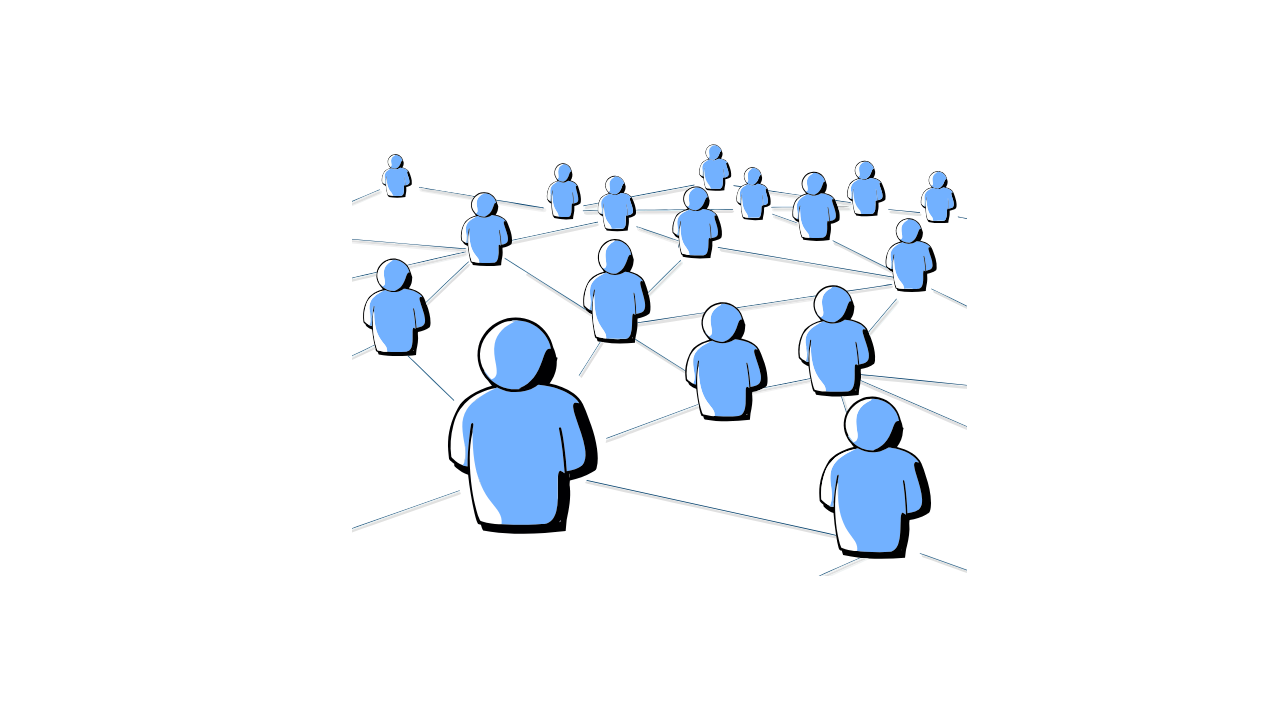
I love helping people as a businesswoman because it allows me to be fully myself no mask, no pressure to perform, no need to pretend.

It reminds me that:

  • Business can be human
  • Income can be ethical
  • Success can be shared

My purpose as a businesswoman is not just about achieving success, but about growing, learning, and creating something meaningful.

It’s about building a path that reflects who I am, while also contributing value to others.

If you’re on your own journey, remember this:

You don’t need to have everything figured out. Start where you are, stay consistent, and allow your purpose to evolve with time.

Because in the end, success is not just about what you build —
it’s about why you build it.

Helping people didn’t just become my career.
It became my way of doing business.

Have questions? Drop them in the comments below!

Thank you so much for reading! Share your opinions and perspectives in the comments below to increase the visibility of this article. Subscribe to She Speaks Business to get more stories like this one.

Best regards,
Fatima K.
Writer. Mother. Dream Builder. Founder.

Syeda Fatima Kazmi
Syeda Fatima Kazmihttps://shespeaksbusiness.com
Hi! I’m Syeda Fatima Kazmi, the voice behind She Speaks Business. I’m passionate about sharing practical tips on entrepreneurship, personal branding, and professional growth. Through my platform, I love helping aspiring entrepreneurs and professionals build confidence, develop their skills, and navigate today’s business world with clarity and purpose.

LEAVE A REPLY

Please enter your comment!
Please enter your name here

Related articles:

Myths vs Reality: How to Build an Online Career Effectively in Pakistan

Building an online career in Pakistan sounds like a...

The Business of Many Passions: How I Turned Curiosity into Opportunity

Let's be real, after having massive achievements in my...

9 Challenges I Faced as a Businesswoman ( My Journey )

First Things First Starting and running a business as a...

7 Principles That Helped Me Build a Successful Online Business in 2026

The Foundation of Every Successful Business Every successfully growing business...

For Collaborations & Promotions

Want Fatima’s full attention? Want to know the mindset behind what I do and get clear, personalized guidance to grow your business and personal brand.