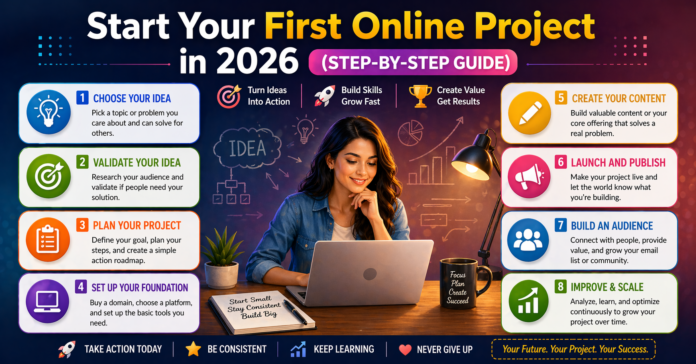
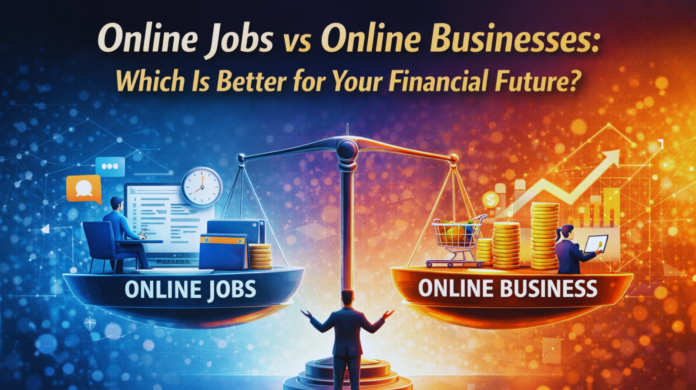
Do you know building something from nothing is never easy especially choosing a bootstrapped business which makes it even more challenging and rewarding at the same time.
I didn’t have investments.
I didn’t have connections.
Let me be honest with you.
There was a time when I had no idea how people were actually making money.
I would scroll through posts, watch videos, and read success stories but instead of feeling inspired, I felt confused.
Everyone seemed to be making money.
Everyone had a method.
And everyone made it sound easy.
But when I started following those paths for myself, nothing really worked.
I tried one idea to another freelancing one week, blogging the next, then looking into different online businesses.
It felt like I was doing a lot, but in reality, I wasn’t moving forward.
So What was the biggest problem?
I realized that
I didn’t have direction.
I didn’t have clarity.
And I was chasing results without understanding the process.
At one point, I even started questioning myself:
Is this even real?
Am I wasting my time?
But deep down, I knew something was missing—not opportunity, but the right approach.
Things started to change when I stopped looking for shortcuts and started focusing on learning real, practical skills daily.
Here’s the thing what I had was a laptop, internet access, and a strong desire to build something of my own and some productive hours to make money with hard and smart work for myself.
Instead of trying everything, I decided to understand what actually works in the long term.
that shift didn’t bring instant results but it brought something more important:
Discipline
Confidence
And a sense of direction
and from there, progress finally started to happen.
In this guide, I’m not going to give you unrealistic promises or overnight success ideas.
Instead, I’ll share what actually worked for me—step by step—so you can start your journey with a clearer path and fewer mistakes.
Because if you’re feeling confused right now, I understand.
I’ve been there.
And the good news is—there is a way forward.
Today i’m sharing with you my real story of building a bootstrapped business without any investment but with practical lessons, strategies, and mistakes you can avoid.
so if you’re aiming for Google AdSense approval or long-term blogging business like me, I have created this content as a helpful guide, it will give you a clear, realistic roadmap.
let’s begin
Table of Contents
ToggleWhat Does Bootstrapped Mean in Business?
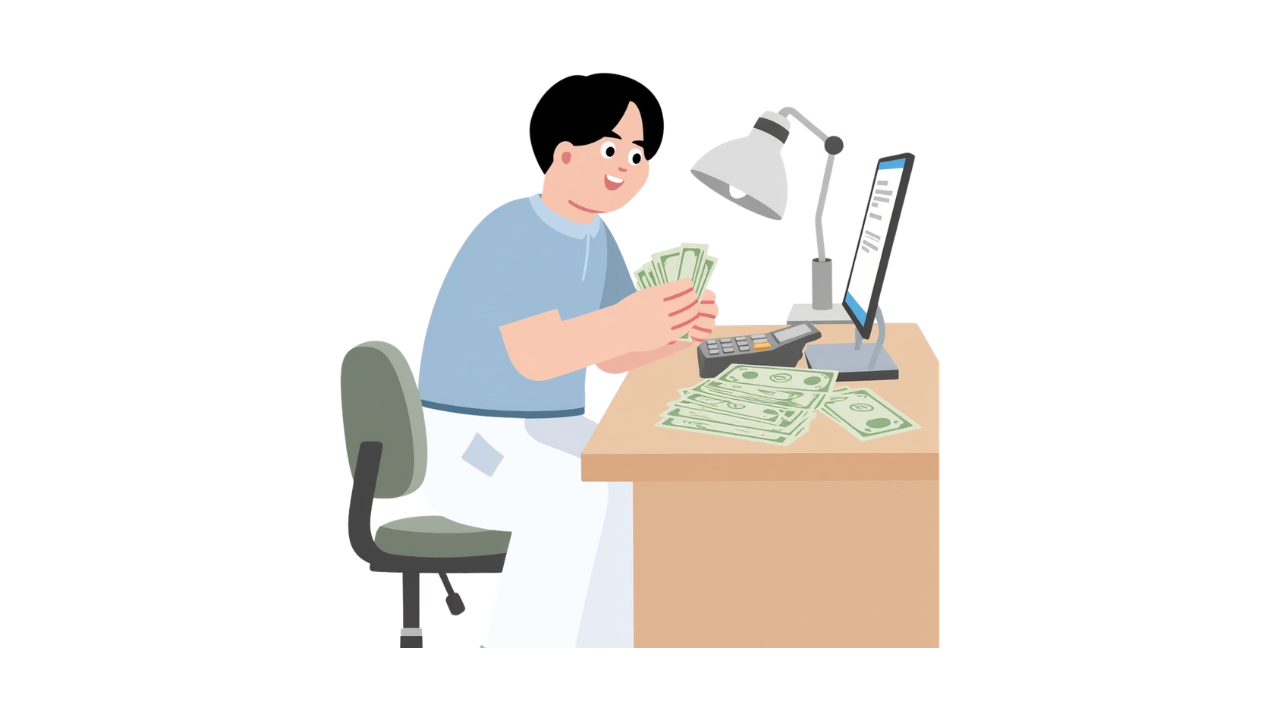
Before starting my own blogging business and other businesses i researched alot and what i have found out is:
A bootstrapped business is one that is built without external funding.
Instead, you rely on:
- Personal savings
- Revenue generated from customers
- Low-cost tools and strategies
Why Bootstrapping Is Powerful
- You keep 100% ownership
- You grow at your own pace
- You focus on profitability from day one
Sounds great isn’t it?
Yes it is.
Why I Decided to Bootstrap My Journey
I didn’t have access to investors and honestly, I didn’t feel need of them to start something of my own.
I wanted:
- Freedom to experiment
- Control over decisions
- A profitable business model
And that’s exactly what bootstrapping gave me.
My Journey as a Bootstrapped Founder (7 Phases)
Now I am sharing you my 7 phases of a bootstrapped journey
Phase 1: Starting from Zero

My Initial Situation
When I first decided I wanted to earn online, my situation was honestly very common—but also very frustrating.
👉I had the motivation.
👉I had the time.
👉I had the desire to change my situation.
But what I didn’t have was consistent productive routine and focus.
I didn’t know where to start.
I didn’t know which skills actually mattered and most importantly, I didn’t know which opportunities were real and which ones were just hype.
Everywhere I looked, there were different suggestions:
- Start dropshipping.
- Try freelancing.
- Create a YouTube channel.
- Invest in crypto.
It felt like I was surrounded by opportunities but none of them felt clear or practical.
So what did I do?
👉 I did a little bit of everything.
And that was my biggest mistake.
Instead of focusing on one path, I kept switching.
I would start something, get confused or discouraged, and then move on to the next better idea.
At the time, it felt like I was exploring but in reality, I was just avoiding commitment.
Another challenge I faced was information overload.
There was so much content online that it became overwhelming.
Everyone had advice, strategies, and systems but no one really explained what a beginner should actually do first.
I also fell into the trap of thinking:
👉 Maybe I just need the perfect idea.
But the truth was, I didn’t need a perfect idea I needed a clear direction and consistent action.
Financially, I wasn’t in a position to invest a lot of money either that made me hesitate even more.
I thought:
I can’t start without money.
But later, I realized that belief was holding me back more than anything else.
Looking back now, my initial situation wasn’t unique but it was real:
- Confused about where to start
- Overwhelmed with too many options
- Constantly switching between ideas
- Waiting for the perfect moment
And if you’re in a similar place right now, let me tell you something honestly:
👉 There is nothing wrong with you.
You’re just at the beginning and the beginning is always messy.
The turning point came when I stopped trying to do everything and started focusing on one clear path.
That’s when things slowly started to change.
When I started, I had:
- No money
- No experience
- No clear business idea
What I Focused On First
In the beginning, I made a mistake that most people make I kept jumping from one idea to another.
One day i planned to start a dropshipping business, the next day it was YouTube, then something else.
It felt productive, but in reality, I was just confused.
Everything changed when I stopped chasing random ideas and asked myself a simple question:
👉 What skills can actually make me money?
That’s when I shifted my focus to monetizable skills, skills that people are already paying for.
1. SEO Content Writing
This was the first skill I took seriously, and honestly, it opened many doors for me.
I realized that businesses, blogs, and websites are always looking for content that ranks on search engines.
It’s not just about writing, it’s about writing with purpose.
Through SEO content writing, I learned:
- How people search for information
- How to create content that solves real problems
- How to attract organic traffic over time
💡 My experience: My early articles weren’t perfect, but they helped me understand structure, keywords, and value-driven writing.
Slowly, I improved and so did my confidence.
👉 Why it matters: This skill can help you earn through freelancing, blogging, and even building your own online platform.
2. Basic Digital Marketing
Once I understood content, the next step was learning how to promote and position it.
Digital marketing helped me understand:
- How social media platforms work
- How to reach the right audience
- How to turn attention into opportunities
I didn’t try to master everything.
I started small, learning how content performs, how engagement works, and how consistency builds visibility.
💡 Key lesson: You don’t need advanced strategies at the start. Even basic knowledge can help you stand out from beginners who ignore marketing completely.
3. Freelancing Fundamentals
This is where everything became practical.
Learning a skill is one thing—but knowing how to sell it is what actually brings income.
Freelancing taught me:
- How to create a simple profile
- How to communicate with clients
- How to deliver work professionally
- How to handle feedback and improve
At first, I took small and low-paid work not because I had to, but because I needed experience and proof.
💡 Realization: Your first few projects are not about money—they are about building confidence and credibility.
What Changed After I Focused on Skills
Instead of feeling lost, I finally had:
- Direction
- A clear skill path
- A way to actually start earning
And most importantly, I stopped relying on luck.
Here’s What I Recommend
If you’re just starting, here’s what I recommend:
✔ Pick one monetizable skill (don’t try to learn everything)
✔ Spend 2–3 weeks learning the basics
✔ Practice with small projects (even unpaid at first)
✔ Start offering your service, even at beginner level
✔ Improve with every task you complete
What I’ve Learned (Practical Tip)
The biggest mistake beginners make is trying to start a business without skills.
You don’t need 10 different ideas.
You need one skill that works.
Because once you build that foundation, everything else—income, confidence, and opportunities—starts to follow.
A bootstrapped journey starts with skill-building first, income second, and business third.
Phase 2: Freelancing as My First Income Source

Freelancing became my first income source.
Platforms I Used:
- Fiverr
- Upwork
- Facebook communities
Mistakes I Made
- Charging too low
- Working without contracts
- Accepting every client
What Actually Worked for Me
- Niching down into SEO blog writing
- Creating optimized gig descriptions
- Delivering high-value content
Within months, I built a steady passive income online my first real step in a bootstrapped business model.
Phase 3: Transitioning to a Founder Mindset
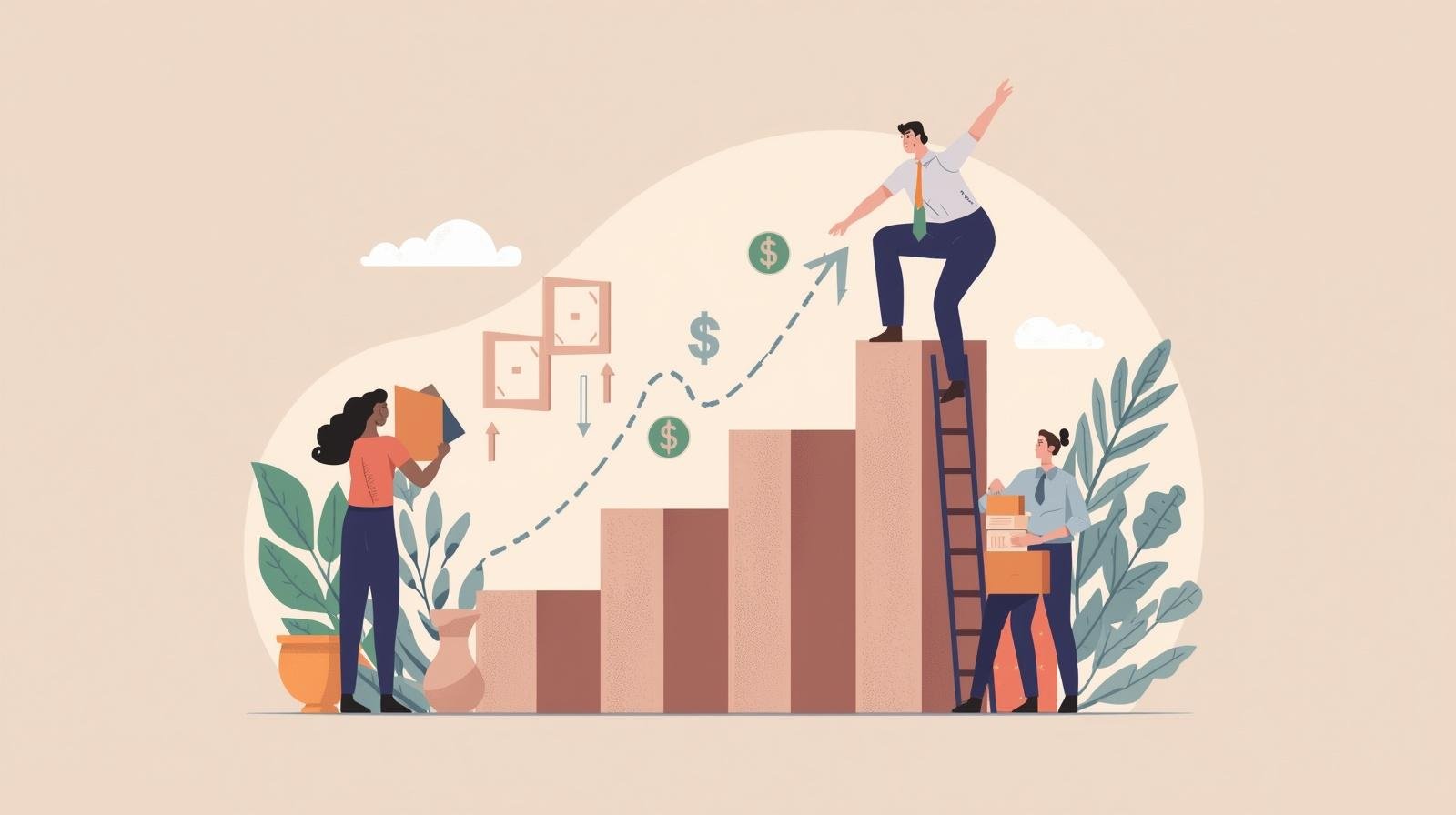
Freelancing is great but it’s not scalable.
I realized:
If I stop working, I stop earning.
That’s when I shifted my mindset.
Freelancer vs Founder (Table)
| Freelancer | Bootstrapped Founder |
|---|---|
| Sells time | Builds assets |
| Active income | Passive income |
| Short-term work | Long-term systems |
My Strategy Shift
I started.
- Building a blog
- Creating SEO-driven content
- Thinking about long-term monetization
Phase 4: Building My Blog (Turning Point)

Blogging became the backbone of my bootstrapped journey.
I always wanted to write my words and share it to the world and become the voice that can help others to achieve their goals or as an inspiration to conquer the world.
Why Blogging Is Great for Bootstrapped Businesses
When I started exploring online business models, blogging was one of the first things I seriously looked into mainly because I didn’t have a big budget to invest.
And over time, I realized something important:
Blogging is one of the few business models where you can start small, grow slowly, and still build something meaningful without heavy upfront costs.
That’s why it works so well for bootstrapped businesses.
Low Startup Cost
From my own experience, this is one of the biggest advantages.
You don’t need a big setup, inventory, or expensive tools to begin.
In fact, you can start with very basic resources and still build momentum over time.
The real investment is not money it’s consistency and effort.
That’s what makes blogging accessible.
It removes the pressure of needing capital before starting and instead shifts the focus to learning and improving as you go.
High Scalability
One thing I didn’t understand at the beginning was how scalable blogging actually is.
At first, it feels small you write posts, publish them, and wait but over time, those posts start building on each other.
A single piece of content can continue bringing traffic long after it’s published.
From my experience, this is where blogging starts to shift from content creation to asset building.
Each post becomes something that works for you in the background.
And as your content grows, so does your reach, visibility, and opportunities.
Multiple Income Streams
Another thing I learned later is that blogging is not limited to just one type of income.
Once you start building an audience or getting traffic, different opportunities start opening up naturally.
For example:
- Affiliate marketing
- Sponsored content
- Digital products
- Services or consulting
One blog can turn into multiple passive income streams over time.
And the interesting part is that you don’t need to force it early.
It develops naturally as your content and authority grow.
My Perspective
From everything I’ve experienced, blogging is not a quick success method but it is a stable one if you stay consistent.
It rewards patience, clarity, and long-term thinking more than anything else.
And for someone building a bootstrapped business, that combination is extremely powerful because it allows you to grow without putting yourself under financial pressure.
My SEO Blog Strategy
1. Keyword Research
I targeted:
- Low-competition keywords
- Long-tail queries
- Problem-solving topics
2. Content Creation
Every article included:
- 1500–3000 words
- SEO structure (H2, H3, internal links)
- Real value, no lies
3. Monetization Strategy
- Google AdSense
- Affiliate marketing
- Digital products
Phase 5: Getting Google AdSense Approval (Bootstrapped Way)
Getting AdSense approval was a major milestone.
What Worked for Me
- 20 high-quality blog posts
- Clear niche focus
- Essential pages:
- About
- Contact
- Privacy Policy
- Disclaimer
Mistakes to Avoid
- Thin or AI-spam content
- Poor website design
- No user value
A bootstrapped blog must prioritize quality over quantity.
Phase 6: Challenges I Faced
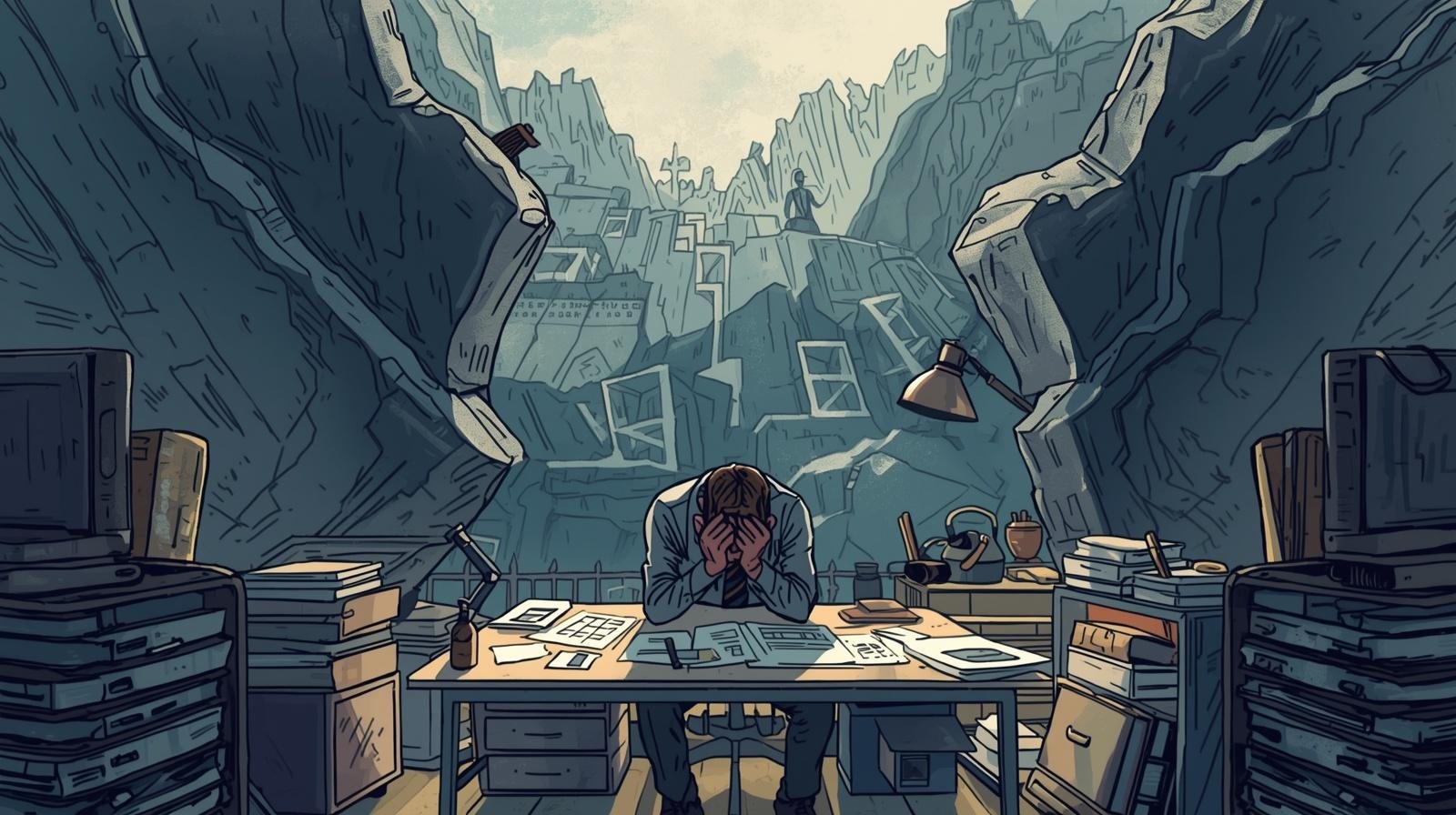
Let’s be honest bootstrapping isn’t easy.
1. Income Fluctuation
Some months were great.
Others weren’t.
2. Doing Everything Alone
- Content writing
- SEO
- Marketing
- Technical setup
3. Mental Pressure
Constant self-doubt:
- Is this working?
- Should I quit?
Phase 7: What Made Me Successful
After trial and error, here’s what worked:
1. Consistency Over Everything
Even when results were slow, I kept going.
2. Deep Focus on SEO
SEO became my biggest growth engine.
3. Building Long-Term Assets
Instead of chasing quick money, I built the following:
- Blog content
- Organic traffic
- Online presence
READ MORE – Why Helping People Became My Purpose as a Businesswoman
3 Real Case Studies from My Journey
A Single Blog Post That Changed Everything
I wrote a bootstrapped-focused SEO article targeting a low-competition keyword.
Result:
- Ranked on Google
- Generated daily traffic
- Earned passive income
Recreating a Dead Bootstrapped Blog
At one point, my blog had zero traction.
What I Did:
- Updated content
- Improved SEO
- Fixed structure
Result:
Traffic started growing again within weeks.
First AdSense Income from a Bootstrapped Blog
It took months to earn my first payout.
What Changed:
- Better keyword targeting
- Consistent publishing
- Improved user experience
Result:
Reached AdSense threshold and validated the model.
Tools I Used for My Bootstrapped Business
| Tool | Purpose |
|---|---|
| Google Keyword Planner | Keyword research |
| Google Search Console | Traffic tracking |
| WordPress | Blogging platform |
| Grammarly | Content quality |
Key Lessons from My Bootstrapped Journey
If I could restart, I would:
- Focus on one niche
- Learn SEO earlier
- Avoid shortcuts
- Build an email list from day one
Is Bootstrapping Still Worth It in 2026?
Absolutely—but only if done right.
It works if you:
- Stay consistent
- Focus on value
- Think long-term
It fails if you:
- Chase quick money
- Quit early
- Ignore SEO
How You Can Start (Beginner Guide)
If you’re serious about going from zero to founder, let me be honest with you—it’s not about doing everything at once.
It’s about starting smart and staying consistent.
When I began, I didn’t have a perfect plan.
I didn’t know exactly where things would go,
But I made one decision: to start with something practical and build from there and if you’re wondering where you should begin, here’s a simple, proven path:
👉 1. Start by Learning SEO Content Writing
This is one of the most valuable skills you can build today.
Why?
Because every business—like create a blog, e-commerce store, or service—needs content that brings traffic.
SEO content writing helps you:
- Attract organic visitors from search engines
- Build authority in your niche
- Create long-term income opportunities (blogs, affiliate marketing, freelancing)
💡 My experience: Learning SEO didn’t just help me write better—it helped me understand how people search, think, and make decisions online.
That changed everything.
Action step: Start by writing simple blog posts around topics you’re interested in.
Don’t aim for perfection—aim is to have discipline, patience and to be productive.
👉 2. Pick a Niche and Launch Your First Blog
This is where most people overthink. They try to choose the “perfect” niche. But here’s the truth:
👉 You don’t need a perfect niche—you need a starting point.
Choose something that:
- You’re interested in
- Has demand (people are searching for it)
- You’re willing to learn more about
Examples:
- Online earning
- Personal development
- Fitness or health
- Career growth
💡 My lesson: I didn’t start with a perfect niche. I started with what I knew and refined it over time.
Action step:
- Choose your niche
- Set up a simple blog (even a free platform works to start)
- Publish your first 3–5 articles
👉 3. Stay Consistent for at Least 90 Days
This is where most people quit—and where real growth actually begins.
In the first few weeks:
- You may not see traffic
- You may not earn anything
- You may feel unsure
That’s normal.
But if you stay consistent:
- Your writing improves
- Your ideas become clearer
- Your content starts ranking
- Opportunities begin to appear
💡 What I learned: Results didn’t come immediately. But after consistent effort, things started to shift—slowly at first, then faster than I expected.
Action step:
- Commit to posting regularly (1–2 times per week)
- Track your progress
- Improve with each post
Final Thoughts

Looking back, I realize something important:
The goal was never just to build a business.
The real goal was growth.
- Personal growth.
- Skill growth.
- Mindset growth.
Because in the end:
The person you become matters more than the business you build.
READ MORE – How to Build a Personal Brand on LinkedIn (Step-by-Step Guide)
This journey is not about overnight success.
It’s about building something real.
👉 You won’t need perfect skills
👉 You won’t need big money
👉 You won’t need everything figured out
You just need:
- A starting point
- A willingness to learn
- And the discipline to continue
Your Next Step
If you’ve read this far, don’t just close the tab and move on.
👉 Write your first idea
👉 Choose your niche
👉 Take your first step today
Because the truth is simple:
The people who succeed are not the ones who know everything…
They are the ones who start—and keep going.
Conclusion: Your Story Starts Now
Everyone starts somewhere.
Some start with money.
Some start with connections.
And some… start from zero.
If you’re one of them, remember:
Starting from zero is not a disadvantage—it’s your foundation.
Because when you build from nothing, you understand everything.
And that’s what turns beginners into founders.
Want to Learn Blogging Step-by-Step?
Are you building a bootstrapped business or just starting from zero?
If You Want to Start Your Own Blog the Right Way?
Learn how to build, grow, and improve your blog step by step with this beginner-friendly course 💻✨
👉 https://www.udemy.com/course/blogging-for-beginners-start-grow-and-monetize-sinhala/
📌 In this course you’ll learn:
✔️ How to start a blog from scratch
✔️ How to grow your audience
✔️ Basic ways to understand blog monetization
Start learning today and take your first step into blogging!
Thank you so much for reading! Share your opinions and perspectives in the comments below to increase the visibility of this article. Subscribe to She Speaks Business to get more stories like this one.
Best regards,
Fatima K.
Writer. Mother. Dream Builder. Founder.