There was a time when I believed business success followed a simple formula:
Work harder than everyone else.
Stay consistent.
Results will come.
And for a while, it did.
I followed routines.
I stayed disciplined.
I pushed through long days, believing effort alone would guarantee growth.
But then something unexpected happened.
The market changed.
Suddenly:
- Customers became more selective
- Competition became global
- Trends shifted faster than ever
What worked last year stopped working this year.
And that’s when I realized something that changed everything:
Business success in 2026 is not about working harder—it’s about working smarter and adapting faster.
That realization forced me to rethink everything.
I started studying market trends, observing successful businesses, testing strategies, failing, adjusting—and slowly, understanding what actually works.
This guide is not theory.
It’s built on real observations, lessons, and practical strategies that help businesses not just survive but grow in today’s fast-changing world.
If you’re looking for fresh and profitable business opportunities, this article will guide you to 12 unique business ideas that can help you capitalize on market trends and consumer demand.
Why Unique Business Opportunities Matter

In a highly competitive business environment, standing out requires more than just a good idea.
Yeah, and it seriously pays off sometimes.
Unique business opportunities offer the following:
- Higher profit margins—niche businesses can command premium pricing.
- Scalability—Many unique businesses can grow into large-scale enterprises.
- Increased customer demand—consumers are always looking for innovative solutions.
Now, let’s explore 12 in demand skills to find unique business opportunities you can start today!
1. Adapt Quickly to Market Changes
The Lesson That Hit Me First
The market does not wait.
It does not slow down for anyone.
One of the biggest mistakes I made early on was holding onto strategies that “used to work.”
But the truth is:
What worked yesterday may not work today.
Why Adaptability Matters in 2026
In today’s environment:
- Trends change rapidly
- Customer preferences evolve
- Technology disrupts industries
Businesses that resist change fall behind.
Practical Strategy
- Follow industry trends weekly
- Analyze competitors regularly
- Be ready to pivot quickly
Real Insight
Adaptability is no longer optional—it is survival.
2. Focus on Customer Experience
The Shift I Didn’t Expect
I used to think customers only cared about price or product quality.
But I was wrong.
Customers care about how they feel.
The New Reality
People remember:
- How you respond
- How you treat them
- How easy you make their experience
Practical Strategy
- Respond quickly to inquiries
- Personalize communication
- Collect and act on feedback
Key Takeaway
A great product attracts customers. A great experience keeps them.
3. Build a Strong Online Presence
The Turning Point
There was a moment when I realized something shocking:
If people can’t find you online, you don’t exist to them.
Why It Matters
Today, before customers:
- Buy
- Trust
- Connect
They search.
Practical Strategy
- Create a website or blog
- Stay active on social platforms
- Share consistent content
Reality Check
Your online presence is your digital identity.
4. Leverage Digital Marketing
From Traditional to Digital
I once relied on word-of-mouth and offline strategies.
But digital marketing changed everything.
Why It Works
Digital marketing allows:
- Targeted reach
- Measurable results
- Scalable growth
Practical Strategy
- Use SEO for organic traffic
- Run targeted ads
- Build email marketing systems
Key Insight
Marketing is no longer optional—it is the engine of growth.
5. Invest in Skill Development
The Hard Truth
The market rewards those who grow.
If you don’t upgrade your skills, you fall behind.
What I Learned
Growth doesn’t come from doing the same thing repeatedly.
It comes from learning.
Practical Strategy
- Learn one new skill every quarter
- Stay updated with industry tools
- Practice consistently
Mindset Shift
Your skills determine your income potential.
6. Diversify Income Streams
The Wake-Up Call
There was a time when I depended on one income source.
When it slowed down, everything felt unstable.
Why Diversification Matters
Relying on one stream is risky.
Practical Strategy
- Offer multiple services
- Create digital products
- Explore passive income options
Key Lesson
Multiple streams create financial security.
7. Use Data to Make Decisions
The Mistake I Made
I used to rely on assumptions.
But assumptions are dangerous.
The Power of Data
Data shows:
- What works
- What doesn’t
- Where to improve
Practical Strategy
- Track website analytics
- Monitor customer behavior
- Measure campaign performance
Truth
Data removes guesswork.
8. Build a Personal Brand
The Shift That Changed Everything
People trust people—not just businesses.
When I started showing up personally, things changed.
Why Personal Branding Works
It builds:
- Trust
- Credibility
- Connection
Practical Strategy
- Share your story
- Provide value
- Stay authentic
Key Insight
Your brand is your reputation.
9. Embrace Innovation and Technology
The Reality
Technology is not the future—it is the present.
What I Observed
Businesses that adopt technology grow faster.
Practical Strategy
- Use automation tools
- Explore AI solutions
- Improve efficiency
Lesson
Innovation creates advantage.
10. Strengthen Networking and Relationships
The Realization
Growth is not just about what you know.
It’s about who you connect with.
Why Networking Matters
Opportunities come from relationships.
Practical Strategy
- Build genuine connections
- Engage consistently
- Collaborate with others
Key Insight
Relationships accelerate growth.
READ MORE – Start Smart: A Multi-Passionate Businesswoman’s Blueprint for Success
11. Stay Consistent and Patient
The Hardest Lesson
Success is slow.
Many people quit too early.
What I Learned
Consistency beats intensity.
Practical Strategy
- Set daily actions
- Track progress
- Stay committed
Truth
Consistency creates results.
12. Think Long-Term, Not Short-Term
The Biggest Shift
Short-term wins feel good.
But long-term thinking builds success.
Why It Matters
Sustainable growth requires vision.
Practical Strategy
- Set long-term goals
- Build systems
- Focus on value
Final Lesson
Quick wins fade. Long-term strategies build legacies.
The Day I Realized You Don’t Need Big Money to Start

For a long time, I believed something that quietly held me back:
👉 You need a lot of money to start a successful business.
And because of that belief, I stayed stuck longer than I should have.
I would scroll through business ideas, feel excited for a moment… and then immediately shut myself down with one thought:
👉 I can’t afford this.
And just like that, I would move on—without even trying.
But one day, something changed.
Instead of asking myself:
👉 What business needs money?
I asked myself a better question:
👉 What business solves a real problem?
That one shift completely changed how I saw opportunities.
Because I finally understood something simple—but powerful:
👉 The most successful businesses don’t start with money. They start with value.
And in 2026, that truth is even more relevant.
You don’t need huge capital—you need awareness, skills, and the willingness to start small.
12 Unique Business Opportunities in Today’s Market

3. Digital Products Business (Turn Effort into Long-Term Income)

When I first discovered digital products, it completely changed the way I view earning online.
Before, I was stuck in the mindset of trading time for money—freelancing, gigs, or hourly work. While those brought income, I realized there’s a limit: you can only work so many hours.
Digital products, however, let you work once and earn repeatedly.
It’s a shift from active to semi-passive income, and it’s one of the most scalable ways to build online revenue without huge upfront costs.
What You Can Create
The beauty of digital products is how flexible they are. Depending on your skill set, you can start with things like:
- E-books: Share your knowledge on a topic you’re passionate about. Even a 30–50 page guide can be valuable.
- Templates: From business spreadsheets to social media planners, templates save people time and effort.
- Online Courses: Teach something you know well. Start with a short course and expand later.
You don’t need fancy tools or expensive software. A laptop, basic design tools (like Canva), and your expertise are enough to get started.
Why This Works
Here’s why digital products are a smart choice for anyone starting online:
- Low Cost to Start – No inventory, no shipping, no physical store. Just your time and knowledge.
- Scalable Over Time – Sell the same product to hundreds or thousands of people without extra effort.
- Passive Income Potential – Once created and marketed, digital products can continue generating revenue with minimal daily input.
Think of it like planting a tree: the initial effort is upfront, but over time, it bears fruit again and again.
My Personal Experience
When I first created an e-book, I was nervous. Would anyone buy it? Would it actually help people?
The first month, I made only a few sales. But I kept improving the content, refining my marketing, and expanding my reach. Within a few months, the same product generated consistent revenue every month—without me having to create it again.
That’s when I realized: effort put in now can keep paying off later. It’s not instant money, but it’s long-term stability.
Practical Tips to Start Your Digital Product Business
- Choose a topic you know well: Your expertise or experience matters more than perfection.
- Start small: Create one product first, test the market, and improve based on feedback.
- Use accessible tools: Canva, Google Docs, or Teachable for courses are beginner-friendly.
- Market strategically: Share on LinkedIn, social media, or relevant communities.
- Reinvest profits: Upgrade tools, marketing, or create more products for compound growth.
Honest Truth
Digital products are not a get rich quick scheme. They take time, effort, and iteration to build. But here’s the reward: once set up, they become a reliable income stream that can scale far beyond your hourly limits.
From my perspective, this is one of the smartest ways to turn knowledge, skills, and creativity into long-term financial freedom.
Start small, focus on creating value, and watch your effort multiply over time.
4. Print-on-Demand Store (Creative + Low Risk)
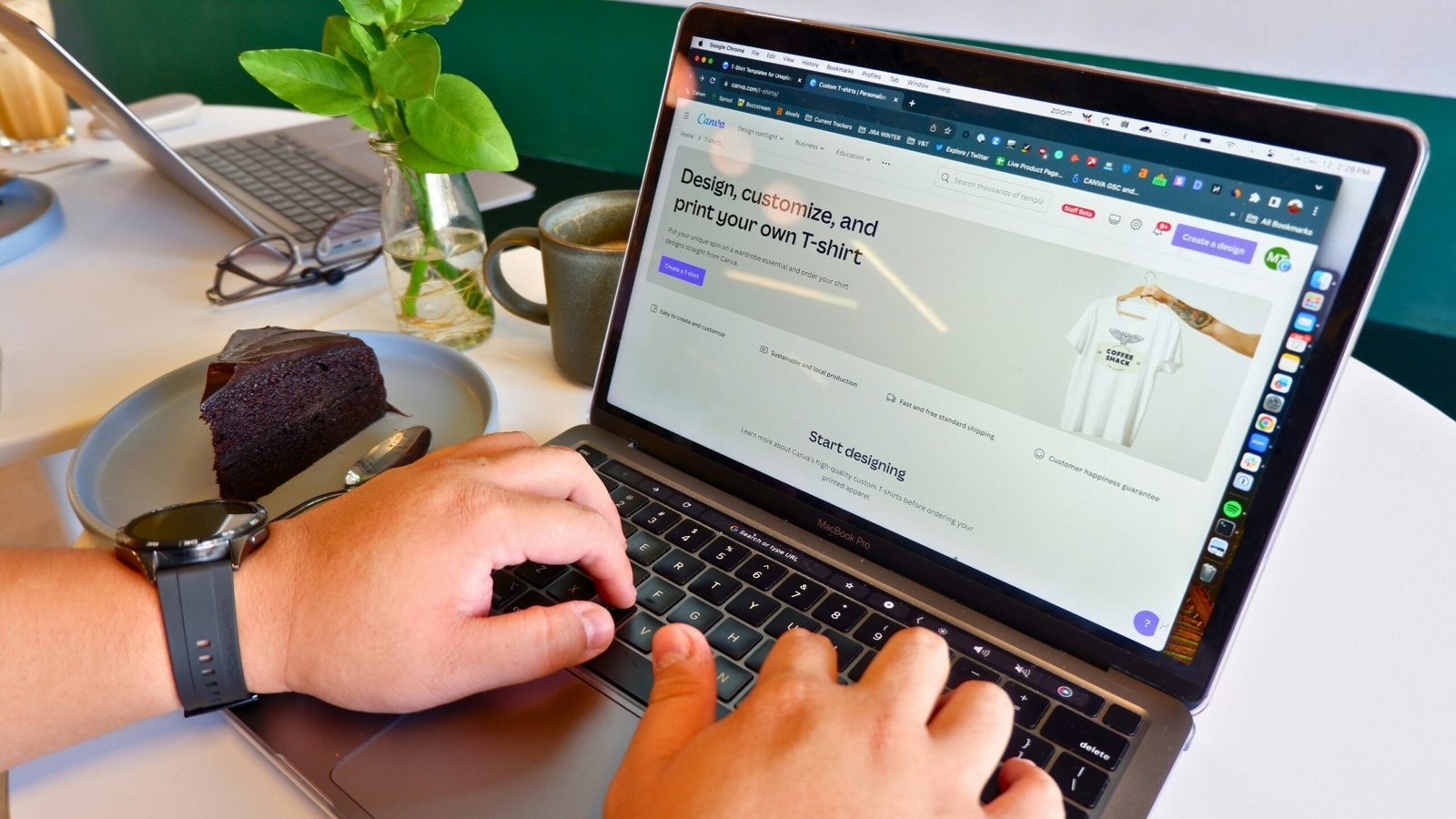
When I first heard about e-commerce, I assumed it required a warehouse, inventory, and tons of upfront money. Honestly, that idea intimidated me so much that I almost gave up before even trying.
Then I discovered print-on-demand (POD) and everything changed.
Print-on-demand allows you to sell physical products without holding inventory. A supplier prints and ships items as soon as someone buys them. You focus on design, branding, and marketing—the parts where creativity and personal effort matter most.
What You Can Offer
With POD, the options are wide open, but the key is to start with a niche.
Some popular ideas include:
- T-shirts & Hoodies: Customize designs for hobbies, professions, or trends.
- Mugs & Drinkware: Create fun, inspirational, or niche-specific designs.
- Posters & Wall Art: Ideal for home offices, kids’ rooms, or motivational spaces.
- Phone Cases & Accessories: Popular among younger audiences and social media communities.
The goal is not to create generic designs. The more specific your niche, the easier it is to reach the right audience and make sales.
Why Print-on-Demand Works
- Low Startup Cost: No need to buy products upfront or invest in storage.
- Creative Freedom: You design the products. Your brand and creativity matter most.
- Flexible & Scalable: Start with a few products and expand based on sales trends.
- Hands-Off Fulfillment: Suppliers handle printing, packaging, and shipping.
Think of POD as a bridge between digital skills and physical products. You don’t need to be a manufacturing expert—just a creative problem solver.
My Personal Experience
I remember the first design I uploaded: a quirky coffee mug with a simple quote. Honestly, I didn’t expect much.
But once I promoted it to a small community online, a few sales came in. It wasn’t massive—but it validated the concept.
I learned:
- People pay for creativity and relevance, not just generic designs.
- Testing small and learning fast beats trying to launch a huge catalog from day one.
- Niches make it easier to stand out. I later focused on fitness-inspired mugs, which sold consistently.
That first success taught me that risk is lower when you start small, but the opportunity for growth is real.
Practical Tips to Start Your Print-on-Demand Store
- Pick a clear niche: Instead of “clothing,” focus on something like “fun yoga shirts” or “coffee lovers mugs.”
- Start with 3–5 designs: Test the market, learn what works, and expand gradually.
- Use beginner-friendly platforms: Printful, Printify, or TeeSpring make setup easy.
- Promote strategically: Social media, communities, or collaborations are better than broad generic ads.
- Iterate based on feedback: Adjust designs, descriptions, and marketing based on what your audience responds to.
Honest Truth
Print-on-demand isn’t a get-rich-quick system.
Success comes from creativity, testing, and consistency but the risk is minimal, the cost is low, and the learning curve is manageable.
From my perspective, POD is the perfect first physical product business for beginners—especially if you want to combine creativity with online income.
READ MORE – 7 Major Differences Between a Small Business and a Startup (2026 Guide)
5. Micro-Niche E-Commerce Store (Compete Smart, Start Small)
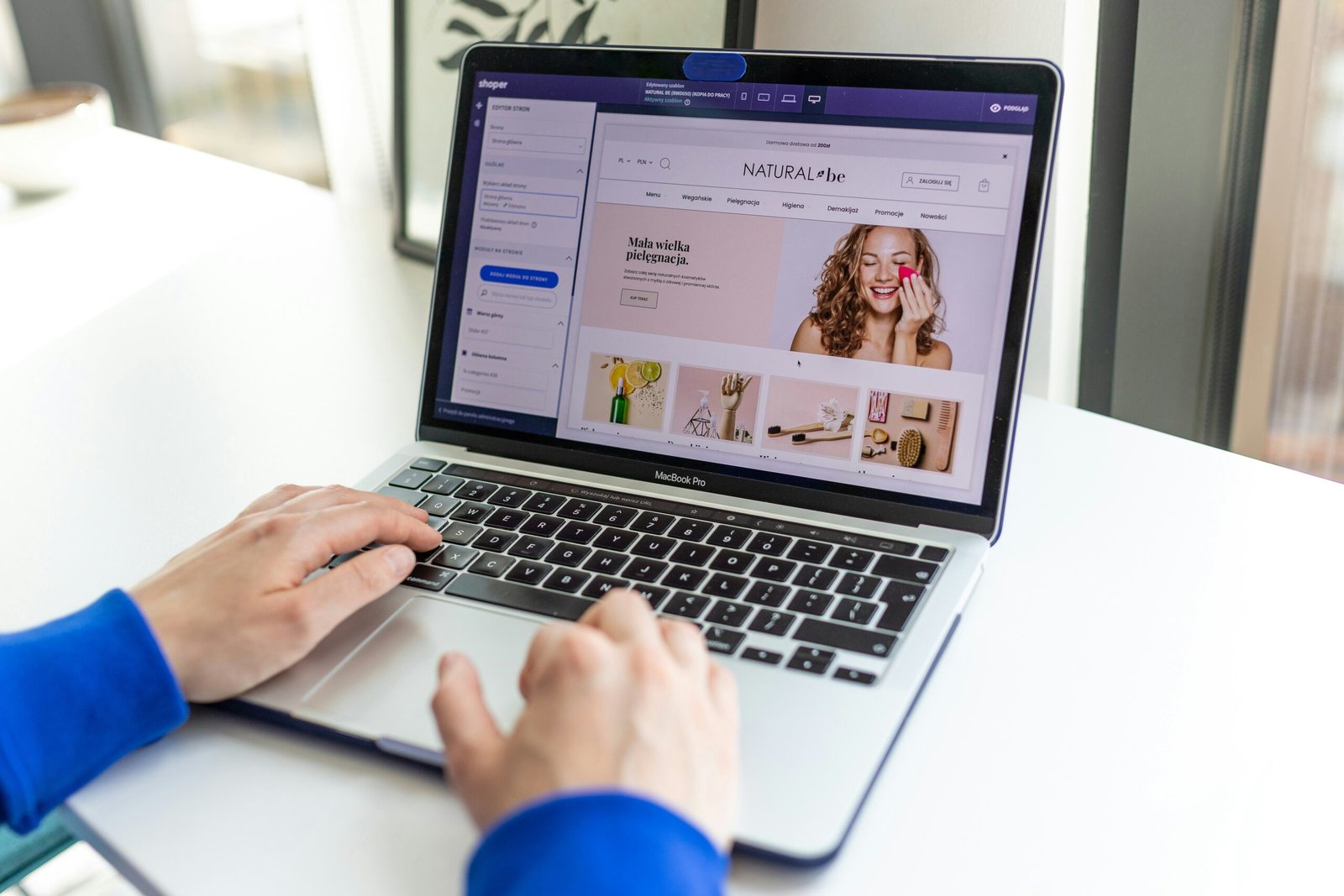
One mistake I see beginners make—and I almost fell into this trap myself—is thinking you need to compete with big brands from day one. I remember scrolling through massive e-commerce sites, seeing endless products, and feeling intimidated.
Then I realized something simple but powerful:
👉 You don’t need to compete with everyone. You just need to serve a very specific audience.
This is the essence of a micro-niche e-commerce store: focus on a small, highly-targeted market where your product solves a specific problem.
Why Micro-Niche Works
- Less Competition: Big brands often ignore micro-niches because the audience seems “too small.” That’s your advantage.
- Targeted Marketing: You can create highly relevant ads and content, which costs less and converts better.
- Stronger Customer Connection: Serving a specific group allows you to understand their needs deeply, increasing loyalty and repeat purchases.
- Easier Product Development: You focus on solving one problem really well, instead of juggling multiple products or categories.
Think of it as: Instead of selling “fitness gear” to everyone, sell “portable resistance bands for busy moms who workout at home.” That’s precise, actionable, and solves a real problem.
Examples of Micro-Niche Stores
- Pet Travel Accessories: Products for pet owners who travel frequently, like foldable bowls, car seat covers, or travel leashes.
- Home Office Tools: Focused items for remote workers, like ergonomic desk organizers, cable management kits, or mini desk gadgets.
- Fitness Gear: Targeted solutions like compact resistance bands, yoga props, or nutrition planners for a specific audience.
- Eco-Friendly Kitchen Products: Reusable food wraps, biodegradable dishware, or sustainable cleaning tools for eco-conscious buyers.
Notice the pattern? Each niche solves a specific problem for a well-defined audience. That’s how small stores win against big competitors.
How I Applied This Strategy
When I started, I tried selling general tech accessories. Honestly, it barely worked. Then I switched to a micro-niche: ergonomic laptop stands for remote workers, and the results were night and day.
- I knew exactly who my customer was.
- My messaging resonated with their daily problems.
- I could focus my ads and social media content precisely.
Within a few months, I had a small but loyal customer base, consistent sales, and much less stress than competing with giant marketplaces.
Practical Steps to Start Your Micro-Niche Store
- Identify a real problem: Think of pain points you experience or see around you.
- Validate demand: Search online forums, social media groups, or marketplaces to see if people are asking for solutions.
- Start with a few products: Don’t overwhelm yourself—test 3–5 items first.
- Build targeted content: Ads, social posts, and product descriptions should speak directly to your niche audience.
- Iterate and expand: Use feedback to refine products and gradually add complementary items.
Key Takeaway
Micro-niche e-commerce is about smart competition, not bigger competition. It’s not flashy, but it works.
From my experience, this approach:
- Reduces startup stress
- Increases early wins
- Builds confidence
- Prepares you for scaling when ready
Instead of chasing every trend, focus on solving one real problem for a specific group.
That’s where sustainable growth begins.
6. Subscription-Based Business (The Secret to Stable, Recurring Income)
When I first heard about subscription-based businesses, I’ll admit—I thought it sounded complicated. “Do people really pay every month for the same thing?” I asked myself.
Then I dug deeper, and the answer became clear: Recurring revenue is one of the most powerful ways to build stability online. Unlike one-time sales, a subscription model gives you predictable cash flow and a chance to grow steadily over time.
Why Subscription Models Work
- Predictable Income: Instead of constantly chasing new customers, you retain existing ones who keep paying.
- Customer Loyalty: Subscribers are more engaged—they feel part of a community.
- Scalable Over Time: Once your system is set up, adding more subscribers doesn’t increase your workload proportionally.
- Flexibility: You can offer digital products, physical boxes, or services, depending on your niche.
The key insight I learned is that value keeps subscribers coming back.
People won’t continue paying if they don’t see benefits. So the focus isn’t just selling—it’s consistently delivering results.
Types of Subscription Businesses
- Digital Memberships: Access to exclusive resources like templates, tutorials, or courses.
- Monthly Boxes: Curated physical products delivered regularly, like snacks, stationery, or wellness items.
- Coaching Subscriptions: Weekly or monthly guidance sessions in fitness, business, or personal development.
- Software as a Service (SaaS): Apps or tools that solve a recurring problem, e.g., project management or social media automation tools.
I personally started with a small digital membership for beginners wanting to learn online marketing. The first month, I only had a handful of subscribers, but the recurring model gave me consistent income and motivation to improve my content every month.
How I Made It Work (Actionable Steps)
- Start Small: Don’t launch with dozens of features or products. Begin with one core offer that solves a specific problem.
- Focus on Value: Ask yourself, “Would I pay for this every month?” If yes, you’re on the right track.
- Engage Subscribers: Regularly check in, ask for feedback, and update content or products based on their needs.
- Automate Where Possible: Use tools for billing, email communication, and content delivery—so growth doesn’t overwhelm you.
- Promote Your Subscription: Use social media, blogs, or email lists to reach people who would benefit most.
Real-Life Perspective
I remember feeling skeptical the first time a subscriber renewed automatically.
I thought, “Did I really just make money while I was sleeping?”
That moment changed my mindset.
I realized: the power of recurring revenue isn’t in instant riches—it’s in stability, predictability, and growth potential.
If you combine a subscription model with excellent customer care, the results compound:
- Small but consistent income grows into a reliable revenue stream
- Subscriber feedback improves your offering over time
- Loyal customers become advocates, bringing new subscribers organically
Key Takeaway
A subscription-based business isn’t just a trendy model—it’s a smart strategy for long-term online success.
👉 My advice: Start small, focus on real value, and prioritize retention over quick wins.
Because when you do, the compounding effect of loyal subscribers can turn a simple online project into a sustainable, profitable business.
7. Social Media Management (High Demand, Low Investment)
When I first explored online work, I underestimated the power of social media for businesses. I thought, “Everyone knows how to post—how hard can it be?”
Then I realized: businesses don’t have time or expertise to manage their social presence consistently.
That’s where social media management comes in. And honestly—it was a game-changer for me.
Why Social Media Management Works
- High Demand: Every brand, small or large, wants to be visible online.
- Low Startup Cost: All you need is a laptop, internet, and a willingness to learn.
- Flexible Skills: You can start managing one platform and expand as you grow.
- Scalable: You can handle multiple clients as your confidence and workflow improve.
The lesson I learned: businesses pay for results, not just posts. Posting randomly isn’t enough—creating value, engagement, and growth is what earns income.
What You Can Offer
- Content Creation: Graphics, captions, videos, or carousels tailored to a client’s brand.
- Scheduling and Posting: Using tools like Canva, Buffer, or Later to maintain consistency.
- Community Engagement: Responding to comments and messages to foster relationships.
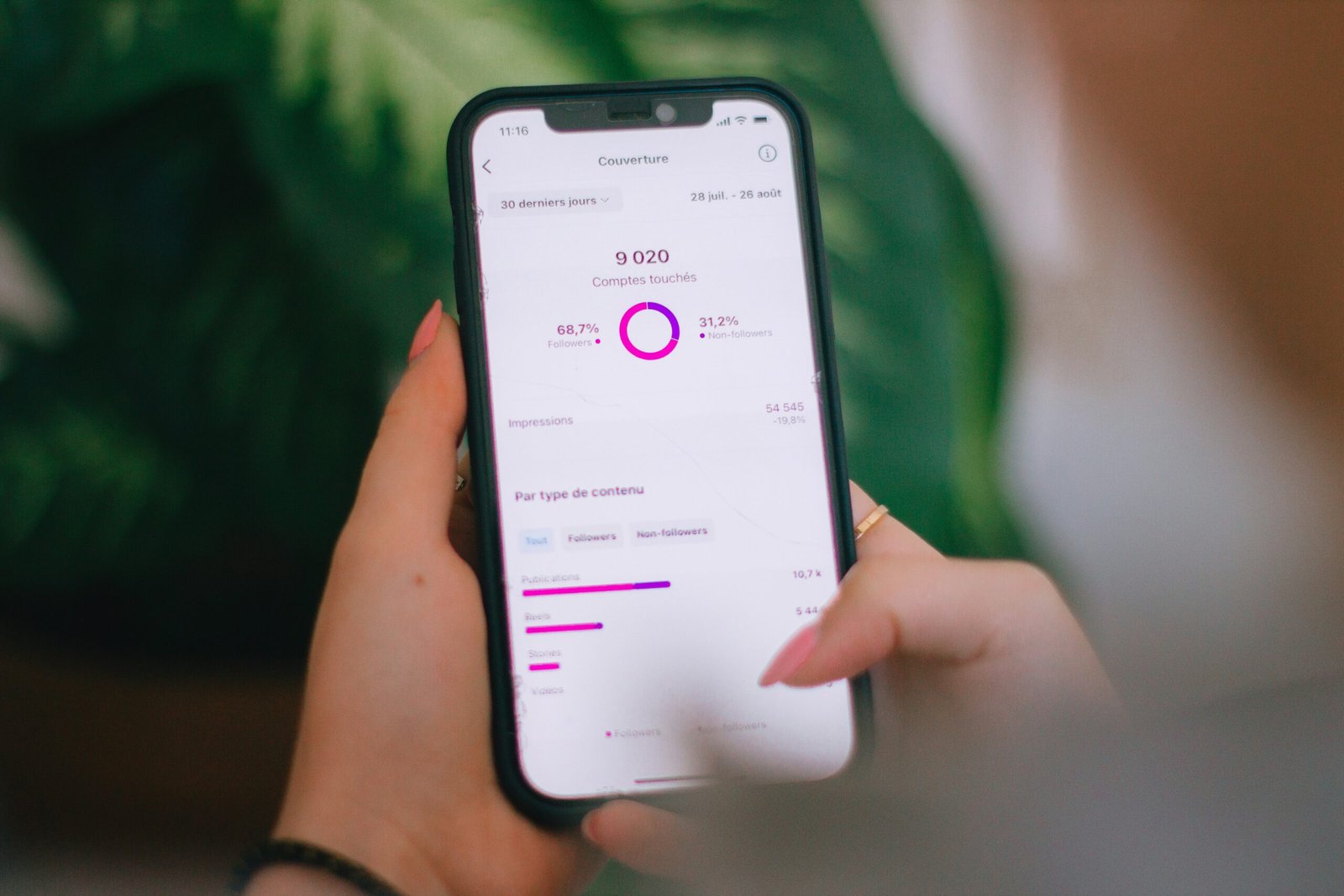
- Analytics and Reporting: Showing clients what’s working and how to improve.
When I started, I took on a small local business as my first client. They didn’t need a big content strategy—just consistent, valuable posting. That small project helped me:
- Understand client expectations
- Build confidence
- Learn tools I now use for larger clients
Actionable Steps to Get Started
- Choose a Niche: Focus on businesses you understand—restaurants, coaching, e-commerce, etc.
- Learn the Basics: Free resources and tutorials can teach you Canva, scheduling tools, and analytics.
- Start Small: Offer to manage a friend’s business or a local brand for experience.
- Set Clear Packages: Decide what you’ll offer and at what price—weekly posts, monthly reports, engagement management.
- Build a Portfolio: Even small results matter—take screenshots and document growth.
- Network and Pitch: Use LinkedIn, Instagram, or local connections to find clients actively.
My Personal Take
The first time a client messaged me, saying:
“Our engagement has doubled in a month—thank you!”
I realized social media management isn’t just about posting—it’s impacting business results.
That small validation boosted my confidence and helped me grow my income steadily.
The biggest lesson?
Start with real value, small clients, and simple services. Over time, your skills, reputation, and client base expand naturally.
Key Takeaway
Social media management is perfect for beginners and seasoned freelancers alike:
👉 Low investment, high demand, and tangible results.
With consistent learning, patience, and actionable strategies, you can turn this into a sustainable online income stream, even while juggling other responsibilities.
8. Online Coaching or Consulting (Turn Knowledge into Income)

When I first considered online work, I didn’t realize that what I already knew could actually earn money.
I thought you needed certifications or years of experience—but that’s not entirely true.
The truth is: if you have valuable knowledge or skills, there’s someone willing to pay to learn from you.
Why Online Coaching or Consulting Works
- High Demand: People always want guidance—whether it’s for business, fitness, career, or life skills.
- Low Startup Cost: A laptop, internet connection, and a way to communicate (Zoom, Google Meet) is enough.
- Flexible Workload: You can choose to coach a few clients per week or scale into group sessions.
- Scalable: Once you gain experience, you can create courses, webinars, or memberships to expand income.
The key insight I learned: you don’t need to know everything—you just need to guide, support, and provide actionable advice.
What You Can Offer
- One-on-One Coaching: Personalized guidance based on your expertise.
- Consulting: Helping businesses solve specific problems or improve processes.
- Group Programs: Conduct workshops or masterclasses for multiple participants.
- Digital Courses: Record lessons once and sell them multiple times.
For example, my first coaching experience was helping a friend set up her online store.
I wasn’t an expert—I was just practically ahead in that small niche.
By guiding her step-by-step, she succeeded, and I gained confidence, testimonials, and real-world experience.
Actionable Steps to Get Started
- Identify Your Expertise: What do people often ask you for help with? What’s your strength?
- Choose a Target Audience: Focus on a niche you can serve effectively.
- Offer Free Sessions First: This helps build experience, confidence, and early testimonials.
- Create a Simple Program or Package: Decide on duration, number of sessions, and pricing.
- Use Online Tools: Zoom, Google Meet, and Calendly can handle sessions and bookings smoothly.
- Market Your Services: Social media, LinkedIn, and word-of-mouth are powerful starting points.
- Collect Feedback and Improve: Every session teaches you something new—adapt and grow your program.
My Personal Take
When I first charged for a coaching session, I was nervous. But the feedback was overwhelming:
“You helped me see solutions I couldn’t find alone.”
That one moment taught me: impact matters more than perfection.
I realized that even small actions—answering questions, giving step-by-step guidance—could create real value and income.
Over time, I expanded into group coaching and small digital courses. Each step increased my reach and my confidence.
Key Takeaway
Online coaching or consulting is perfect for anyone with practical knowledge and a willingness to help.
👉 It’s low-cost, highly impactful, and scalable.
The best part?
You don’t need to be a global expert to start—start with what you know, help someone today, and grow from there.
9. Affiliate Marketing (Earn Without Creating Products)

Affiliate marketing completely changed the way I think about earning online.
When I first started, I assumed you had to create products, handle logistics, or invest a lot of money but the truth is: you can earn by promoting other people’s products and services—without ever touching inventory.
Why Affiliate Marketing Works
- No Product Needed: You don’t have to create, store, or ship anything.
- Low Investment: All you need is a platform (blog, YouTube, social media) and your marketing effort.
- Passive Potential: Once you place links or promote products, sales can happen even when you’re offline.
- Flexibility: You can choose products that align with your interests and audience.
I realized that affiliate marketing isn’t about spamming links—it’s about providing value and recommendations that genuinely help others. That’s the difference between a one-time click and long-term trust.
How to Get Started
- Choose Your Niche: Focus on a topic you know or are passionate about. For example, health, productivity tools, digital marketing, or personal finance.
- Find Affiliate Programs:
- Amazon Associates
- ClickBank
- ShareASale
- Individual company affiliate programs (like Canva, Grammarly, Shopify)
- Create Content Around Your Niche:
- Blog posts reviewing products
- YouTube tutorials or demos
- Social media posts with tips and recommendations
- Insert Affiliate Links Naturally: Make sure links are helpful, not forced.
- Track Your Results: Use analytics to see which products resonate with your audience.
Real-Life Example From My Journey
When I first tried affiliate marketing, I started with a small blog reviewing online tools I used daily.
I wrote honest reviews and included affiliate links.
At first, sales were tiny. I earned just a few dollars a week.
But I stayed consistent:
- Posted tutorials on how to use those tools
- Shared tips on LinkedIn and Instagram
- Answered questions from readers
Within a few months, I started earning $50–$100 per week.
The key lesson: consistency and genuine recommendations matter more than quick promotions.
Actionable Steps You Can Take Today
✔ Pick one niche you are familiar with
✔ Sign up for 1–2 affiliate programs
✔ Create a blog post, YouTube video, or social media post recommending a product
✔ Track clicks and engagement
✔ Adjust your approach based on what your audience responds to
Remember, affiliate marketing is not get-rich-quick.
The more value you provide, the more trust you build—and trust translates into income over time.
My Honest Perspective
Affiliate marketing taught me patience and the importance of helping first, earning second. The beauty of this method is that it scales with your expertise and audience.
👉 Start small. Focus on real value.
👉 Promote products you believe in.
👉 Be consistent, and let the results grow naturally.
Affiliate marketing isn’t just a way to make money—it’s a bridge to build your credibility and authority online while creating a reliable income stream.
10. Virtual Assistance (Simple but Powerful)

Virtual assistance (VA) is one of the most underrated ways to start earning online.
When I first explored this path, I thought it would be too basic or low-paying—but I quickly realized its potential.
The demand for VAs is huge, and it doesn’t require a big upfront investment—just your time, skills, and willingness to learn.
Why Virtual Assistance Works
- Low Startup Cost: You just need a computer, internet connection, and basic software skills.
- High Demand: Entrepreneurs, small businesses, and online coaches need help managing tasks.
- Skill Growth: As a VA, you gain experience in administration, social media, marketing, customer support, and more.
- Flexible Work: You can work part-time, full-time, or on a project basis, depending on your schedule.
I realized that VAs don’t just support businesses—they learn the inner workings of multiple industries while earning.
This can be a stepping stone to more advanced online ventures.
Tasks You Can Do as a VA
- Email management and responding to inquiries
- Scheduling meetings or appointments
- Social media management (posting, responding to comments)
- Data entry and database management
- Customer support via chat or email
- Basic graphic design for posts or presentations
You don’t need to be an expert in all areas.
I started with simple administrative tasks and gradually added social media and email management as I learned.
How to Get Started
- Identify Your Skills: Start with what you’re comfortable with—typing, email handling, social media posting, etc.
- Set Up Your Profile: Platforms like Upwork, Fiverr, and Freelancer allow you to create profiles and offer VA services.
- Start Small: Offer your services for a few hours a week or small projects first.
- Build Testimonials: Ask clients for reviews—these help you get better-paying projects later.
- Expand Your Services: Once comfortable, add skills like basic design, content creation, or scheduling automation.
Real-Life Example From My Experience
When I first tried virtual assistance, I started with simple email and calendar management for a small business owner.
I charged a modest rate because I was new, but I delivered everything efficiently.
Within two months, I gained confidence, learned new tools like Trello and Google Workspace, and increased my rates.
Eventually, I was working with multiple clients, earning steadily, and even learning aspects of social media management that later helped me with my own business ventures.
Actionable Steps You Can Take Today
✔ Make a list of tasks you can confidently do for someone else
✔ Sign up on a freelancing platform and create a clear profile
✔ Offer a small, manageable service to start
✔ Deliver high-quality work and request feedback
✔ Gradually expand your services and increase rates
My Honest Perspective
Virtual assistance is more than just helping someone with tasks.
It’s a gateway to understanding online business operations, building credibility, and gaining real-world skills.
👉 Start with small tasks.
👉 Focus on quality and reliability.
👉 Treat it as a learning journey, not just a paycheck.
By doing so, you don’t just earn—you grow professionally, gain confidence, and open doors for bigger online opportunities.
11. Content Creation (YouTube, Blogging) – The Long-Term Strategy
When I first thought about content creation, I admit—I was intimidated.
Creating videos, writing blogs, or managing social channels seemed like a huge task. But over time, I realized it’s not about perfection—it’s about consistency, value, and learning as you go.
Content creation is one of the most powerful ways to earn online because it combines visibility, authority, and multiple income streams.
The best part?
You don’t need a huge following to start seeing results.
Why Content Creation Works
- Multiple Income Streams: Once your content gains traction, you can earn through:
- Ads (YouTube, website ads)
- Sponsorships
- Affiliate marketing
- Selling your own products or services
- Builds Authority: Sharing your expertise regularly positions you as a trusted voice in your niche.
- Scalable: A single blog post or video can keep generating income and leads months or even years after publishing.
- Low Startup Cost: You can start with a smartphone or basic laptop setup. No fancy studio required initially.
Platforms You Can Use
- YouTube: For tutorials, vlogs, reviews, or educational content
- Blogging: Share knowledge, experiences, or solutions to common problems
- Instagram/TikTok: Short, engaging videos or tips
- Podcasting: Talk about industry topics, interviews, or storytelling
I personally started small with blog posts and simple YouTube videos. I didn’t wait for perfection. I posted what I could, learned from feedback, and improved over time.
How to Start Creating Content Today
- Pick Your Niche: Focus on something you’re knowledgeable or passionate about. I chose online business tips because that’s where I had experience.
- Plan Simple Content: Start with 5–10 topics. They don’t have to be revolutionary—just useful.
- Post Consistently: Even once a week is enough to start building momentum.
- Engage With Your Audience: Respond to comments, ask for feedback, and adapt.
- Repurpose Your Content: Turn blogs into videos, videos into social posts, etc. This saves time and multiplies reach.
Real-Life Example From My Journey
When I began blogging about online earning strategies, my first posts had few readers. I questioned myself constantly. But I kept posting weekly, refining my style, and sharing practical steps I personally tested.
Six months later:
- My blog attracted consistent traffic
- I began monetizing through affiliate links
- People reached out for collaborations and consulting opportunities
The income wasn’t instant, but the growth compounded over time—and so did my confidence.
Actionable Steps You Can Take Today
✔ Choose one platform (YouTube, blog, or social media)
✔ Write or record your first piece of content—keep it practical
✔ Share something you’ve personally tried or learned
✔ Set a simple schedule: 1 post/week
✔ Track engagement and improve with each post
My Honest Perspective
Content creation is not a quick-fix income method.
It’s a long-term strategy that builds credibility, passive income, and opportunities.
👉 Start small.
👉 Focus on value over perfection.
👉 Keep learning from every piece of content you create.
The truth I learned?
The content you post today may not get immediate attention—but months from now, it could open doors you never imagined.
12. Local Service-Based Business – Offline Still Works

When most people think of starting a business today, they immediately jump to online ideas but one truth I discovered early in my journey is that local service-based businesses remain incredibly valuable—and often easier to start than online ventures.
Why?
Because people always need solutions nearby, and they prefer working with someone they can trust in their community.
Unlike digital businesses, you don’t need tech skills, a website, or social media expertise to start—just a skill, service, and determination.
Why Local Service Businesses Work
- Immediate Demand: People need services daily—cleaning, repair, tutoring, deliveries, etc.
- Low Competition in Niches: You don’t need to compete globally—just locally.
- Faster Cash Flow: Unlike online businesses that can take months to monetize, local services can earn cash immediately.
- Personal Relationships Matter: Trust builds loyalty, repeat clients, and word-of-mouth marketing.
I’ve seen people turn simple services into thriving businesses without investing more than a few hundred dollars.
That reality changed how I think about entrepreneurship.
Examples of Local Service-Based Businesses
- Cleaning Services: Residential or office cleaning—simple, always in demand.
- Car Wash or Auto Services: Mobile car washing, detailing, or minor repairs.
- Tutoring & Coaching: Academic subjects, music lessons, language classes.
- Home Improvement & Repairs: Painting, plumbing, carpentry, or gardening.
- Personal Fitness & Wellness: Yoga, personal training, or nutrition coaching.
Even simple ideas like lawn care or pet walking can turn into full-time income if approached professionally.
How to Start Locally
- Identify Your Skill or Service: Choose something you can do well and that solves a problem.
- Check Local Demand: Ask friends, neighbors, or small businesses if they need it.
- Start Small: Offer services to a few clients, get feedback, and refine your approach.
- Build Trust: Be reliable, show results, and ask satisfied clients for referrals.
- Expand Gradually: Increase clients, hire help if needed, or add complementary services.
I personally advised a friend who started a home cleaning service with just $100 for supplies.
Within three months, she had a regular client base and consistent income.
She later expanded to commercial cleaning, doubling her revenue.
Practical Tips to Make It Work
✔ Set clear pricing and packages—clients appreciate transparency
✔ Market locally—flyers, community boards, local Facebook groups work wonders
✔ Deliver quality consistently—word-of-mouth is your strongest marketing
✔ Ask for testimonials—future clients trust peer recommendations
My Perspective
Starting a local service business may feel “small” compared to tech startups—but it is powerful, practical, and rewarding.
👉 You don’t need big money.
👉 You don’t need fancy tech.
👉 You just need a skill, consistency, and commitment.
The truth I’ve learned?
Some of the most sustainable businesses are the ones closest to home.
They provide steady income, flexibility, and confidence—perfect for beginners or anyone wanting to start smart.
READ MORE – 7 Major Differences Between a Small Business and a Startup (2026 Guide)
Final Thought (From My Experience)
Looking back on my journey, one simple truth stands out:
I wasn’t lacking money—I was lacking perspective.
For a long time, I thought that starting a business, creating content, or building a service meant I needed big capital, fancy tools, or perfect timing. That mindset kept me stuck, scrolling through opportunities and feeling overwhelmed.
But everything shifted the moment I asked a different question:
“What value can I provide today with what I already have?”
Once I focused on what I could offer instead of what I lacked, doors started opening.
Small actions—sending a proposal, designing a simple product, reaching out to a client—began to compound into real progress.
The Key Takeaways I Learned
- You don’t need big money to start
Many people wait for the “perfect budget” or “big investment.” But I learned that value and effort matter more than dollars in the bank. Even low-cost ideas like freelancing, microservices, or local service businesses can generate income and experience. - Start with small, manageable steps
You don’t need to launch a massive business immediately. Pick one small action today:
✔ Offer one service
✔ Create one simple digital product
✔ Reach out to one potential client
Each small action builds confidence, skills, and momentum.
- Focus on what you can control
Time, effort, consistency, and attitude are yours to manage. Money, market trends, or competition are external—they’ll always exist. What changes everything is how you use your energy daily. - Consistency compounds over time
The small efforts you make today—writing a post, sending proposals, refining your skills—might feel invisible. But over weeks and months, they create opportunities, income, and growth that surprises even you.
My Honest Perspective
Every successful business I’ve seen—and every success story I’ve been a part of—started with something modest.
A small idea.
A single client.
One simple product.
Nothing grand at first.
And that’s the beauty of starting small: you can experiment, learn, and scale without overwhelming yourself. You can grow sustainably and avoid burnout while building something meaningful.
Your Action Step Today
If you feel stuck or unsure, take this to heart:
✔ Pick one idea you can start now.
✔ Take one small step today—send a message, design a product, or reach out to a client.
✔ Focus on providing value, not waiting for perfect conditions.
Because the truth is: every big success started with a first step.
So don’t wait for money, resources, or “perfect timing.” Start small, stay consistent, and focus on the value you can create.
👉 The business you dream of today?
It can begin right now—with you taking that one small step.
Your Next Move
Here’s the reality I’ve learned from years of experimenting online and building businesses:
The world of business is always changing.
New technologies emerge, markets shift, and opportunities appear where you least expect them but your success doesn’t depend on luck—it depends on your response.
Ask yourself:
Will I stay stuck in old methods, waiting for the “perfect” time or “perfect” resources?
Or will I adapt, learn, and take action today?
Because the truth is simple: in 2026 and beyond, success doesn’t go to the smartest or the strongest—it goes to those who adapt.
Adaptation means:
- Learning continuously – staying aware of trends, tools, and consumer needs.
- Testing small ideas – don’t wait for perfection; small experiments build big results.
- Improving consistently – refine your skills, processes, and offers over time.
- Focusing on value – always think about the real problem you are solving for others.
Think of AI services, freelancing, digital products, or micro-niche businesses. None of these required me to have everything figured out at the start. They required action, curiosity, and a willingness to adapt to feedback and changing demand.
Here’s a practical way to take action today:
✔ Pick one opportunity you can start immediately.
✔ Identify one skill or tool you need to master for it.
✔ Take a single step—create, reach out, or test your idea.
Do this consistently, and you’ll notice the momentum shift.
Opportunities start finding you, networks expand, and growth compounds in ways that feel almost effortless.
Remember: starting small is not a limitation—it’s your advantage.
You can pivot, adjust, and scale without risking everything at once.
So, the question isn’t whether the market is ready.
It’s whether you are ready to take your next move.
Adapt.
Start.
Grow.
Your business—and your future—depends on it.
Frequently Asked Questions (FAQs)
1. What is the most profitable business opportunity in 2026?
Honestly, a few options stand out this year: AI consulting, e-commerce, and digital products. These areas have high demand, low startup costs, and scalable potential.
- AI services: Businesses are looking for help with chatbots, content automation, and workflow optimization. You don’t need to build AI yourself—you just need to understand how to implement it.
- E-commerce: Niche online stores and print-on-demand shops allow you to sell products globally with minimal investment.
- Digital products: Courses, templates, or e-books let you create once and sell repeatedly, generating passive income.
💡 Actionable tip: Start by exploring one of these areas, and see which aligns with your skills and interests. Don’t try to do everything at once—focus on mastering one opportunity first.
2. Do I need a lot of money to start a unique business?
No! One of the biggest misconceptions is that you must have a huge budget to start. In reality:
- Many businesses—like digital downloads, freelance services, or online consulting—can start with almost zero upfront cost.
- Tools and platforms today make it easy to create, market, and sell your services or products without heavy investment.
- Your biggest investment is time, learning, and consistent effort—not money.
💡 Actionable tip: Instead of asking, “What business needs money?” ask, “What business solves a problem?” Solve a real problem for people, and income will follow.
3. How can I find the best business opportunity for me?
The key is self-assessment plus market awareness:
- Identify your skills – What can you do well or enjoy learning?
- Check your interests – Which types of businesses excite you enough to stick with long-term?
- Research demand – Look for problems people are actively trying to solve and willing to pay for.
Once you combine these three factors, you’ll have a clear idea of which opportunity fits you best.
💡 Actionable tip: Make a short list of 2–3 business ideas, test small experiments, and see which one gets traction. Practical testing beats endless planning.
4. Can I start part-time while keeping my current job?
Absolutely! Many successful entrepreneurs started part-time.
- Start small—just a few hours a week—so you can test your ideas without risking financial stability.
- Use evenings or weekends to work on your business and build skills gradually.
- As confidence, skills, and income grow, you can transition to full-time if you wish.
💡 Actionable tip: Set a realistic schedule and stick to it. Even consistent 1–2 hours daily can compound into meaningful results over a few months.
5. How long before I start seeing real results?
It varies. Some people see traction in weeks; others take months.
- The most important factors are consistency, learning from mistakes, and adapting quickly.
- Small wins—like your first client, first sale, or first online interaction—matter more than instant success.
💡 Actionable tip: Track your progress weekly. Celebrate small wins, analyze what works, and adjust what doesn’t. This habit keeps momentum high and prevents burnout.
Have questions? Drop them in the comments below!
Thank you so much for reading! Share your opinions and perspectives in the comments below to increase the visibility of this article. Subscribe to She Speaks Business to get more stories like this one.
Best regards,
Fatima K.
Writer. Mother. Dream Builder. Founder.

