

Personal development isn’t just a nice-to-have. It’s something you need if you want to keep up—and actually enjoy the ride—while life keeps throwing new things your way.
Careers shift, relationships change, expectations seem to climb every year.
If you can keep growing on purpose, you end up with an edge, and honestly, it just feels good to know you’re moving forward.
So, why does personal development matter so much?
It’s not about trying to change your whole life overnight, and it definitely isn’t about pretending everything’s fine when it isn’t.
It’s actually about finding habits you can stick with forever, really getting to know yourself, and making sure what you do lines up with what you care about.
When you put in the work, you start to think sharper, feel more confident, and everything else—your job, your health, your relationships—starts to pick up, too.
This guide keeps things real. You’ll get five main pillars of personal development, see how they fit together, and figure out how to use them without burning out or getting stuck in the weeds. Whether your brand new to this or you’ve been at it for a while, you’ll walk away with a plan, some motivation, and a better sense of where you’re headed.
The trick?
Make personal development intentional and keep it balanced.
These five points all work together—leave one out, and you slow yourself down. But if you focus on all of them, you start to see real, lasting growth.
Self-Awareness: Where Growth Actually Starts

If you want to change, you have to know yourself first. No way around it. Until you get real about who you are and what drives you—your habits, your triggers, what you deeply care about—you’re just guessing your way forward.
For me, self-awareness isn’t just about knowing your favorite color or your Myers-Briggs type. It’s about noticing what sets you off, the stories you tell yourself, the strengths you lean on, and the fears that hold you back. Once you catch yourself in the act, you stop running on autopilot. You start making choices on purpose.
How do you get there?
Reflection works. Journaling, meditating, just sitting with your thoughts—these things help you spot what you usually miss. Feedback matters too. Honest input from people you trust can show you patterns you’re blind to.
Getting good at this doesn’t just help you know yourself. It builds emotional intelligence, too. You handle stress better, you don’t let conflict eat you alive, and you actually get where other people are coming from. You build stronger connections. You make sharper decisions.
But you have to keep checking in. Ask yourself the hard stuff:
– What am I pretending not to see?
– Why did that moment set me off?
– Am I moving from fear, or am I in sync with what matters to me?
Personal growth kicks off the moment you quit hiding from yourself.
Goal Setting: Make It Real
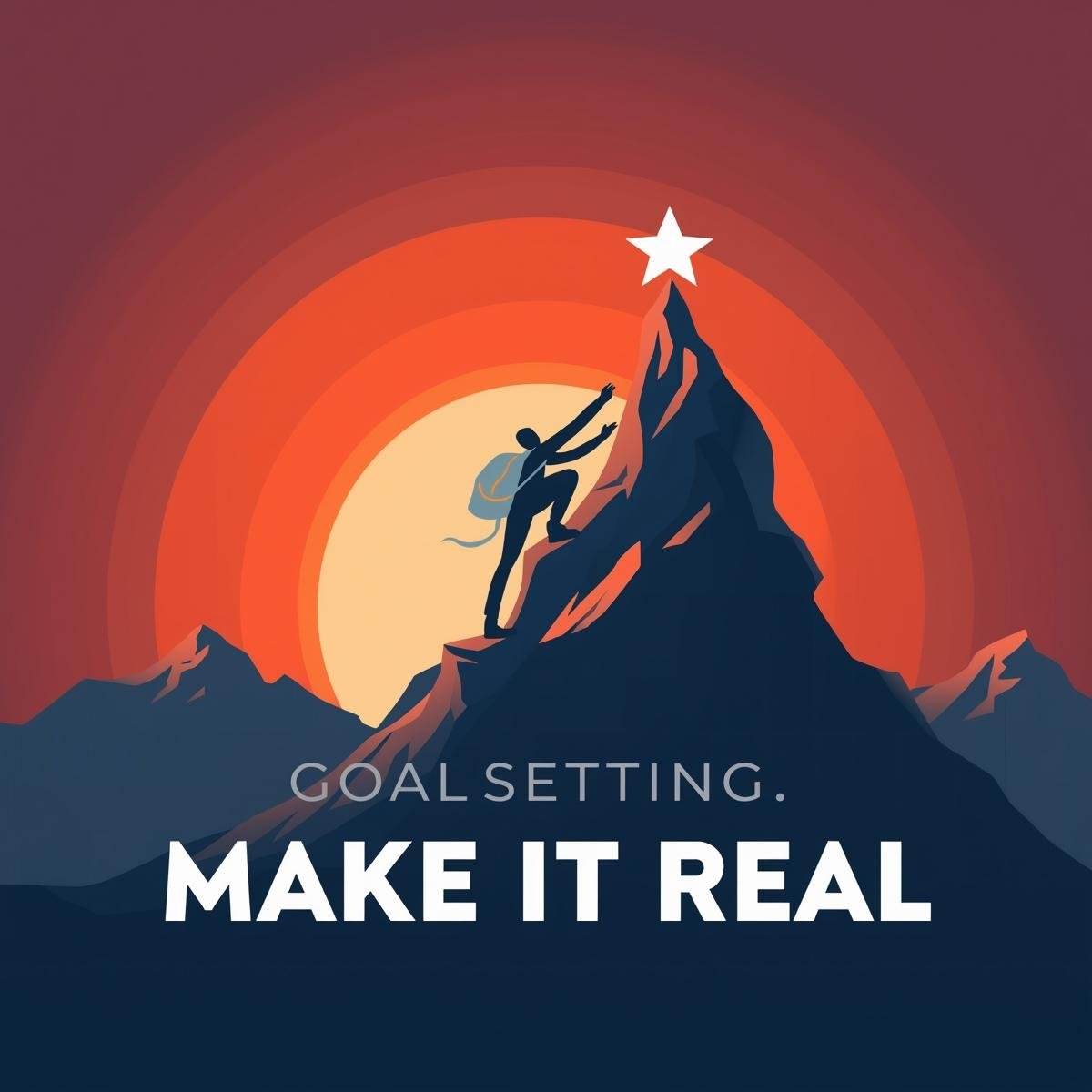
If you don’t know where you’re going, you end up nowhere. Clear goals cut through the noise. They give you something to aim for and a way to track if you’re actually moving or just spinning your wheels.
Good goals don’t just sound impressive. They matter to you. They fit your values and what you want in the long run. You stop chasing trophies that aren’t yours and focus on what feels right.
The SMART framework—specific, measurable, achievable, relevant, time-bound—helps, sure. But honestly, if you don’t care about your goal, you won’t stick with it. The goal has to light a fire under you or it won’t last.
Break big goals down. Small wins add up, and tracking your progress keeps you honest. You see where you’re making moves and where you need to change something.
Don’t get stuck thinking goals are set in stone. Life throws curveballs. You have to know when to double down and when to change direction. Flexibility is part of the process.
When you set the right goals, you stop wishing and start doing.
Skill Development: Turning Potential into Power
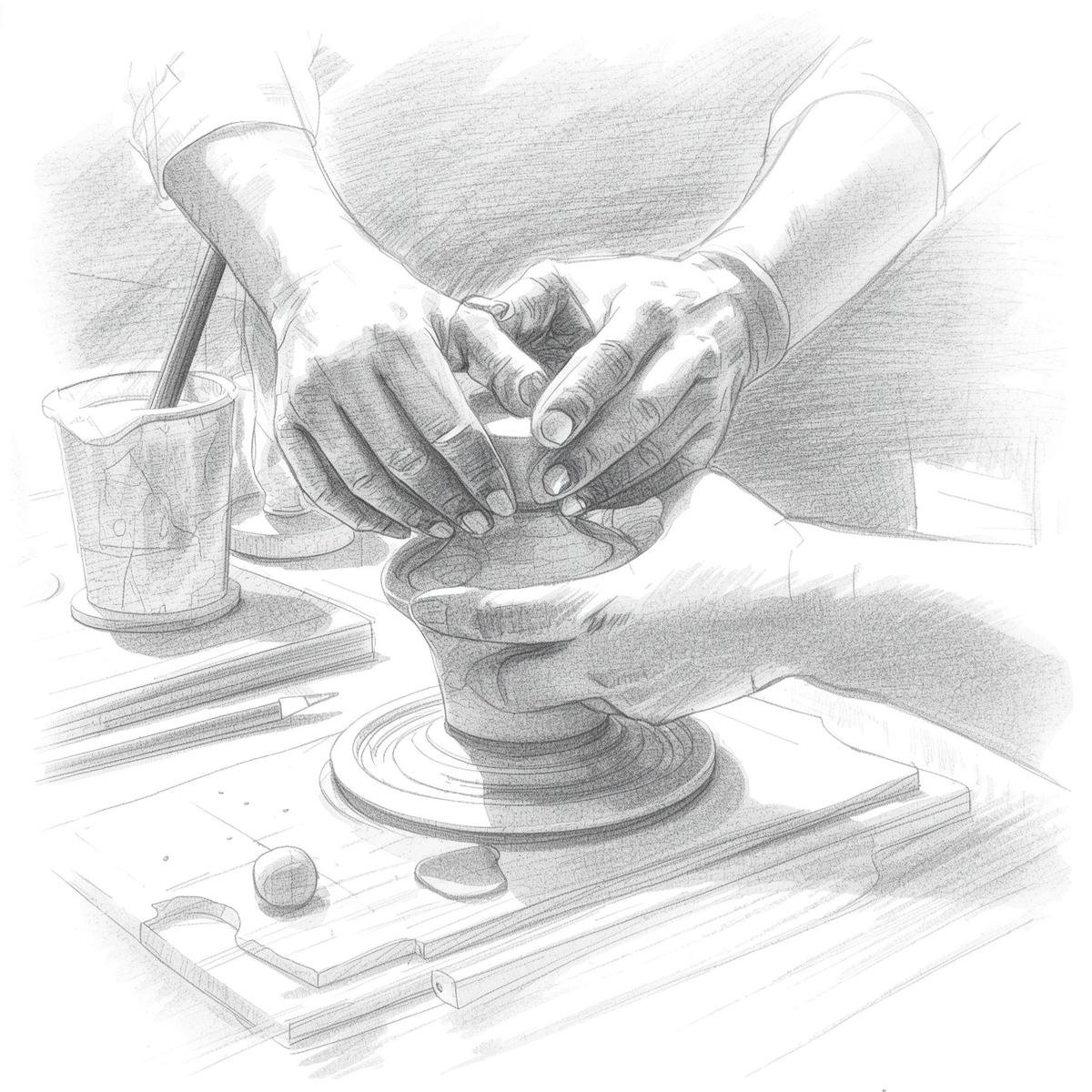
Growth needs action. You build skills, you build confidence—simple as that.
These skills can be anything: leading a team, managing your time, keeping your cool under pressure. What matters is they push you toward who you want to become.
Never stop learning. Read, take classes, find a mentor, try things out. But don’t just collect information. Put it to work. Knowledge without action is just theory—nothing changes.
Learning isn’t always fast. Sometimes it’s frustrating. You mess up, you try again, you get better. That’s how it works. Feedback helps you see what to tweak.
As you add skills, something shifts. You start trusting yourself. Instead of shrinking back from challenges, you get curious. You feel more capable.
Research—even Psychology Today backs this up—shows steady skill-building boosts your motivation and belief in yourself, for the long haul.
READ MORE – Here are 5 Ways Blogging Transformed My Confidence as a Businesswoman.
Mindset Mastery: Upgrade Your Inner Game

How you think shapes what you do, way more than the stuff happening around you. Two people can deal with the same problem and get totally different outcomes, just because their mindset is different.
A growth mindset—the idea that you can get better with effort—keeps you learning and moving forward. A fixed mindset? That’ll box you in. You treat failure like the end of the story instead of just feedback.
Mastering mindset means tuning in to your own thoughts. Negative self-talk, chasing perfection, letting fear make your choices—these things hold you back. Flip the script. Turn those thoughts into something useful.
You also have to get comfortable being uncomfortable. Growth feels awkward, sometimes painful. When you get used to that, you stop letting fear call the shots.
Little things help: daily affirmations, visualizing what you want, practicing gratitude. At some point, you realize you don’t panic when something tough pops up—you just deal with it. That’s when things really start to shift.
Consistency and discipline are what actually drive success.

Sure, talent gives you a head start. But it’s showing up again and again that really moves you forward. Discipline? That’s what takes your ideas and actually makes them happen.
Consistency isn’t about being perfect. It’s about showing up, even when you don’t feel like it. Those small habits, repeated day after day, add up and shape your life in ways you don’t always notice right away.
Building discipline doesn’t mean you have to rely on willpower all the time. Set up routines that fit your goals. Make it easier on yourself—clear the distractions, set your priorities, and shape your space so it works for you.
Accountability helps too. Track what you’re doing, share your goals with someone, or work with a coach. Having someone or something to answer to keeps you on track.
When you stick to your promises, you start to trust yourself more. That’s how discipline slowly becomes part of who you are—not just something you do, but who you become.
Emotional Intelligence: Strengthening Inner and Outer Relationships

Emotional intelligence ties self-awareness to how well you get along with others. It’s being able to understand your own feelings and handle them in a way that helps—both for you and for the people around you.
People with high emotional intelligence communicate better. They handle tough conversations, lead with empathy, and stay calm in the middle of conflict. They actually listen.
It also helps you manage your own reactions. Instead of just pushing feelings away, you learn to work through them. That means less stress and better mental health.
This takes practice. Pause before you react, name what you’re feeling, and try to understand before you try to control anything.
Emotional intelligence isn’t just another skill—it makes every other skill stronger.

You can’t get time back. Once it’s gone, that’s it. So learning to use it well is key if you want to grow long-term.
Start by getting clear on what actually matters to you. Cut out the stuff that doesn’t fit those priorities. Productivity isn’t about cramming more into your day—it’s about doing the things that actually move you forward.
Try things like time blocking, batching similar tasks, and setting boundaries to protect your focus. And don’t forget to rest. Burnout knocks you off course faster than you’d think.
When you take charge of your time, you make room for learning, reflection, and the things that really matter.
Habit Formation: Automating Success

Habits turn hard work into second nature. When you make something automatic, progress gets a whole lot easier.
It’s not about going big. Real habits stick when you start small and stay steady. Link new habits to things you already do and celebrate each step.
Focus on the kind of person you want to become, not just the outcomes. Changing your identity shapes your habits, and that’s how you get lasting change.
If you want to break a bad habit, notice what triggers it and swap in something healthier. You don’t need to punish yourself—just make different choices.
When you master your habits, you’re really mastering your everyday life.
READ MORE – What I Learned From My First Freelance Work Experience
Purpose and Values: Aligning Growth with Meaning

Growth without purpose feels empty. Your values give you direction and make all that effort matter.
When you know what you stand for, it’s easier to make decisions, set boundaries, and keep your goals in check. When your actions line up with your values, staying motivated feels more natural.
Purpose doesn’t have to be some huge, world-changing thing. It just needs to be real. Growth driven by meaning actually lasts.
Check in with your values now and then. As you grow, they might change—and that’s a good thing.
Adaptability: Thriving in Change

Change comes for everyone. The question is, do you bend with it or break against it?
People who adapt stay curious and flexible. They learn from what goes wrong and switch things up without losing their drive.
To build adaptability, stay humble. Keep learning and let go of the need to control everything. Progress matters more than having things go exactly how you planned.
If you want to grow for the long haul, adaptability keeps you in the game.
Most Asked Questions About Personal Development
What are the five key points of personal development?
Self-awareness, goal setting, skill development, mindset mastery, and staying consistent with discipline.
How long does personal development take?
It never really ends. You can see change in weeks, but real mastery takes years.
Can personal development improve career success?
Definitely. It boosts your leadership, communication, adaptability, and confidence—all the stuff that moves your career forward.
Is personal development expensive?
Not at all. Some of the best tools—like journaling, reading, reflecting, and free courses—cost nothing.
How do I stay motivated during setbacks?
Focus on what’s getting better, not on being perfect. Remind yourself why you started and tweak your approach instead of giving up.
Can personal development improve relationships?
Absolutely. Building emotional intelligence and self-awareness makes your communication and empathy stronger. That helps every relationship.
Becoming the Architect of Your Own Growth

Mastering personal development is not about fixing yourself—it’s about honoring your potential. When you understand How to Master the 5 Key Points of Personal Development, growth becomes intentional, balanced, and deeply rewarding.
Each pillar builds on the other, creating a system that supports lifelong improvement.
Start small, stay consistent, and remain curious. Personal development isn’t a destination—it’s a way of living with purpose, resilience, and confidence.
Your growth is your responsibility—and your greatest opportunity.
Have questions? Drop them in the comments below!
Thank you so much for reading! Share your opinions and perspectives in the comments below to increase the visibility of this article. Subscribe to She Speaks Business to get more stories like this one.
Best regards,
Fatima K.
Writer. Mother. Dream Builder. Founder.
© 2025 She Speaks Business · Published by FK · All Rights Reserved.